Why a High Quality Storm Door Is One of the Smartest Upgrades for Your Home
A high quality storm door is one of the most effective ways to protect your entryway, improve energy efficiency, and boost curb appeal – all at once. Before diving into the full guide, here’s a quick snapshot of what separates the best options from the rest:
Top high quality storm door options at a glance:
| Feature | What to Look For |
|---|---|
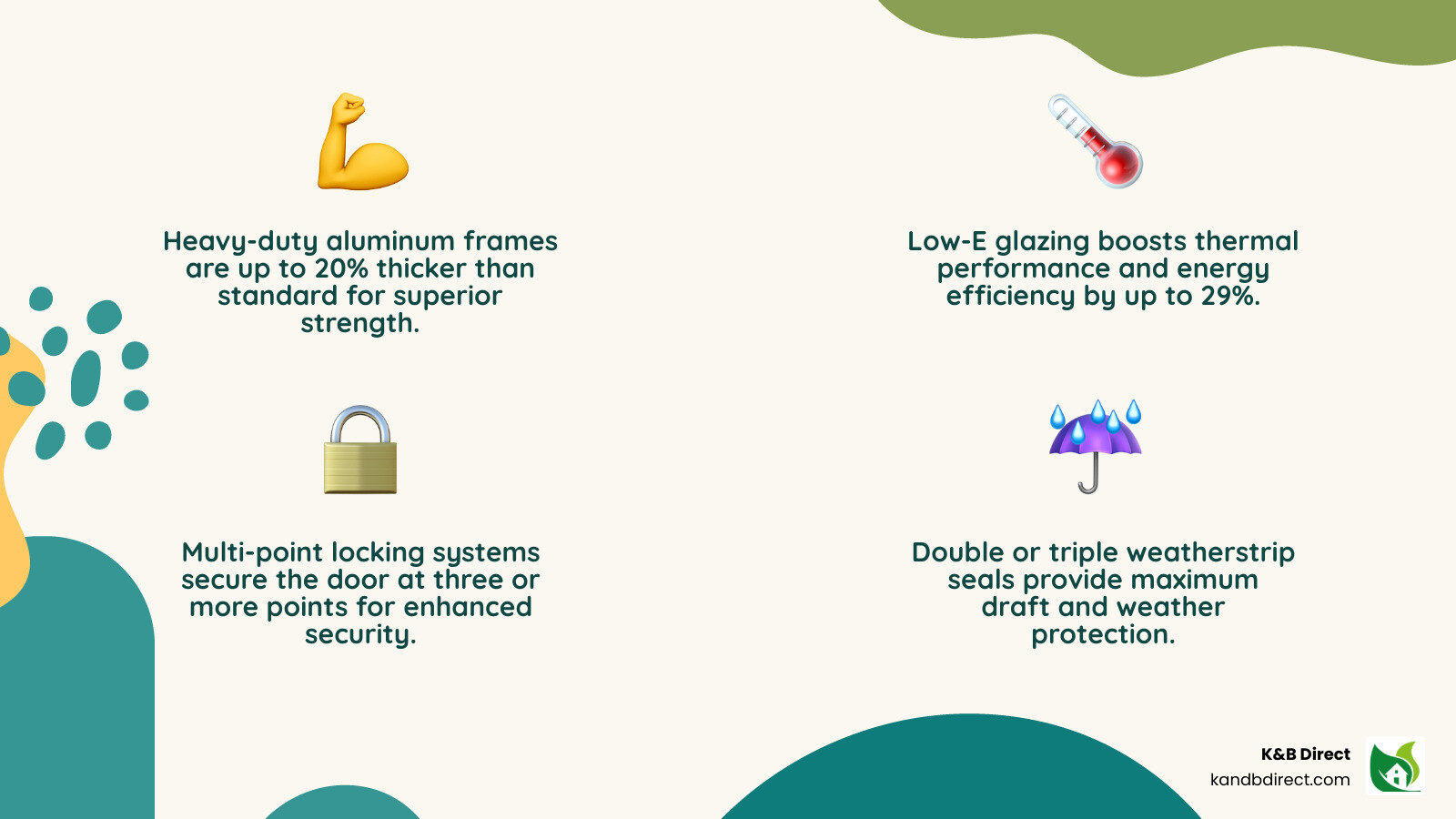
| Frame material | Heavy-duty aluminum, up to 20% thicker than industry standard |
| Weatherstripping | Double or triple seal for maximum draft protection |
| Locking system | Multi-point locking secured at three or more points |
| Wind resistance | Tested at 25 mph steady wind for draft protection |
| Thermal performance | Low-E glazing for up to 29% better energy efficiency |
| Durability | Tempered panels, reinforced corners, commercial-grade closers |
Your front entryway takes a beating – rain, wind, UV exposure, and daily wear add up fast. A standard door alone often isn’t enough. That’s where a storm door earns its keep: it creates an insulating air pocket between your main door and the outside world, adds a security barrier, and extends the life of your entry door significantly. According to ENERGY STAR, high-performance glazing can significantly reduce heat transfer.
The best models from leading manufacturers don’t just protect – they’re engineered with features like magnetic latching technology, reinforced multi-hollow frames, and interchangeable panel systems that make them genuinely easy to live with, season after season.
I’m Eryk Piatkowski, owner of K&B Direct, and with over a decade of helping homeowners select quality building products – including high quality storm doors – I’ve seen what separates a door that lasts from one that disappoints. In the sections ahead, we’ll break down exactly what to look for so you can make a confident, informed choice.
High quality storm door word list:
Defining the High Quality Storm Door
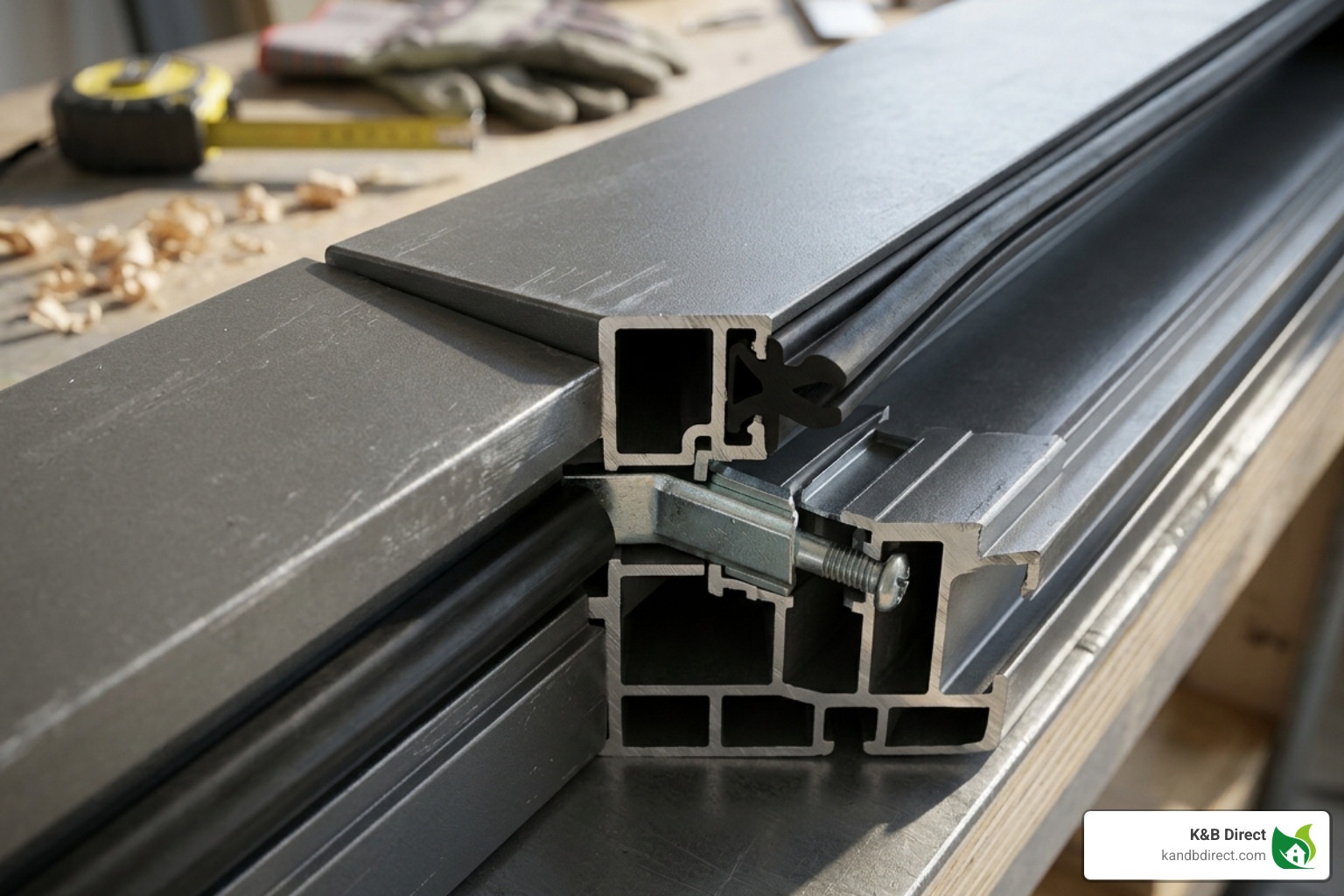
When we talk about a high quality storm door, we aren’t just referring to something that looks nice. We are looking at the engineering under the hood. In the Chicagoland area, from Glen Ellyn to Arlington Heights, our doors face everything from humid summers to freezing lake-effect winds. A flimsy door simply won’t cut it.
The gold standard for a high quality storm door is often found in its frame construction. Premium manufacturers utilize aluminum wall thickness that is up to 20% thicker than the industry standard. This extra “meat” in the frame prevents warping and ensures the door remains aligned within the opening for years.
Furthermore, look for multi-hollow construction. This design creates internal chambers within the aluminum frame, significantly increasing structural rigidity and providing better insulation. While standard models might use a simple single-wall frame, a high quality storm door uses these hollows to eliminate rattles and provide a “vault-like” feel when the door closes.
Comparing Materials: Aluminum vs. Steel
While both materials offer protection, they serve different needs. Aluminum is the most popular choice for high-end residential use because it is naturally rust-resistant and lightweight enough for smooth operation while remaining incredibly strong. Steel, often found in “security” style doors, offers immense impact resistance but requires more diligent maintenance to prevent corrosion if the finish is nicked.
| Feature | Premium Aluminum | High-End Steel |
|---|---|---|
| Corrosion Resistance | Excellent (naturally rust-proof) | Good (requires intact coating) |
| Frame Strength | High (with multi-hollow tech) | Very High (impact resistant) |
| Weight | Moderate (easier on hinges) | Heavy (requires robust framing) |
| Customization | Vast color/finish options | Often limited to industrial styles |
For those interested in exploring more about the structural differences, you can find more info about exterior storm doors on our dedicated product page.
Essential Features of Top-Rated Models
What truly separates a top-tier model from a basic one found in a bin? It’s the “small things” that leading brands emphasize. These features ensure that the door doesn’t just sit there—it performs.
- Multi-Point Locking Systems: Standard doors usually have one latch. A high quality storm door, such as those in the Platinum collection, features locks that secure the door at three separate points along the frame. This provides 3x the security and creates a tighter seal against wind.
- Reinforced Corners: The corners are the weakest point of any door. Premium models use heavy-duty gussets or reinforced internal brackets to prevent the door from sagging over time.
- Wind Resistance: Consumer Reports and industry labs test these doors against 25 mph steady winds. A quality door should show minimal airflow seepage, protecting your expensive main entry door from drafts.
- Audible Closure Technology: Features like magnetic technology provide an audible “click” so you know the door is fully latched. No more wondering if the wind is going to catch the door because it didn’t quite catch the strike plate.
- Commercial-Grade Closers: Systems like SmoothControl™ Plus are up to 50% stronger than standard dual closers. They prevent the door from slamming while ensuring it has enough force to latch even against high air pressure.
Performance Metrics for Premium Ventilation and Visibility
A high quality storm door should be versatile. Depending on your home’s orientation in places like Palatine or Schaumburg, you might want maximum light in the winter and maximum breeze in the summer.
- Full-View Visibility: These doors feature a large pane of tempered glazing (which is 5x stronger than regular glazing) to showcase your entry door. High-end versions often include an interchangeable system where you can swap the glazing for a full-length insect mesh in under a minute.
- Retractable Mesh Systems: Often called “hideaway” or Rolscreen® systems, these allow you to pull a mesh down from the top of the door when you want air, and let it disappear into the frame when you want a clear view. It’s the ultimate “set it and forget it” feature.
- Mid-View and High-View Options: These are excellent for high-traffic homes with kids or pets. By having a solid bottom panel (kick plate), the door is more durable against scuffs and provides a sturdy barrier for pets while still allowing light through the top half.
Selecting a High Quality Storm Door for Sun Exposure
If your front door faces South or West, it acts like a giant magnifying glazing. Without the right features, heat can build up between the storm door and your entry door, potentially warping the paint or wood on your expensive main entrance.
To combat this, we highly recommend Low-E glazing. This specialized coating reflects radiant heat back to its source. In the summer, it keeps the heat out; in the winter, it reflects your home’s heat back inside. In fact, Low-E glazing in premium storm doors is 29% more energy efficient than standard glazing.
Additionally, consider frame color. Darker colors like black or bronze absorb more heat. If your entryway gets 8+ hours of direct Illinois sun, a lighter color (like almond or sandtone) or a model with built-in ventilation may be a wiser choice to ensure longevity.
Ensuring a High Quality Storm Door Fit
Even the most expensive door will fail if it isn’t installed with precision. We always tell our customers in Elgin and Des Plaines that measurement is the most critical step.
- Measurement Accuracy: Most standard openings are 32 or 36 inches wide, but “standard” is a loose term in older homes. You need to measure the width at the top, middle, and bottom, and the height on both sides.
- Plumb Alignment: If the frame is off by even 1/8 of an inch, the seals won’t hit the weatherstripping correctly, leading to drafts.
- Threshold Seals: Look for doors with a triple bottom sweep. This ensures that even if your threshold isn’t perfectly level, the flexible fins of the sweep will keep out insects and wind.
Maintenance and Longevity for Exterior Entrances
A high quality storm door is an investment, and like any investment, it needs a little love. Fortunately, premium doors are designed for low maintenance.
- Non-Abrasive Cleaning: Use a mild soap and water solution for the aluminum frame and glazing. Avoid harsh chemicals that can strip the protective UV coating off the paint.
- Hardware Lubrication: Once a year, use a light oil on the hinges and a graphite lubricant for the lock cylinder. This keeps the operation smooth and prevents the “squeak” that often plagues cheaper doors.
- Seasonal Adjustments: Most high-quality closers have a small adjustment screw. As the seasons change from the humid Illinois summers to the dry winters, you may need to turn the screw slightly to maintain the perfect closing speed.
- Component Updates: One of the perks of buying a brand-name door is the availability of replacement parts. If a mesh gets a tear or a handle gets scratched, you can easily find exact matching parts rather than replacing the whole door.
Frequently Asked Questions about Premium Storm Doors
What are the benefits of multi-point locking systems?
Multi-point locks secure the door at the top, middle, and bottom. This doesn’t just provide “vault-like” security against intruders; it also pulls the door tightly against the weatherstripping along the entire height of the frame. This prevents the “bowing” effect that can happen with single-latch doors during high winds.
Why is Low-E glazing important for energy efficiency?
Low-E (low-emissivity) glazing has a microscopic thin coating that reflects infrared and ultraviolet light. This means it deflects the heat-generating rays of the sun while still letting in visible light. It can improve the energy efficiency of your entryway by up to 29%, saving you money on cooling and heating bills.
What wind resistance ratings should a durable door have?
While there isn’t a single universal “rating” like a hurricane door, look for models that have been lab-tested for 25 mph steady wind resistance. This ensures that the door won’t rattle or allow significant drafts into your home. Additionally, features like the SplineLoc® system provide 3x stronger mesh retention, meaning the mesh won’t pop out when the wind catches it.
Conclusion
At K&B Direct, we believe that your home deserves the best protection without breaking the bank. Choosing a high quality storm door is a decision that pays dividends in comfort, security, and reduced energy expenses. Whether you are in Chicago, Naperville, or any of our surrounding service areas, we are here to help you find a door that complements your home’s aesthetics while providing decades of structural protection.
Ready to upgrade your home’s first line of defense? Explore our full range of exterior doors and discover the way we combine unbeatable quality with the friendly, expert service you expect from a local leader. Let us help you realize your dream home aesthetics today!