
The Enduring Appeal of Wood Trim
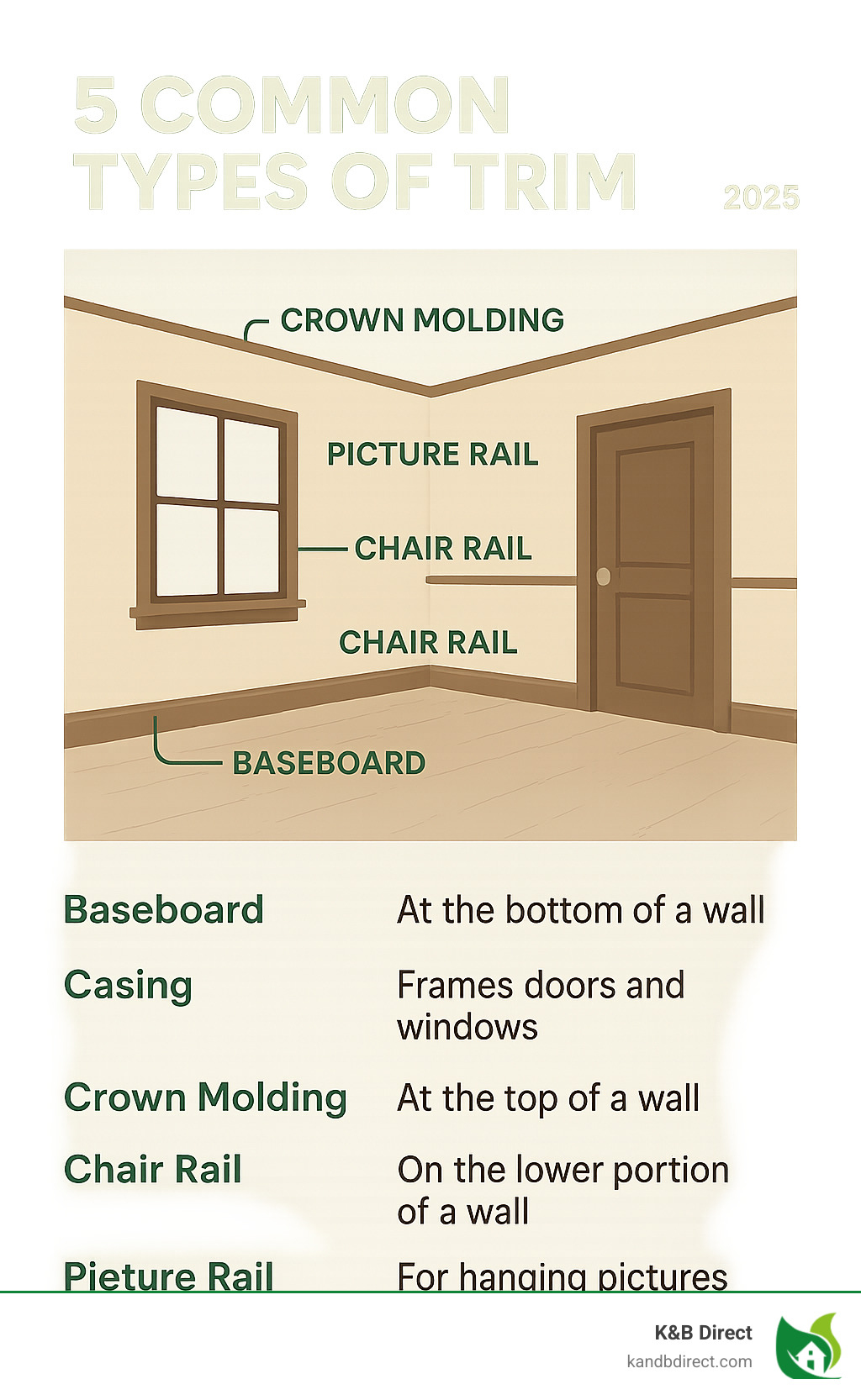
Here’s a quick look at common wood trim types and their uses:
- Baseboards: These run along the bottom of walls, protecting them from damage and hiding gaps where the floor meets the wall.
- Casing: This trim frames doors and windows, giving them a finished, architectural look.
- Crown Molding: Found where walls meet the ceiling, crown molding adds elegance and a sense of height to a room.
- Chair Rail: Installed typically about three feet from the floor, chair rails protect walls from scuffs and bumps caused by furniture.
- Picture Rail: Often seen in older homes, this trim allows you to hang pictures with hooks and wires without putting holes in your walls.
Wood trim is more than just decorative. It ties a room together, giving it a finished, polished look. It also protects your walls from daily wear and tear. From classic baseboards to neat crown molding, trim adds character and depth to any space.
Many homeowners face a big decision: should they paint their existing wood trim or keep its natural look? This choice can greatly affect a room’s feel. There are strong opinions on both sides. Some argue that natural wood adds timeless beauty and shows true craftsmanship. Others prefer the bright, clean look of painted trim.
As Eryk Piatkowski, owner of K&B Direct, I’ve spent over a decade helping homeowners achieve their dream spaces with quality products, including expert guidance on selecting the perfect wood trim. My goal is to share our knowledge, ensuring you find the right solutions for your home’s style and budget.
How to Choose the Perfect Moulding for Your Home
Ready to give your home that perfect finishing touch? Choosing the right moulding, or wood trim, is a big step! It’s not just about making things look pretty. Great trim adds character, protects your walls, and can even boost your home’s value. Think of wood trim as the frame around your favorite painting. It brings everything together and adds lovely architectural detail.
At K&B Direct, we know every detail counts in creating your dream home. We’ll help you pick the best materials and styles. This means finding trim that truly fits your home’s existing decor, its architectural period, and your personal taste. The right wood trim can totally transform a space. It can add warmth, sophistication, or a clean, modern edge. It can even make a room feel larger or more intimate.
What are the best materials for wood trim?
So, you’re wondering which materials are best for wood trim? There are lots of choices, and each one has its own special perks. At K&B Direct, we’re here to help you find that perfect fit, always with top quality and prices you’ll love.
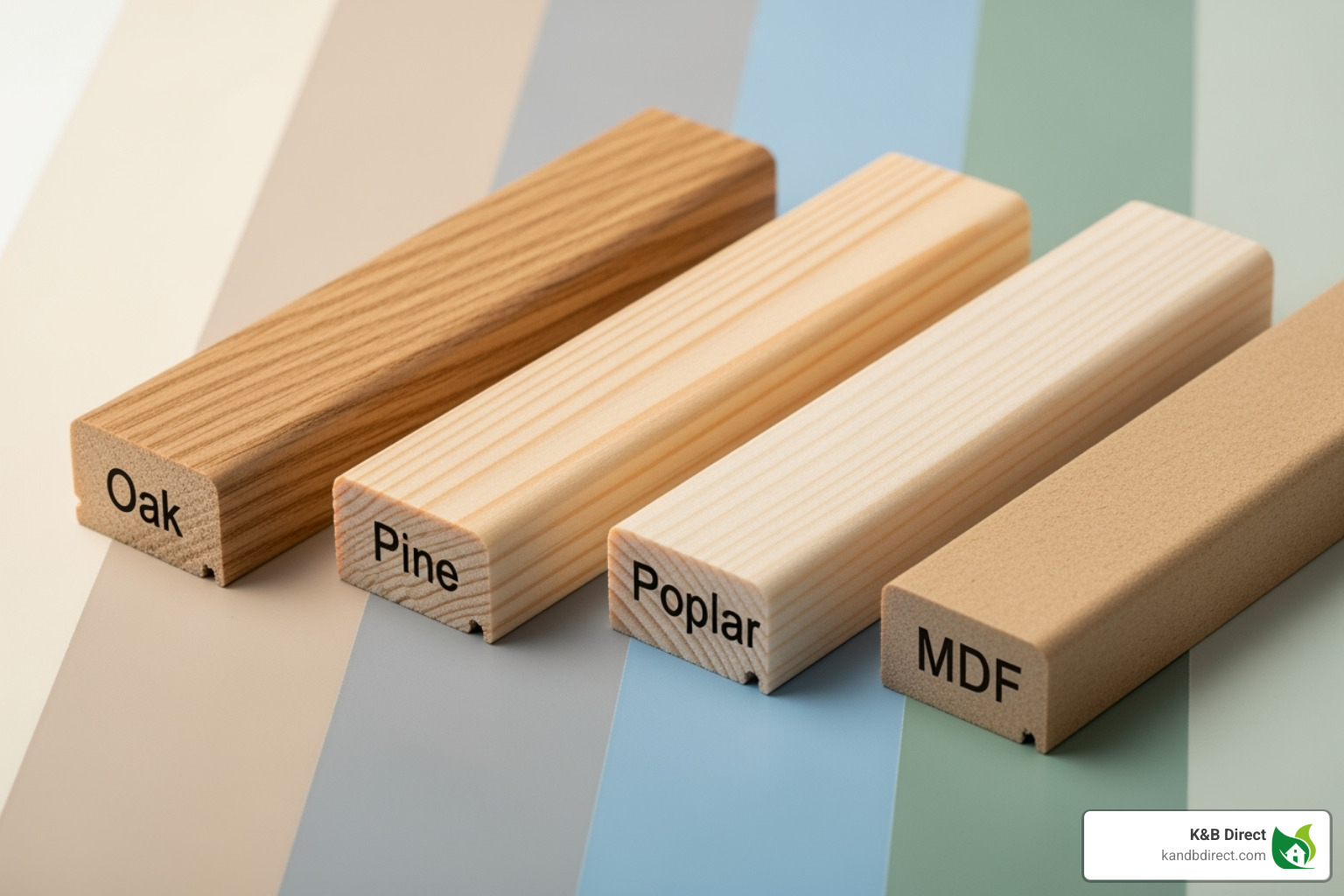
Oak is a true classic. It’s super strong and lasts a long time. You’ll love its clear grain patterns. Oak is perfect if you want a traditional or rustic feel in your home. Staining oak really brings out its natural beauty and adds a warm, inviting touch.
Looking for something budget-friendly and easy to use? Pine is a fantastic choice! It’s very common and simple to work with. Pine takes stain wonderfully, so you can get many different looks. Or, you can paint it for a clean, fresh finish.
Then there’s Poplar. This wood is often chosen when you plan to paint your trim. It has a smooth, even grain that takes paint like a dream, giving you a flawless finish. Poplar is also a good value hardwood and grows quickly, making it an eco-friendly option. While often hidden “behind the scenes” in drawer boxes, it makes for excellent, durable wood trim when painted.
For a lighter, more modern feel, consider Maple. It has a smooth look with a subtle grain. Maple is great because it resists warping, making it a very stable choice. You can stain it for a light, natural look or paint it for a crisp, modern style.
Now, for a smooth and affordable option, especially if you’re painting, there’s MDF (Medium-Density Fiberboard). This engineered material is excellent for painted finishes because it has no grain to show through. Just remember, MDF doesn’t like moisture very much. So, it’s best for rooms where you won’t have a lot of humidity or direct water. You can learn more about MDF here.
Finally, for places that get wet, like bathrooms or outside your home, PVC and composite materials are your best bet. These trims don’t care about moisture or bugs! They offer amazing durability and need very little upkeep. They look just like traditional wood trim but handle the elements much better.
No matter what you’re looking for, K&B Direct has a wide range of options. We’re here to make sure you find the perfect wood trim material for your project. Explore our complete collection of Mouldings & Millwork today!
Matching Trim to Your Interior Design Style
Your wood trim isn’t just a standalone piece; it needs to sing in harmony with your home’s whole design! It’s all about how it fits with your home’s architecture, your wall colors, and even your flooring.
Let’s look at how different styles of wood trim can match your home’s look:
For Craftsman homes, you’ll see strong, squared-off wood trim. The beauty of the natural wood grain itself is key here! It’s usually stained in medium to dark colors, not painted, to really show off that craftsmanship. If you have a Craftsman home, keeping or adding sturdy, natural-finished wood trim will truly keep its original charm. Want to know more about Craftsman style? Click here.
If you love a Modern or Contemporary look, think clean and simple. We suggest trim profiles that are sleek and won’t take away from the open feel of the room. Often, crisp white painted trim creates that clean, uncluttered style. But light, natural wood can also look stunning, adding warmth without being too busy.
For Traditional or Historic homes, you’ll often find more fancy trim. Think older homes like Colonials or Victorians. They often have wider baseboards, detailed crown molding, and ornate door frames. In these homes, the wood trim is a huge part of their character! Keeping or installing trim that matches the home’s history, whether painted or stained, helps keep its true charm alive.
To get that lovely Farmhouse vibe, you’ll want to accept rustic touches. Barnwood style trim, with its weathered look, can add so much charm. It brings a cozy warmth and a sense of history right into your space.
Wall Colors and Flooring Options
When you’re putting your wood trim together with other parts of your room, think about how all the colors and textures will work side-by-side.
Let’s talk about Wall Colors. If you have natural wood trim, warm whites, creamy off-whites, deep greens, and rich blues look amazing! These colors really bring out the warmth of the wood. They create a peaceful background that lets the natural wood shine without any clashing. We do suggest you try to avoid colors with strong yellow or pink undertones. These can sometimes fight with the natural hues in your wood. A little trick: painting walls a neutral color with a hint of green can help calm down any strong yellow tones in your wood trim. And for a bold look, some people even paint their walls black! This really makes the wood trim stand out and “pop”!
Now, onto Flooring Options. Natural wood trim looks absolutely wonderful with hardwood floors. If you have original white oak floors, it’s a perfect match! This creates a classic, unified look that really highlights the beauty of natural materials. If you have carpet, take a peek underneath! You might find beautiful original hardwood floors hiding there. Taking up carpet can truly transform your room and make your wood trim look even better.
The wood trim around your windows also plays a big part in how your room feels. It can really change the whole look! Want to learn more about Window Trim? We’ve got you covered!
A Roundup of Essential Wood Trim Profiles
When you walk into a beautifully finished room, you’re seeing the magic of wood trim at work. Each profile has its own job to do, both practically and visually. Some protect your walls from daily bumps and scrapes, while others frame important features or add that final touch of elegance. Understanding these different profiles helps you create a cohesive look that feels intentional and polished.
The right wood trim can completely transform how a room feels. It might make your ceilings appear higher, your doorways more grand, or simply give everything that “finished” look that makes a house feel like a home.
Baseboard Trim
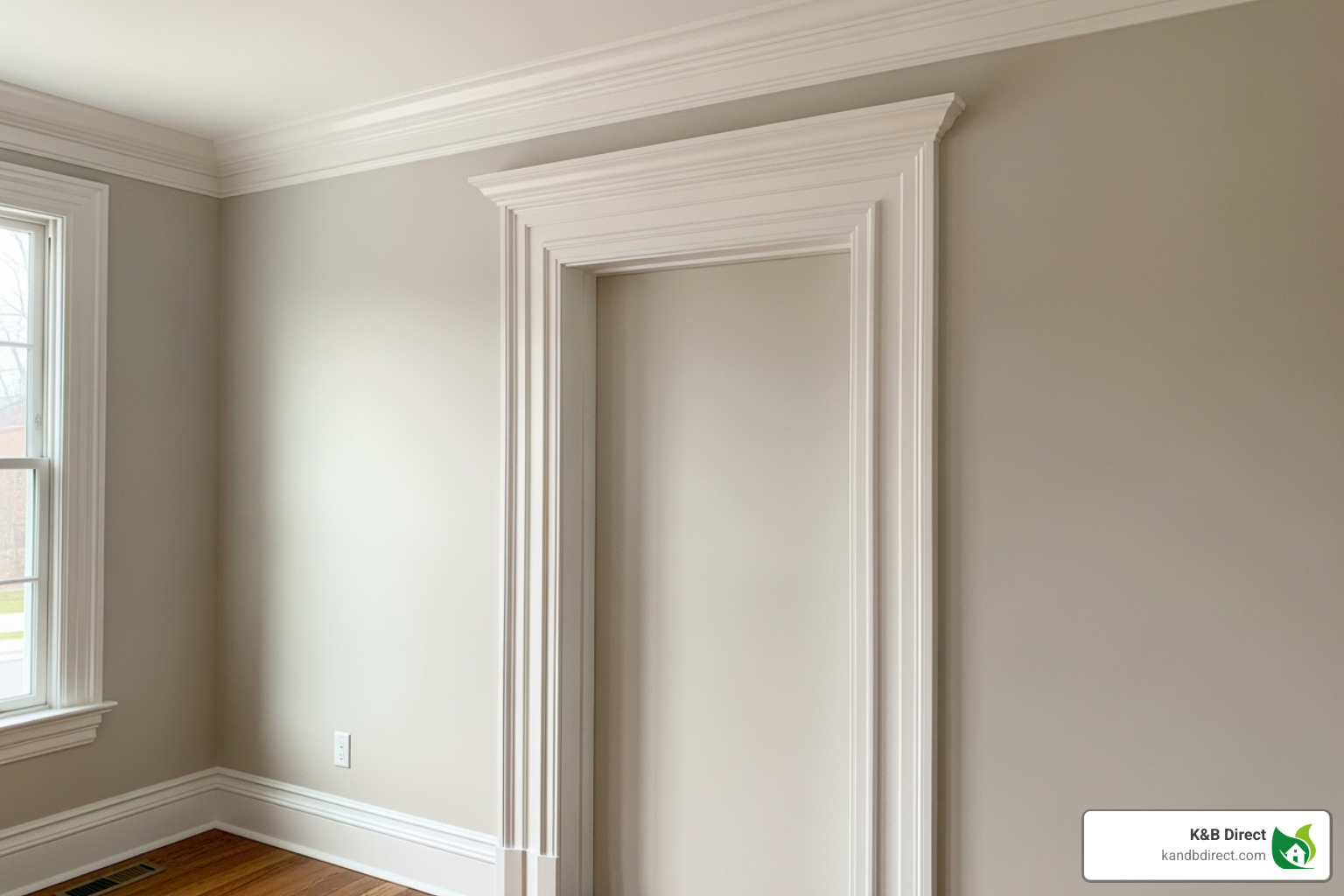
Think of baseboards as the hardworking foundation of your room’s wood trim. They run along the bottom of every wall, doing two important jobs at once. First, they protect your walls from vacuum cleaners, furniture legs, and the occasional kicked soccer ball. Second, they hide those necessary gaps between your flooring and walls that allow for natural expansion and contraction.
Without baseboards, your room would look unfinished and feel incomplete. They create a clean line that grounds everything else in the space.
You’ll find several popular baseboard styles to choose from. Flat stock offers a simple, clean look that works beautifully in modern homes. Colonial style brings traditional charm with its classic curves and details, perfect for older homes or those wanting a timeless feel. Craftsman baseboards feature substantial, often squared-off profiles that emphasize the natural beauty of the wood itself.
The height and style of your baseboards can actually change how your room feels. Taller baseboards can make a room feel more grand, while simpler profiles keep things feeling open and airy. View our Baseboard Products to find the perfect style for your home.
Door & Window Casing
If baseboards are the foundation, then casing is like putting beautiful frames around your room’s most important features. This wood trim surrounds your doors and windows, hiding the gaps where the frame meets the wall and adding serious architectural character.
Good casing makes your doors and windows look intentional and finished. It draws the eye to these openings and helps them feel like designed elements rather than just holes cut in the wall. The style you choose can completely change the personality of your space.
When installing casing, it typically sits back about ⅛ to ¼ inch from the door or window jamb. The corners can be cut at 45-degree angles for a clean, professional look, or joined at 90 degrees for a simpler approach. Either way, tight, well-fitted joints are what separate the pros from the amateurs.
View our Casing Products to find the perfect frames for your openings. For more detailed guidance, explore our guide to Door Casing.
Crown Molding
Crown molding is where wood trim gets fancy. This neat profile runs along the top of your walls where they meet the ceiling, softening that harsh corner and adding instant sophistication to any room.
There’s something magical about crown molding. It can make your ceilings feel higher, your rooms more expensive, and your whole house more refined. You’ll often find it in historic homes and high-end new construction, but there’s no reason you can’t add this touch of elegance to your own space.
Crown molding works by creating a gentle transition from wall to ceiling. Instead of that sharp 90-degree angle, you get a graceful curve that feels more finished and intentional. It’s like adding jewelry to your room – not absolutely necessary, but it makes everything look more polished.
View our Crown Molding Products to add a touch of elegance to your ceilings.
Chair Rail & Wall Panels
Chair rail might sound old-fashioned, but this horizontal wood trim is making a comeback. Traditionally installed about three feet up from the floor, chair rails originally protected walls from furniture damage. Today, they’re more about adding visual interest and creating opportunities for creative design.
Chair rails break up your wall space in a pleasing way. You can paint the area below a different color, add wallpaper, or create wainscoting for a more formal look. It’s a simple way to add architectural detail to rooms that might otherwise feel plain.
When chair rails team up with other trim pieces, they can form the top of beautiful wall paneling systems. This creates layers of visual interest that make any room feel more custom and thoughtfully designed.
View our Chair Rail Molding options to protect your walls and improve your decor. And for those interested in creating beautiful wall panels, learn more about Panel Cap Molding.
The Great Debate: To Paint or Preserve Your Existing Wood Trim?
This is a question we hear often, and it sparks some of the most passionate discussions among homeowners and designers alike! Should you paint your existing wood trim, or is it better to preserve its natural look? The answer isn’t always straightforward and depends on a mix of personal preference, your home’s age and architectural style, the quality of the wood itself, and, of course, current interior design trends.
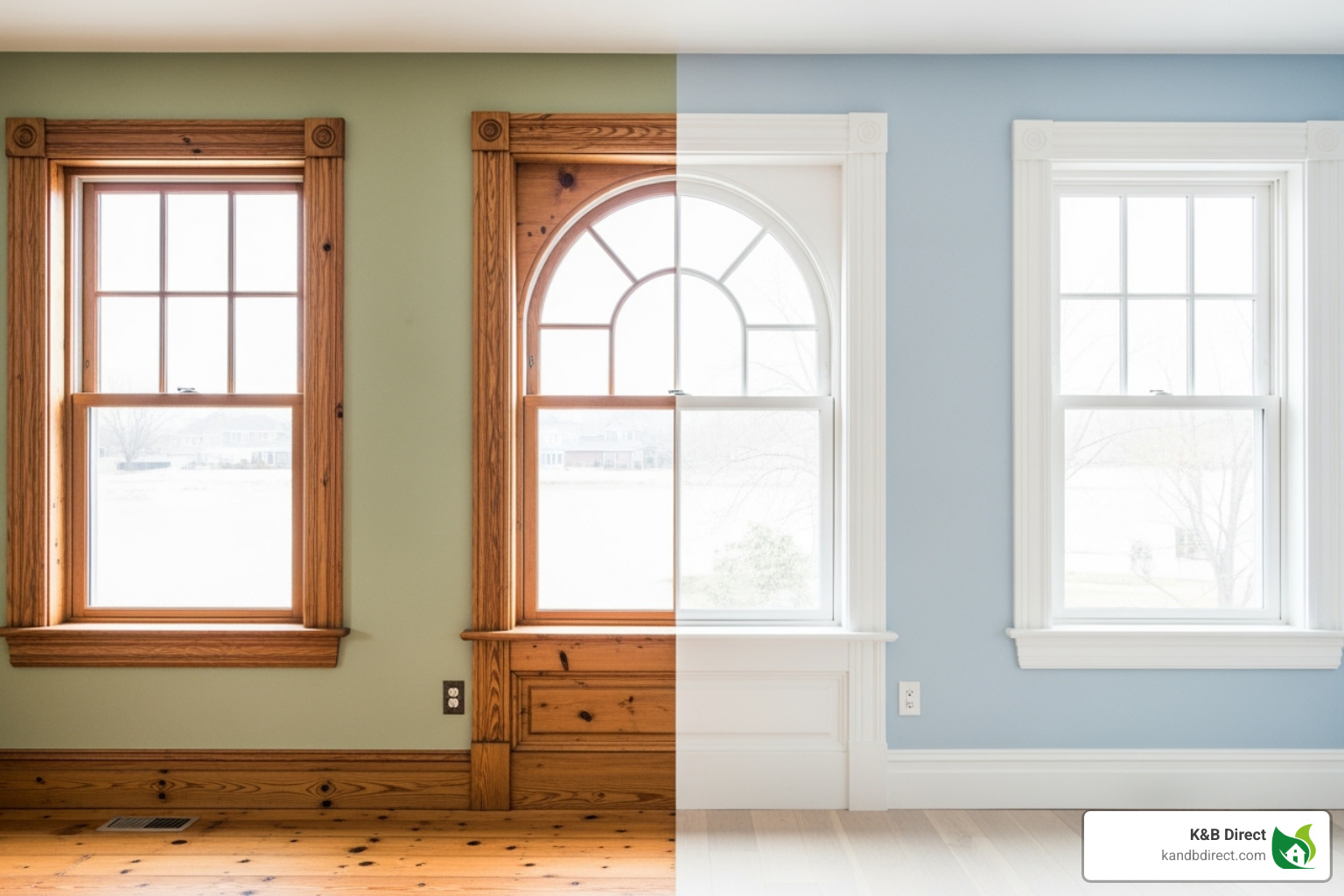
For many, the debate boils down to character versus cleanliness. Natural wood offers a warmth and authenticity that painted trim can’t replicate, reflecting the craftsmanship and history of a home. The grain patterns tell a story, and each piece of wood is unique. Yet, crisp white trim can instantly brighten a room, making it feel more modern and expansive.
We’ve seen homeowners who painted all their wood trim white to transform their house “from a cabin feel to a modern feel,” and others who deeply regret painting original wood. It’s a decision that can dramatically change the entire personality of your space, so it’s worth taking the time to consider all angles.
Pros and Cons: Painting vs. Natural
Let’s break down the advantages and disadvantages of each approach to help you make an informed decision:
| Feature | Painted Trim | Natural Wood Trim |
|---|---|---|
| Maintenance | Easier to clean; scuffs and marks less visible | Requires periodic restaining; shows wear more easily |
| Cost | Lower upfront cost; primer and paint are affordable | Higher material costs; quality stain and finish add up |
| Aesthetics | Brightens rooms; creates clean, modern look | Timeless character; shows natural beauty and craftsmanship |
| Durability | Paint can chip and need touch-ups over time | Natural wood ages gracefully when properly maintained |
| Resale Value | Appeals to broader range of buyers | Can be polarizing; some love it, others prefer painted |
Painted trim has the advantage of brightening rooms and hiding imperfections. If your existing wood trim has dings, scratches, or inconsistent staining, paint can give it new life. It’s also more forgiving when it comes to daily wear and tear – scuff marks are less noticeable on painted surfaces.
Natural wood trim, on the other hand, brings timeless character and shows true craftsmanship. There’s something special about seeing the grain patterns and natural variations in wood. It adds warmth that painted trim simply can’t match, and it connects your home to its history and the natural materials used in its construction.
How to Update Natural Wood Trim Without Painting
If you love the character of your natural wood trim but it’s looking tired or dated, don’t worry – you have options beyond paint! Restaining can completely transform the look while preserving the wood’s natural beauty.
Start by cleaning your trim thoroughly with a wood cleaner to remove built-up grime and old polish. Next, polishing with a quality wood polish can sometimes be enough to bring back the luster. For a more dramatic change, consider gel stains, which can darken or change the tone of your existing wood without the mess of traditional liquid stains.
Here’s a simple process to restain your wood trim: Clean the surface thoroughly, Sand lightly to remove the old finish and create a smooth surface, Apply Stain evenly with a brush or cloth, and finally Seal with a protective topcoat to preserve your new finish.
The Wisconsin Historical Society offers great advice on common problems with wood trim, especially for historic buildings. Sometimes, what looks like damaged wood just needs proper restoration techniques to bring it back to its original beauty.
Once you paint wood trim, it’s very difficult and expensive to go back to natural wood. But updating natural wood while preserving its character? That’s a project that can give you the best of both worlds.