
Why Baseboard Moulding Matters in Every Home
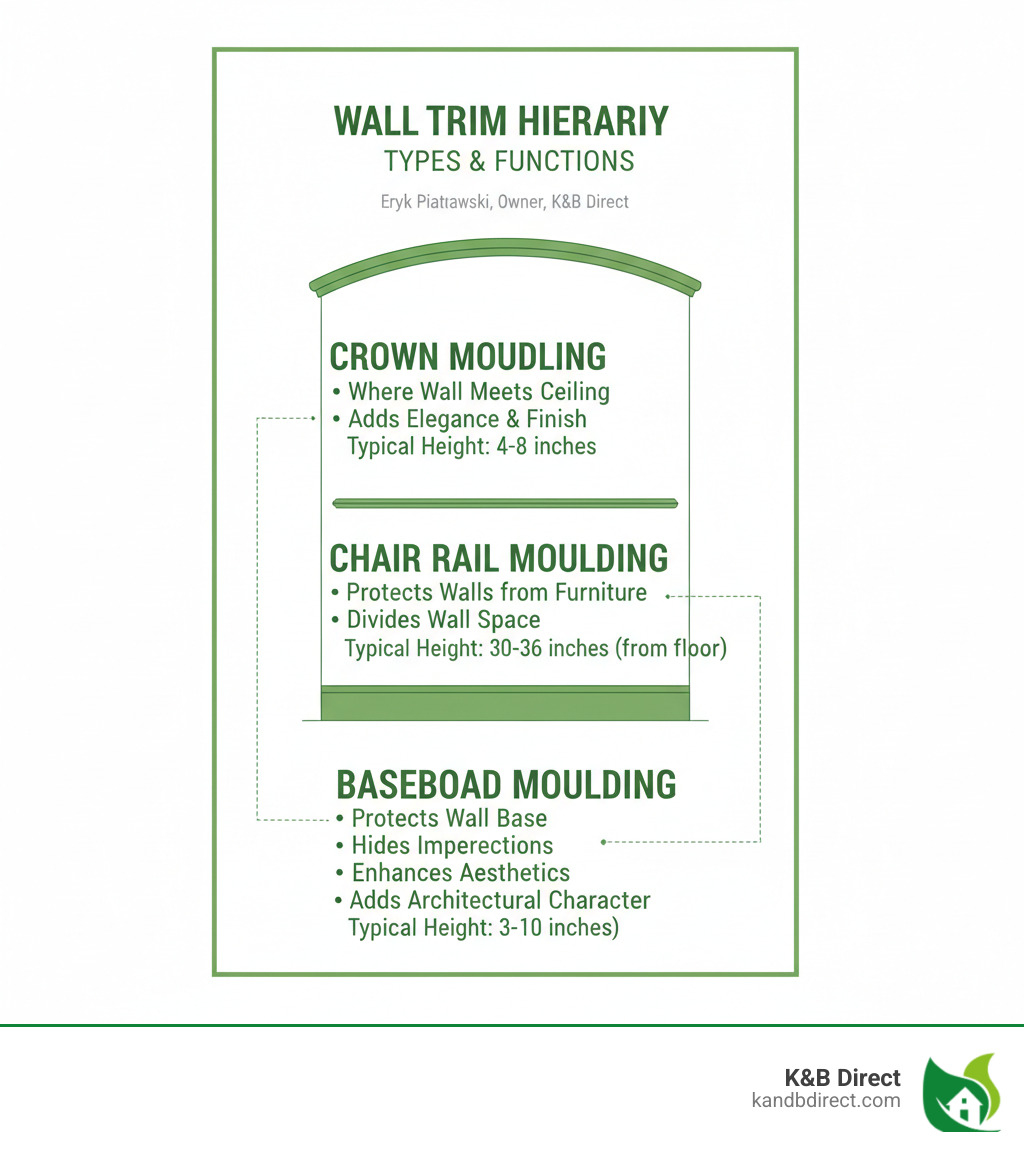
Baseboard moulding is the trim that runs along the bottom of your interior walls where they meet the floor. If you’re looking to understand this essential element of home design, here’s what you need to know:
What Baseboard Moulding Does:
- Protects walls from scuffs, bumps, and damage from vacuum cleaners, furniture, and foot traffic
- Hides imperfections where the floor meets the wall, covering gaps from flooring installation or wall settling
- Improves aesthetics by creating a finished, polished look that frames your room
- Adds architectural character through various profiles and styles that complement your home’s design
Common Materials:
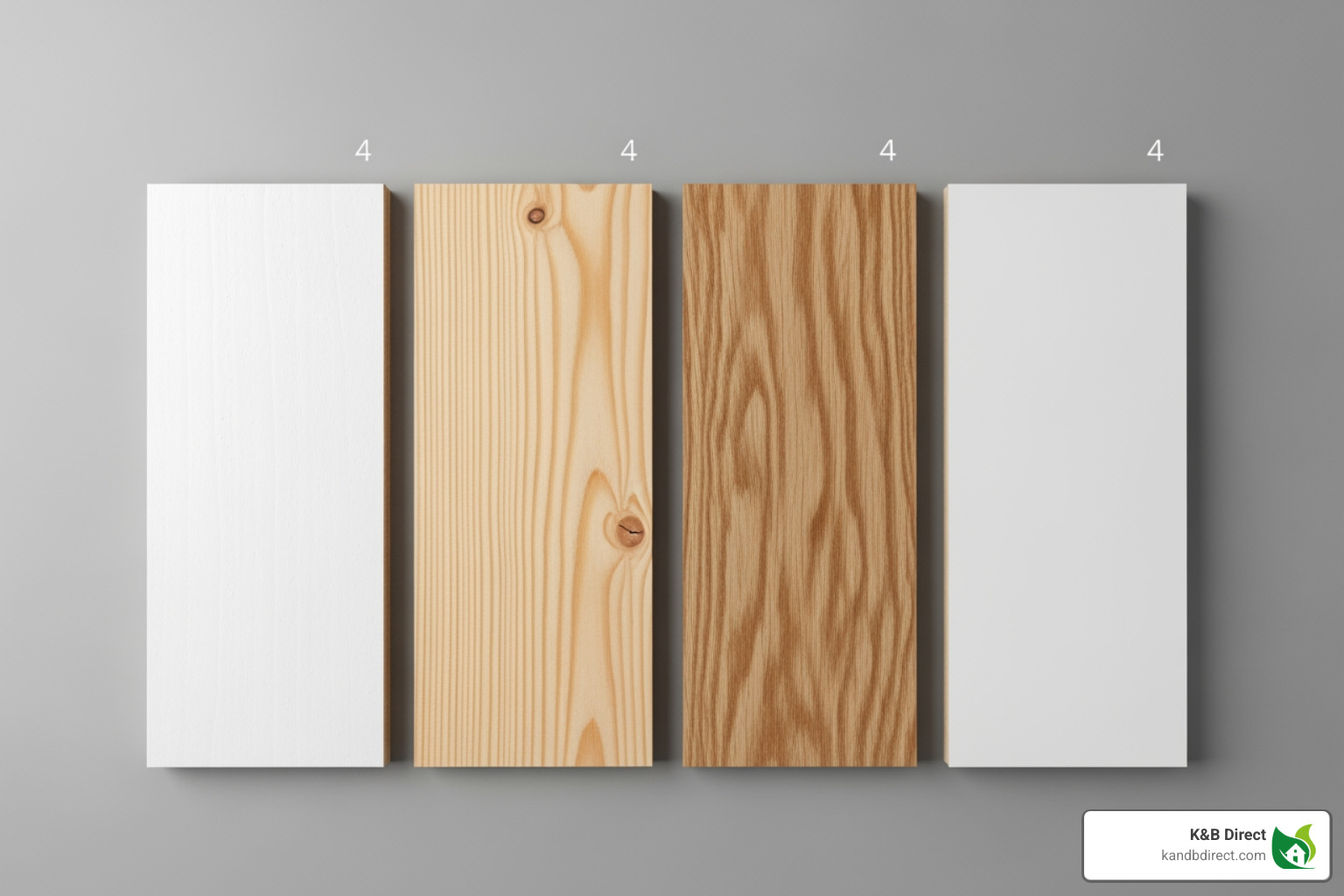
- MDF – Most popular and economical, primed and ready to paint
- Pine – Least expensive natural wood, easy to install
- Hardwoods (Oak, Maple) – Most durable, beautiful when stained
- Vinyl/PVC – Water and termite resistant, perfect for basements and bathrooms
Baseboard trim is found in nearly all modern homes in Canada, making it one of the most common interior design elements. Whether you’re renovating a single room or building from scratch, choosing the right baseboard involves understanding materials, profiles, sizing, and installation techniques.
I’m Eryk Piatkowski, Owner at K&B Direct, and over the past decade I’ve helped countless homeowners select the perfect baseboard moulding to complete their kitchen and bathroom renovations with quality products that match their style and budget. In this guide, I’ll walk you through everything you need to know to make confident decisions about your trim.
Understanding Baseboard Materials: From Wood to Synthetics
Choosing the right material for your baseboard moulding is a key decision in any renovation, affecting your room’s look, maintenance needs, and overall budget. Each material offers distinct advantages. Some are budget-friendly and paint beautifully, while others provide the natural warmth of real wood grain. Modern synthetics are engineered to withstand moisture and humidity. At K&B Direct, we help homeowners steer these choices, offering top-quality products at unbeatable prices. Let’s walk through your options so you can make the best choice for your home.
Medium-Density Fiberboard (MDF)
You’ve likely seen MDF everywhere when shopping for baseboard moulding, as it’s a top choice for homeowners and contractors. MDF is an engineered wood product made from wood fibers combined under heat and pressure. It’s predictable, with no knots or grain variations. The biggest advantage is that MDF is economical, costing much less than natural wood while still achieving a high-end look. This is ideal for large projects or tight budgets. MDF also comes primed and ready to paint, saving prep time and ensuring a smooth, professional finish. Its consistent density makes it easy to cut cleanly. However, MDF isn’t for every situation. Because it lacks a natural wood grain, it doesn’t stain well; for that, you’ll want natural wood moulding instead. Additionally, MDF can swell and warp with exposure to water, so it’s best avoided in damp basements or poorly ventilated bathrooms.
Natural Wood Moulding
There’s a timeless quality to real wood that synthetics can’t replicate. If you appreciate natural beauty, wood baseboard moulding is an excellent choice.
Pine is the most accessible option for natural wood baseboards, being less expensive than hardwoods. As a softwood, pine is easy to work with, cutting smoothly and accepting nails easily. Unlike MDF, pine stains well, highlighting its natural grain, but it can also be painted. Finger-jointed pine often comes pre-primed for easy painting, though the joints might show through a stain. The downside to pine is its softness; it can dent more easily in high-traffic areas.
Hardwoods like oak and maple offer superior durability. These woods are tougher than pine and stand up well to daily wear. The main attraction is the grain: oak has bold patterns, while maple is more subtle. Poplar is another hardwood that takes both paint and stain exceptionally well. Staining hardwoods improves their natural beauty and adds warmth to a room. The trade-off is cost, as hardwoods are significantly more expensive. They are also denser and harder to cut and nail, but the beauty and longevity often justify the investment.
Vinyl and Polyurethane
For spaces with unique challenges like moisture or curved walls, synthetic options are ideal.
Vinyl (also called PVC) baseboard moulding is the moisture champion. It’s completely water-resistant, making it perfect for bathrooms, laundry rooms, and basements where it won’t warp, swell, or grow mold. Vinyl is also termite-resistant and easy to clean. While highly practical, it lacks the warmth of natural wood and can be painted but not stained.
Polyurethane offers unique flexibility. High-density polyurethane can be manufactured to bend, a perfect solution for curved walls or arches. It’s lightweight, easy to install, and resists rot and warping. It can also be molded into intricate designs, offering a decorative look without the cost of carved wood. Like vinyl, it’s designed for painting and can be more expensive than MDF or pine depending on the profile.
Finding the right material means balancing aesthetics, budget, and your space’s needs. At K&B Direct, we stock a range of materials to suit any project. Whether you prefer the economy of MDF, the beauty of hardwood, or the practicality of synthetics, we’ll help you find what you need.
Profiles, Styles, and Sizing Your Baseboard Moulding
Once you’ve settled on a material, it’s time to think about the profile and size of your baseboard moulding. This is where things get really interesting—because the style you choose will shape the entire character of your room. Think of it as choosing the right frame for a beautiful piece of art. The wrong frame can detract from the painting, but the perfect one makes everything shine.
Common Baseboard Profiles
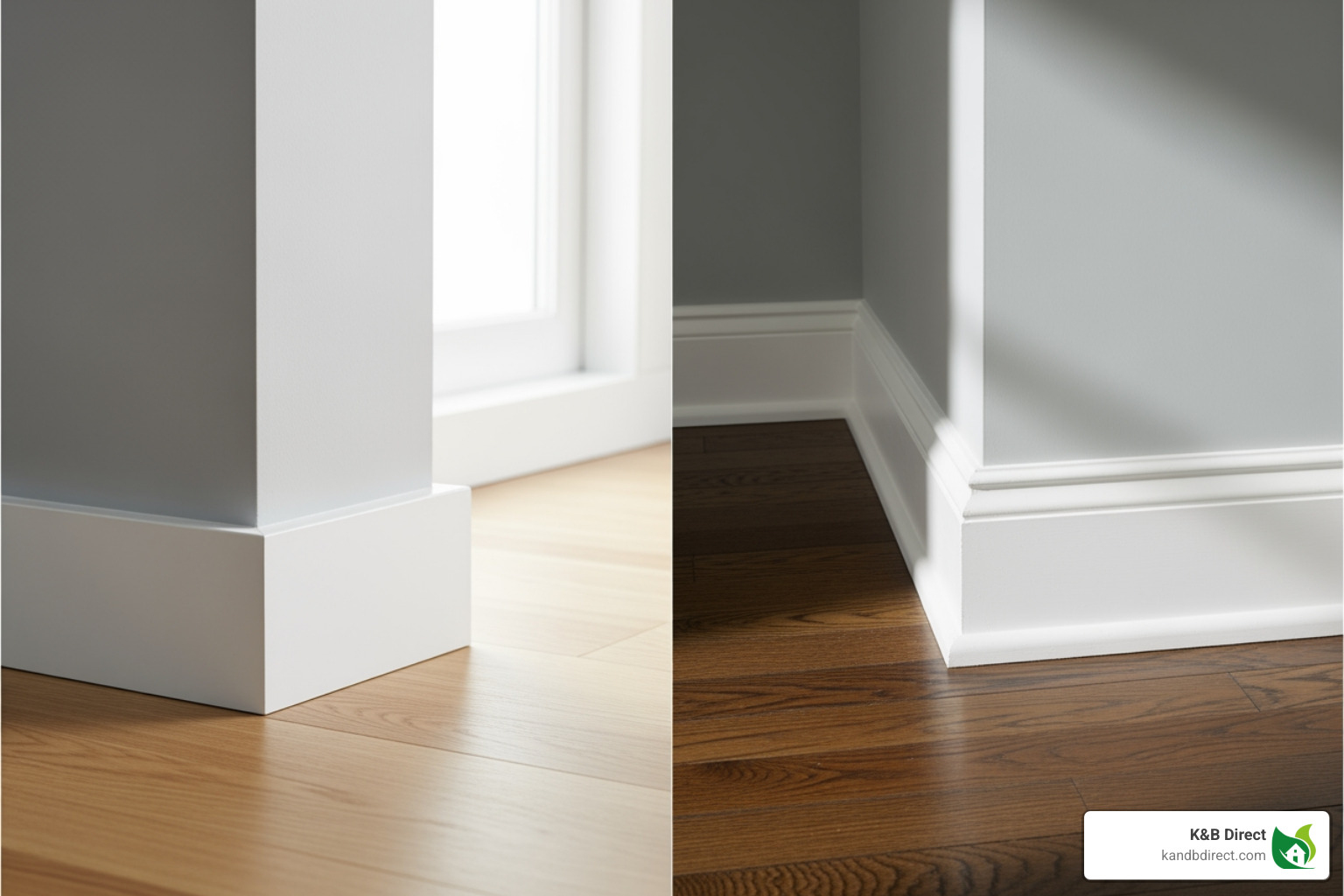
The profile of your baseboard moulding is simply its shape—how it curves, steps, or stays flat as it transitions from wall to floor. Each profile carries its own personality and works best with certain interior design styles.
Flat or square baseboards are the minimalists of the trim world. These are simple, unadorned boards with clean, straight lines. Don’t let their simplicity fool you, though—they’re incredibly versatile. If you’re going for a modern, streamlined look, flat baseboards are your best friend. They also work beautifully in Craftsman and contemporary farmhouse styles, where the focus is on natural materials and understated elegance rather than ornate details.
Rounded or stepped profiles are the crowd favorites, and you’ll see them in countless homes across Canada. These feature a gentle curve or a subtle step that tapers gracefully into the wall. The soft transition they create is both classic and contemporary at once, which explains their popularity. If you’re designing a transitional or contemporary home—spaces that blend traditional warmth with modern sensibility—this profile hits the sweet spot. It’s decorative enough to add character without demanding attention.
Sculpted or Colonial baseboards are where things get fancy. These profiles feature intricate curves, bevels, and decorative details that add a layer of sophistication to any room. If you love formal, traditional, or Victorian design, sculpted baseboard moulding is calling your name. Taller sculpted baseboards work particularly well in large-scale homes, where they improve the sense of grandeur and architectural presence. For more ornate trim options that complement these formal profiles, check out our millwork collection.
How to Choose the Right Baseboard Height
Getting the height right is crucial. Too short, and your baseboards disappear into the background. Too tall, and they can overwhelm the room and throw off the proportions. The good news? There are some helpful guidelines that make this decision much easier.
Your ceiling height is the starting point. For standard 8-foot ceilings—which you’ll find in most homes—baseboards between 3 and 5 inches high tend to look most balanced. This range provides enough visual weight to frame the room without making your walls feel shorter than they already are. If you’re working with 9-foot ceilings or higher, you have more flexibility. In these rooms, you can go with taller baseboards ranging from 5 to 7 inches or even more. The extra height complements the increased wall space and adds a touch of elegance.
Room size matters too. Large, spacious rooms can handle—and often benefit from—taller baseboard moulding. The added height helps ground the space and makes a stronger design statement. In smaller rooms, though, it’s usually better to stick with shorter baseboards. This prevents the trim from dominating the space and keeps the room feeling open and uncluttered.
Think about balance across all your trim elements. Your baseboards don’t exist in isolation—they’re part of a larger design picture that includes your door casings, window trim, and potentially crown moulding. If you have substantial crown moulding at the ceiling, taller baseboards help create visual balance between the top and bottom of your walls. If you’re working with simpler, narrower casings around your doors, you’ll want baseboards that complement that understated approach. You can also build up the height and profile of basic baseboards by adding base cap moldings, which gives you more customization options without starting from scratch.
Modern and minimalist homes typically favor shorter, simpler baseboards that maintain clean lines and don’t distract from the overall design. Traditional or heritage-style homes, on the other hand, often shine with taller, more ornate profiles that emphasize classic architectural details.
At K&B Direct, we’ve seen how the right baseboard moulding profile and height can completely transform a space. It’s one of those details that might seem small, but it makes a world of difference in how finished and professional your room looks. Take your time with these decisions—they’re worth getting right.
A Practical Guide to Baseboard Installation
Installing baseboard moulding yourself can save you money and give you a real sense of accomplishment. The difference between a DIY job that looks homemade and one that looks professionally done comes down to precision, patience, and knowing a few key techniques.
Let me walk you through the essentials so your installation looks crisp and polished.
Prepping and Cutting Your Baseboard Trim
Before you pick up any tools, you need to get your measurements right. Measuring accurately is where most successful installations begin.
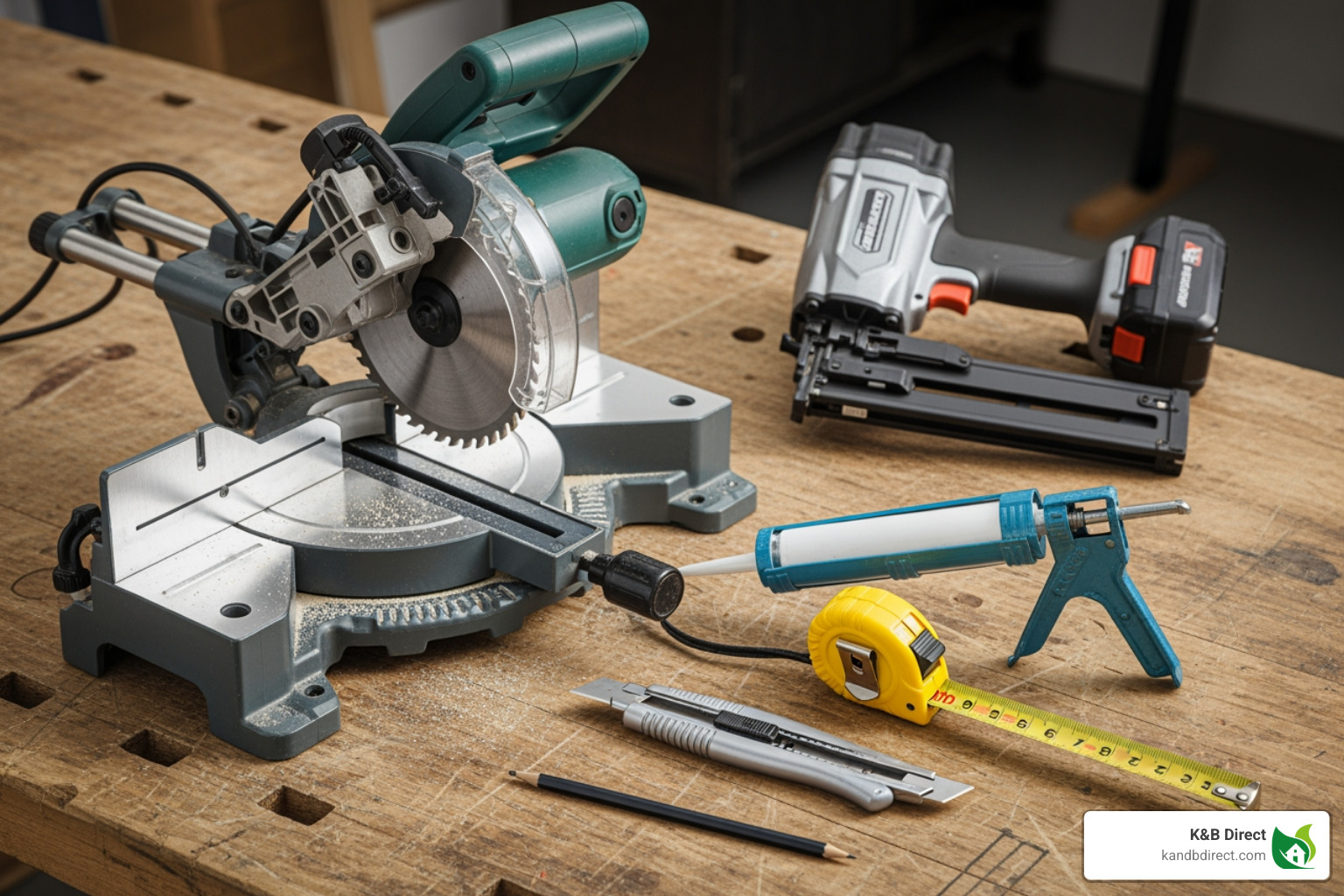
Walk around each room with your tape measure and note the length of every wall section. A pro tip that saves trips to the store: add 10% to your total measurement for waste. This covers bad cuts or damaged sections.
When it comes to cutting, you’ll need two different techniques. For outside corners, a miter saw is essential. You’ll cut each piece at a 45-degree angle so they meet in a clean, tight corner.
Inside corners are trickier. While you can miter these too, coping the joint with a coping saw gives you a much better, seamless result. Coping means you cut along the profile of one piece so it nests perfectly against the face of the other. Our detailed guide on How to Cut Baseboard Corners walks you through both techniques step by step.
Shoe Moulding vs. Quarter Round
Once your baseboard moulding is up, you might notice small gaps between the bottom edge and your floor. This is normal, especially with uneven floors. This is where shoe moulding or quarter round comes in.
Both of these small trim pieces serve the same purpose: covering gaps between the baseboard and uneven floors. They create a finished, professional look.
Shoe moulding has a squatter, more elongated profile designed for floor transitions. It has a subtle, refined appearance and tends to follow floor contours better.
Quarter round, on the other hand, is a perfect 90-degree quarter-circle. It’s versatile but its fuller shape can look more obvious or added-on with simpler baseboard profiles.
Our recommendation? Shoe moulding usually gives a more polished, contemporary result, while quarter round works well in traditional homes.
Common Baseboard Installation Mistakes to Avoid
Avoiding a few common mistakes can make the difference between a homemade and a professional-looking installation.
- Inaccurate cuts: Rushing measurements is the top cause of gaps. Measure twice and cut once; even a small error creates a visible gap.
- Gaps at joints: Corners should be tight. Coping inside corners is superior to mitering, as it creates a seamless joint that accommodates wood movement.
- Not leveling the trim: Floors are rarely perfectly level, but your baseboards should be. Use a spirit level to keep the top edge consistent. Hide small gaps at the bottom with shoe moulding.
- Skipping caulk and putty: These finishing touches are essential. Fill nail holes with wood putty and sand smooth. Apply a thin bead of paintable caulk along the top edge and at all joints for a seamless, built-in look.
- Using the wrong nails: Nails that are too short won’t hold, while nails that are too long risk hitting wires or pipes. A finish nailer with 1-1/4 to 1-1/2 inch finish nails is typically ideal for a secure hold and clean finish.
Take your time with the installation and pay attention to these details, and your baseboard moulding will look like it was installed by a professional.
Frequently Asked Questions about Baseboards
Over the years, I’ve answered countless questions from homeowners about baseboard moulding. These are the questions that come up most often, and I’m happy to share what we’ve learned from helping so many people complete their renovation projects.
What is the most popular type of baseboard moulding?
When it comes to material, MDF wins by a landslide. It’s the most popular choice for baseboard moulding because it offers incredible value and takes paint like a dream. The smooth, consistent surface gives you that clean, professional finish without the professional price tag. For many homeowners, especially those working within a budget, MDF delivers exactly what they need.
As for style, the simple, mid-height rounded or stepped profile is what you’ll find in most homes. This versatile profile has a gentle curve that tapers into the wall, and it works beautifully with almost any design style—whether you’re going for traditional, transitional, or contemporary. It’s popular precisely because it doesn’t commit too heavily to one aesthetic, making it a safe and attractive choice.
That said, flat baseboard moulding is quickly gaining ground, especially in modern and minimalist spaces. Its clean lines and understated presence appeal to homeowners who want their trim to quietly complement the room rather than draw attention.
Should baseboards be painted to match the wall or the trim?
This is one of those questions where tradition offers a clear answer, but modern design gives you permission to break the rules if you want to.
Typically, baseboard moulding is painted to match the other trim in your home—your door casings, window frames, and any other moulding. This creates a cohesive “frame” around the room that defines and highlights your wall color. The most common choice is a semi-gloss white or off-white, which gives you that crisp, classic look and makes your walls pop. Semi-gloss is practical too, since it’s easier to clean than flat paint, which matters when you’re dealing with scuffs from vacuum cleaners and shoes.
But here’s where it gets interesting: some contemporary designers paint baseboards the same color as the walls. This approach can make a small room feel larger by blurring the boundaries between wall and floor, creating a more seamless, flowing space. It’s particularly effective in minimalist or modern interiors where you want clean, uninterrupted lines.
The key is consistency. Whatever you choose, make sure all your trim elements work together to create a unified look throughout your home.
What is the difference between baseboard and casing?
I get this question a lot, and it’s an important distinction to understand when you’re planning your trim work.
Baseboard moulding runs along the bottom of your walls where they meet the floor. It protects your walls from daily wear and tear and covers any gaps between your flooring and the wall. Think of it as the foundation that anchors your room visually.
Casing, on the other hand, is the trim that frames your doors and windows. It covers the gap between the drywall and the door or window frame, giving these openings a finished, polished look.
While baseboards and casings serve different functions and go in different places, they often share similar profiles. You might find the same colonial or craftsman profile available in both baseboard and casing sizes. Many homeowners choose matching or complementary profiles for both to create a unified aesthetic throughout their space. This coordination is what gives a home that pulled-together, professionally designed feel.
At K&B Direct, we carry a wide range of both baseboards and casings, making it easy to find pieces that work beautifully together and help you achieve the cohesive look you’re after.
Conclusion: Complete Your Room with the Perfect Foundation
You’ve made it to the end of our guide, and by now you understand that baseboard moulding is so much more than just a finishing touch. It’s the foundation that ties your entire room together, protecting your walls while adding that polished, intentional look that transforms a house into a home.
Throughout this guide, we’ve walked through the essential decisions you’ll face. We started with materials—from budget-friendly MDF that’s ready to paint right out of the box, to beautiful hardwoods with natural grain patterns perfect for staining, to specialized options like vinyl and polyurethane that stand up to moisture and offer unique installation advantages. Then we explored how different profiles and heights can dramatically change the feel of a room, whether you’re going for modern minimalism with flat baseboards or traditional elegance with sculpted colonial designs. And finally, we covered the practical side of installation, sharing tips for accurate cuts, explaining the difference between shoe moulding and quarter round, and helping you avoid the common mistakes that can turn a DIY project into a frustration.
The beauty of baseboard moulding is that it works quietly in the background, creating clean lines and seamless transitions that make everything else in your room look better. It’s one of those details that people might not consciously notice, but they’d definitely feel something was missing without it.
At K&B Direct, we’ve spent over a decade helping homeowners in Chicago and beyond select the perfect trim to complete their renovations. We believe that creating your dream home shouldn’t mean emptying your wallet, which is why we offer high-quality products at the lowest possible prices. Whether you’re renovating a single bathroom or changing your entire home, we’re here to provide the materials and guidance you need to bring your vision to life.
Ready to complete your rooms with the perfect foundation? Browse our full collection of Base Moulding to find exactly what you’re looking for. And if you have questions or need help choosing the right profile or material for your specific project, don’t hesitate to reach out. We’re always happy to help you make confident decisions about every detail of your home.