
What Base Cap Moldings Can Do for Your Home
Base cap moldings are decorative wood profiles that sit on top of baseboards to create an neat, finished look. While small in size, these trim pieces pack a big punch when it comes to changing ordinary rooms into spaces that look custom-designed and professionally finished.
Quick Overview of Base Cap Moldings:
- Primary function: Caps flat baseboards to add architectural detail
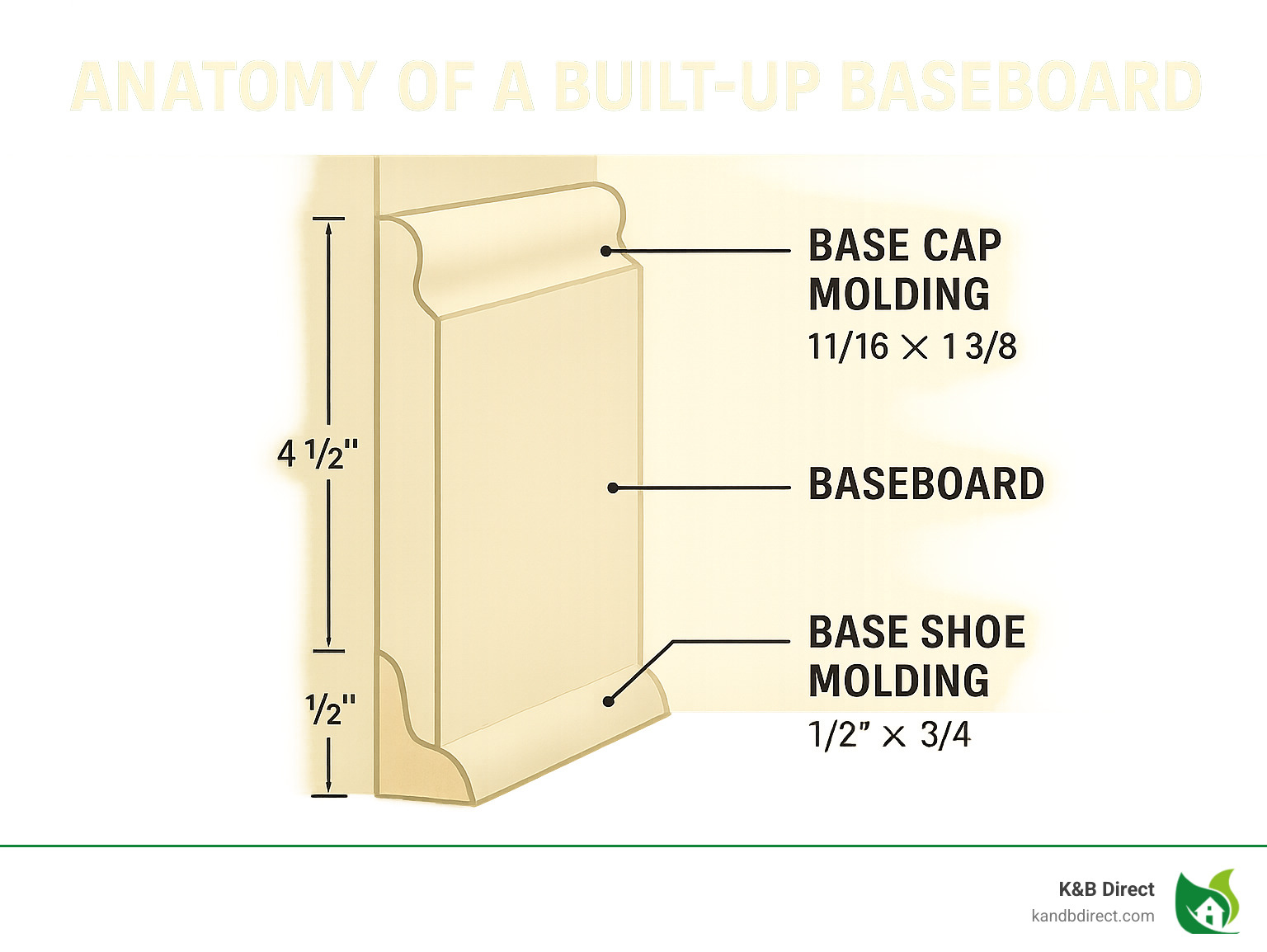
- Common size: 11/16 inch by 1-3/8 inches
- Materials: Wood (pine, poplar, oak), MDF, PVC, or polyurethane
- Cost: Generally less expensive than full-sized molding profiles
- Versatility: Can be used for picture frame molding, wainscoting trim, and door/window casings
- Installation: Popular DIY project requiring basic carpentry skills
Base cap moldings work by changing plain flat boards into sophisticated-looking baseboards. Instead of buying expensive, pre-milled baseboard profiles, you can use affordable lumber (like a 1×4 or 1×6 board) and simply add base cap molding on top. This creates the appearance of substantial, custom millwork at a fraction of the cost.
The magic happens in the layering. When you combine a flat board with base cap molding – and often a base shoe at the bottom – you create what’s called a “built-up” baseboard system. This approach gives you the flexibility to customize the height and style while keeping costs down.
But base cap moldings aren’t limited to baseboards. As one DIY enthusiast noted, “I find it to be so versatile and so useful in so many different projects and in so many different ways.” From creating picture frame molding on walls to beefing up existing crown molding, these small profiles can improve almost any trim application in your home.
I’m Eryk Piatkowski, owner of K&B Direct, and over the past decade of helping homeowners with kitchen and bathroom renovations, I’ve seen how base cap moldings can completely transform a space with minimal investment. Whether you’re looking to upgrade your existing trim or create custom architectural details, these versatile profiles offer an affordable path to professional-looking results.
Understanding the Role and Types of Base Cap Moldings
Base cap moldings are the unsung heroes of home design – small decorative wood profiles that transform ordinary flat baseboards into something that looks professionally crafted. Think of them as the finishing touch that makes all the difference, like adding a perfect frame to a beautiful painting.
The primary job of base cap moldings is simple: they sit on top of flat baseboards (usually made from what we call S4S lumber – that’s “surfaced four sides” lumber) and instantly add depth, character, and visual interest to any room. It’s amazing how such a small detail can make such a big impact on your home’s overall look.
Here’s what makes base cap moldings so appealing – they’re incredibly cost-effective. Instead of buying expensive, pre-milled baseboards, you can use an affordable 1×4 or 1×6 board and simply add base cap molding on top. This creates the illusion of substantial, custom millwork without the hefty price tag. At K&B Direct, we’ve seen countless homeowners achieve that high-end, custom look they’ve always wanted while staying within their budget.
Base Cap vs. Other Decorative Moldings: What’s the Difference?
Understanding where base cap moldings fit in trim can help you make better choices for your projects. While panel molding is typically installed directly on walls to create decorative frames or wainscoting, base cap molding has a more specific job – it’s designed to cap off baseboards and create that layered, built-up look.
But here’s where it gets interesting: base cap moldings are surprisingly versatile. While their main job is topping baseboards, many of these profiles can pull double duty as panel moldings too. It’s like having a Swiss Army knife in your trim arsenal.
The key difference lies in how they’re used. Panel moldings focus on creating distinct decorative elements on walls, while base cap moldings excel at that subtle layering effect that makes baseboards look more substantial and finished. They’re also great at hiding those inevitable gaps where floors and walls don’t quite meet perfectly – something every homeowner with an older house can appreciate.
What makes base cap moldings uniquely suited for baseboard work is their ability to seamlessly integrate with flat boards. They add height, depth, and that professional touch that says “custom millwork” without the custom price tag.
Common Materials and Their Properties
Choosing the right material for your base cap moldings can make or break your project. Each material has its own personality, and understanding these differences helps you pick the perfect match for your needs.
| Material Type | Cost | Durability | Best Use (Interior/Exterior) | Finish (Paint/Stain) | Notes |
|---|---|---|---|---|---|
| Wood (Pine) | Low | Good | Interior | Both paint and stain | Most affordable wood option, accepts paint beautifully |
| Wood (Poplar) | Medium | Good | Interior | Primarily paint | Smooth, consistent grain, paintable surface |
| Wood (Oak) | High | Excellent | Interior | Both paint and stain | Beautiful natural grain, perfect for staining |
| MDF | Low | Fair | Interior only | Paint only | Smooth finish, no grain, budget-friendly |
| PVC/Polyurethane | Medium-High | Excellent | Both interior and exterior | Paint only | Moisture resistant, flexible, never rots |
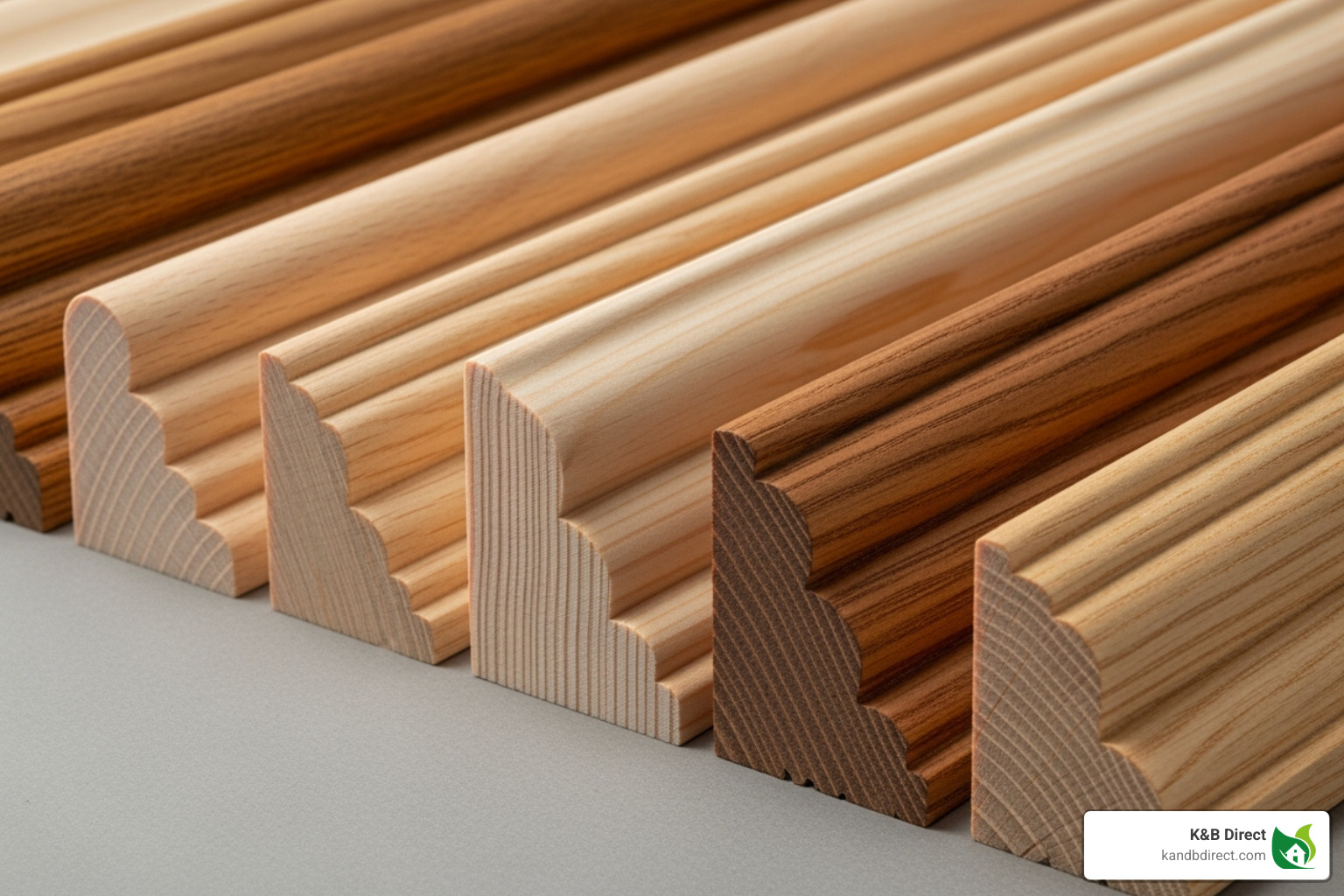
Wood options remain the most popular choice for base cap moldings. Pine offers the best value and takes paint beautifully, while poplar provides a smoother, more consistent surface. Oak costs more but rewards you with gorgeous natural grain that looks stunning when stained.
Finger-joint wood is another excellent option – it’s made by joining shorter pieces together, which actually makes it more stable than solid wood while keeping costs down. Don’t let the joints worry you; they disappear completely under paint.
For areas with moisture concerns or exterior applications, PVC and polyurethane moldings are game-changers. They won’t warp, rot, or split, and they maintain their shape in humid conditions like bathrooms or basements. The trade-off is that they can only be painted, not stained.
Popular Profiles and Dimensions
Base cap moldings come in a delightful variety of profiles, each with its own character. The most common size you’ll encounter is 11/16 inch by 1-3/8 inches – this corresponds to the popular WM 163 profile that works beautifully in most homes.
But don’t feel limited to just one size. Base cap moldings typically range from 1/2 inch to 1 inch in width and 1-1/4 inches to 2 inches in height. This gives you plenty of flexibility to match your room’s scale and your personal style preferences.
The profile options range from simple, clean lines that work perfectly in modern homes to ornate, traditional designs with curves and details that complement historic architecture. Some profiles feature rabbeted designs – these have a groove cut into the back that helps them sit flush against your baseboard for a seamless look.
Transition designs are another interesting option. These profiles are specifically shaped to create smooth visual transitions between different elements in your trim work, making everything look intentionally designed rather than pieced together.
For a profile that balances classic appeal with modern versatility, check out this popular profile example that many of our customers love. It’s substantial enough to make an impact but not so ornate that it overwhelms smaller spaces.
The beauty of base cap moldings is that even the simpler profiles can create dramatic results when properly installed. Sometimes the most understated choice makes the biggest difference in achieving that polished, professional look you’re after.
Creative Applications Beyond the Baseboard
This is where base cap moldings really start to shine! While they’re traditionally known for topping off baseboards, these versatile trim pieces can transform your entire home in ways you might never have imagined. Think of them as the Swiss Army knife of moldings – once you start using them creatively, you’ll wonder how you ever lived without them.
Enhancing Walls and Ceilings
Want to add instant sophistication to any room? Base cap moldings are your secret weapon for creating architectural details that look like they cost a fortune but won’t break the bank.
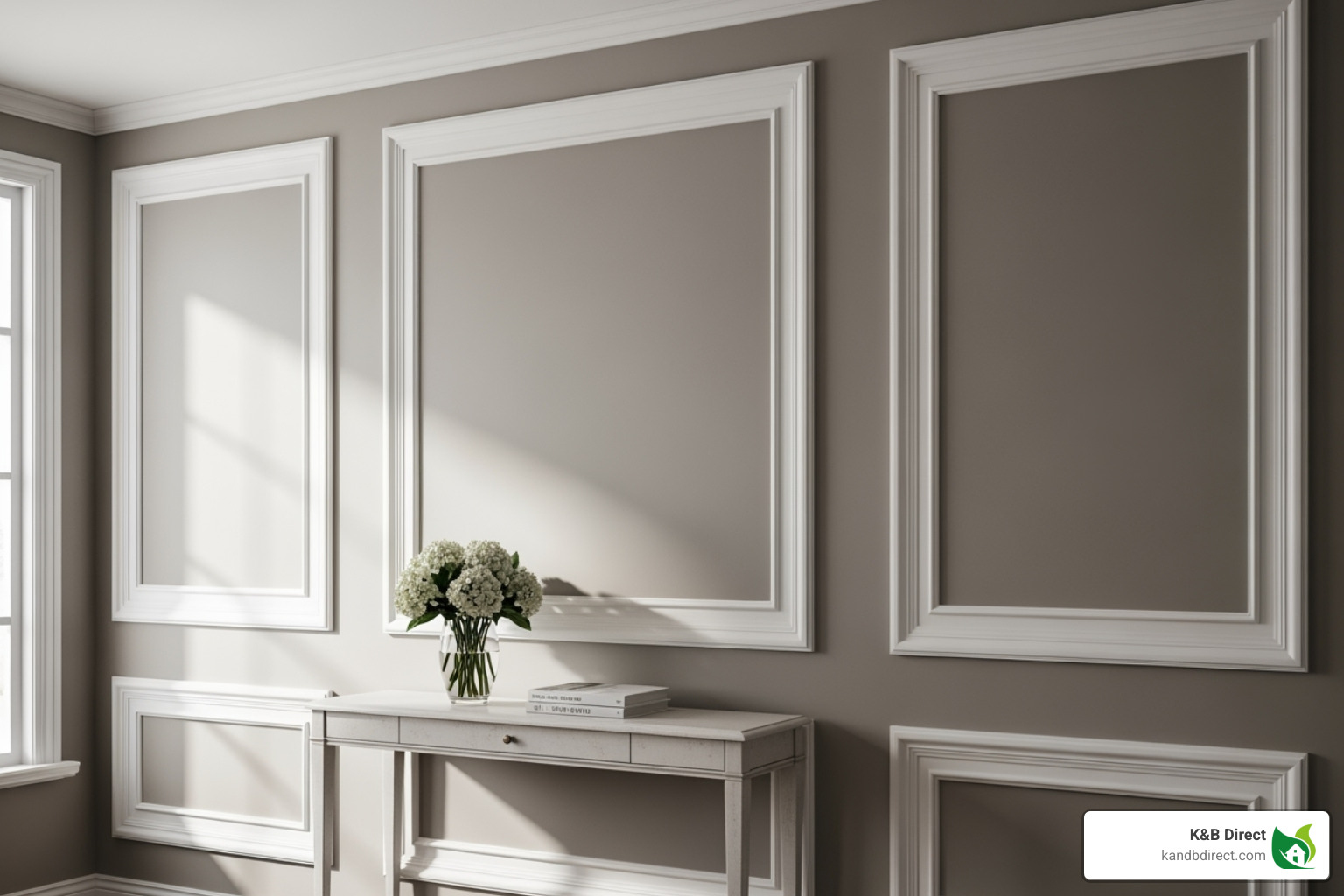
Picture frame molding is one of our absolute favorite applications. By cutting base cap moldings into rectangles and mounting them directly on your walls, you create beautiful paneled effects that add depth and visual interest. It’s like giving your walls a custom designer treatment without the designer price tag. The three-dimensional effect is stunning, and guests will think you hired a professional.
For wainscoting projects, base cap molding makes the perfect finishing touch along the top edge of your panels. It creates that polished, built-in look that screams quality craftsmanship. The molding blends seamlessly with the overall design, adding just the right amount of detail without overwhelming the space.
You can even use base cap moldings as part of a chair rail system or to finish ceiling frames made from MDF. The possibilities are endless when you start thinking outside the baseboard box.
Upgrading Existing Trimwork
Here’s where base cap moldings really prove their worth – they’re fantastic for upgrading what you already have instead of starting from scratch.
If your crown molding feels a bit underwhelming, try adding base cap molding just below it. This layering technique instantly makes your crown molding look more substantial and expensive. It’s a designer trick that creates the illusion of custom millwork at a fraction of the cost.
Door and window casings get an instant upgrade when you add base cap molding around their perimeter. Plain, flat casings suddenly look architectural and intentional. It’s amazing how this simple addition can make standard builder-grade trim look custom-designed.
You can also layer base cap moldings with existing Baseboard Trim to create more height and character. This is perfect when you want to update your home’s look without the hassle and expense of completely replacing your trim.
Unique DIY and Exterior Projects
The creativity doesn’t stop indoors. Base cap moldings open up a world of DIY possibilities that’ll have your neighbors asking for your secret.
Building decorative frames for artwork is a fun weekend project that saves money while adding a personal touch to your decor. Instead of buying expensive custom frames, you can craft beautiful, architectural frames that perfectly match your home’s style.
Fireplace mantels get a major upgrade when you add base cap molding to their edges and panels. This creates a more built-in, elaborate look that turns your fireplace into a true focal point. The added detail makes the entire room feel more finished and intentional.
For exterior applications, PVC base cap molding is your best friend. It’s moisture, rot, and termite resistant, making it perfect for trimming porch columns or newel posts. This adds neat detail to your home’s exterior while standing up to whatever Mother Nature throws at it. Your curb appeal will thank you.
The beauty of base cap moldings lies in their versatility. They’re not just trim pieces – they’re design tools that help you create the custom look you’ve always wanted without the custom price tag.
How to Install and Finish Base Cap Molding
Installing base cap molding might seem intimidating at first, but it’s actually one of the more rewarding DIY projects you can tackle. With the right tools and a bit of patience, you’ll be amazed at how this simple addition can completely transform your space. The best part? You don’t need to be a master carpenter to achieve professional-looking results.
Step 1: Measuring and Cutting Your Molding
The secret to a beautiful base cap molding installation lies in precision. As any experienced DIYer will tell you, “measure twice, cut once” isn’t just a saying – it’s your best friend when working with trim.
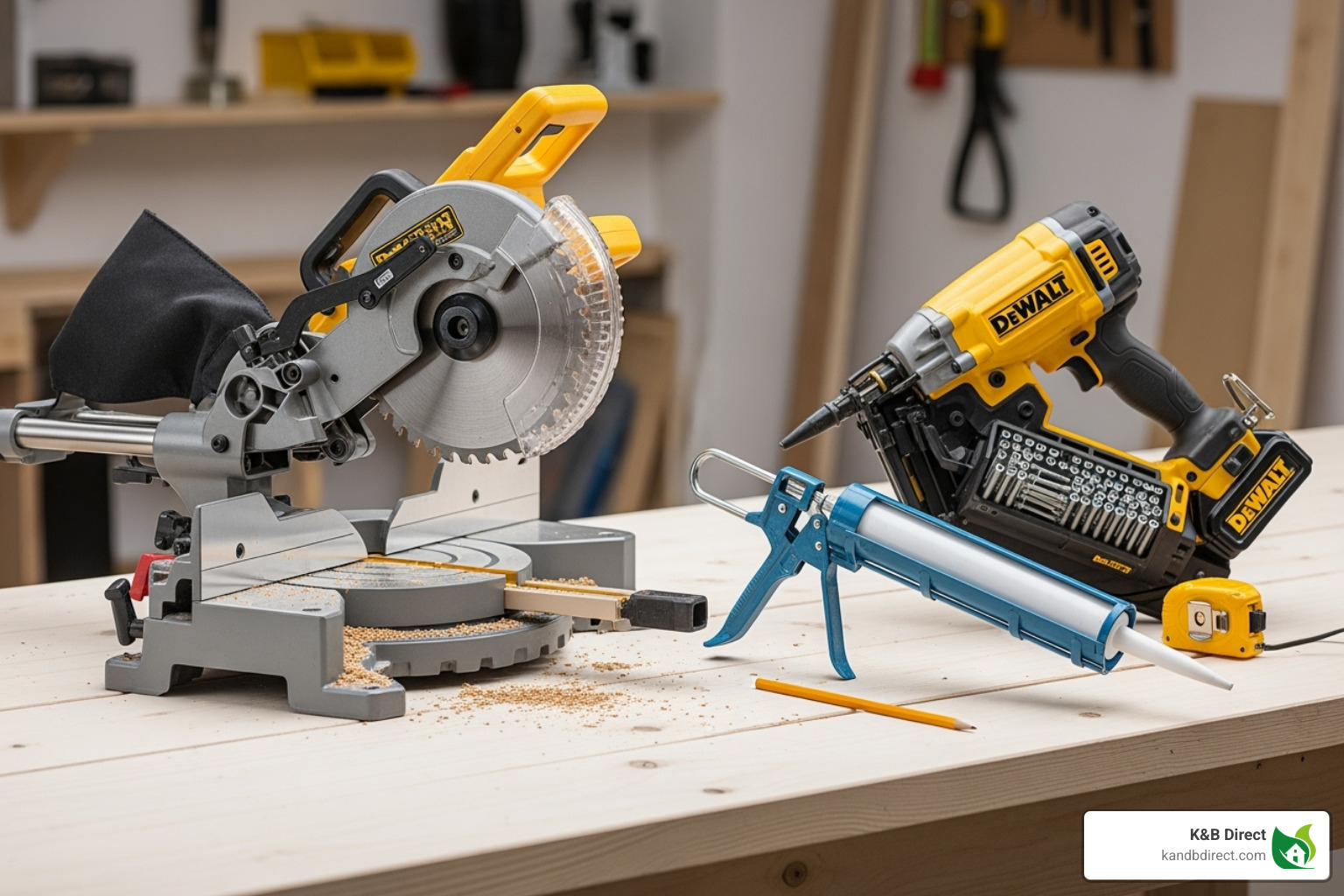
Before you start cutting, gather your essential tools. You’ll need a measuring tape for accurate measurements, a pencil for marking, and most importantly, a miter saw for clean, precise cuts. For inside corners, consider adding a coping saw to your toolkit. While it might seem like an extra step, coped joints create much tighter fits than simple miter cuts, especially in older homes where walls aren’t perfectly square.
Start by measuring each wall section where you’ll install the base cap molding. Write down these measurements and add a few extra inches as a safety buffer – it’s better to trim a piece down than to come up short. When you’re ready to cut, outside corners (where walls form an outward angle) typically require two 45-degree miter cuts that join to create a perfect 90-degree corner.
Here’s a pro tip we’ve learned over the years: if you’re dealing with bullnose corners (those rounded drywall corners), try using two 22.5-degree miter cuts on each piece instead. This creates a multi-faceted corner that wraps around the curve beautifully, avoiding the frustration of trying to bend the molding, which often leads to cracks and splits.
For inside corners, coped joints are your best bet. This technique involves cutting the profile of one piece to fit perfectly against the face of the adjoining piece. It’s more forgiving than miter cuts and won’t open up over time as your house settles. For detailed guidance on mastering these cuts, especially those trickier angles, check out our comprehensive guide on How to Cut Baseboard.
Step 2: Fastening and Finishing for a Professional Look
Once your cuts are perfect, it’s time for the installation magic to happen. This is where your base cap molding transforms from individual pieces into a cohesive, custom-looking trim system.
Use a brad nailer or nail gun to secure the molding to both the baseboard and wall studs. Before nailing, apply a thin bead of construction adhesive to the back of the molding. This extra step provides additional hold and helps eliminate any potential gaps or movement over time. Always try to nail into studs when possible – your molding will be much more secure and stable.
After everything is fastened, it’s time for the finishing touches that separate amateur work from professional results. Fill all nail holes with high-quality wood filler, and don’t forget to address any larger gaps with wood filler or spackle.
The real game-changer is caulking. Apply a bead of paintable caulk along every seam where the molding meets the wall, the baseboard, and at all mitered or coped joints. Smooth the caulk with a wet finger or caulking tool – this step is what creates that seamless, built-in look that makes people think you hired a professional.
Once the wood filler and caulk are completely dry, lightly sand any rough spots to ensure a smooth surface. If your base cap molding isn’t pre-primed (many of our finger-jointed options come ready for finishing), apply a coat of primer first. This ensures your final paint color will adhere properly and look its best.
Finish with two coats of your chosen paint color. While classic white trim never goes out of style, don’t be afraid to experiment with colors that complement your wall paint for a more dramatic effect. The change will be remarkable – those simple pieces of trim will look like expensive, custom millwork.
For a complete, step-by-step installation guide with tips for handling various room challenges, be sure to read our detailed instructions on How to Install Base Cap Moulding. With these steps, you’ll be well on your way to changing your home with neat, custom-looking trim that adds both value and beauty to your space.
Frequently Asked Questions about Base Cap Moldings
We get lots of questions about base cap moldings at K&B Direct, and honestly, we love talking about them! These little trim pieces might seem simple, but they pack a big punch when it comes to changing your home. Let’s explore the questions we hear most often from our customers.
Is base cap molding expensive?
Here’s the best news you’ll hear all day: base cap molding is actually one of the most budget-friendly ways to get that expensive, custom look in your home. Since these are smaller profiles, they cost significantly less than those big, fancy moldings you might be eyeing.
The real magic happens when you pair base cap molding with simple flat stock lumber – think a basic 1×4 or 1×6 board from any lumber yard. Together, they create the illusion of a tall, substantial baseboard that looks like it came from a high-end custom home. But instead of paying premium prices for a single large piece of millwork, you’re getting the same visual impact for a fraction of the cost.
At K&B Direct, we’re all about helping our customers achieve their dream home aesthetics without breaking the bank. That’s why we offer top-quality base cap moldings at the lowest possible prices – because everyone deserves beautiful trim, regardless of their budget.
Can I install base cap molding myself?
Absolutely! Installing base cap molding is actually a perfect weekend DIY project if you’ve got basic carpentry skills and a bit of patience. You don’t need to be a professional contractor to get professional-looking results.
Here’s what you’ll need in your tool arsenal: a miter saw for those crisp, accurate cuts, a reliable measuring tape, and a brad nailer to secure everything in place. The secret to success? Take your time with measurements and focus on making clean cuts, especially around corners. Those details make all the difference between a “looks like I did it myself” project and a “wow, who was your contractor?” finish.
Think of it as a rewarding challenge that adds real value to your home. Plus, there’s something incredibly satisfying about stepping back and admiring trim work you installed with your own hands.
Where is the best place to use base cap moldings?
While base cap moldings got their name from sitting pretty on top of baseboards, that’s honestly just the beginning of their story. These versatile pieces are like the Swiss Army knife of trim work.
The traditional spot is capping your baseboards, where they transform plain flat boards into sophisticated, layered trim that looks custom-designed. But we’ve seen our customers get incredibly creative with them.
Picture frame molding on walls is hugely popular right now – just arrange base cap molding into rectangles or squares on your walls for instant architectural interest. They’re also perfect for trimming out wainscoting panels, giving you that finished, professional edge.
Want to beef up existing trim? Add base cap molding below your crown molding to make it look more substantial, or layer it around door and window casings for extra dimension. We’ve even seen customers use them to improve fireplace mantels and create custom frames for artwork.
For more baseboard inspiration, check out our full selection of Baseboard Trim to see how different profiles work together. The versatility really is the strong suit of base cap moldings – anywhere you want to add architectural detail or visual interest, they’re up for the job.
Conclusion: Transform Your Home with Neat Trim
When we started this journey together, we talked about how base cap moldings might seem like a small detail. But as we’ve finded, these unassuming pieces of trim are actually powerhouse tools for changing your home. They’re proof that sometimes the simplest solutions create the most dramatic results.
Think about it – with just a few pieces of base cap molding, you can take a plain baseboard and make it look like expensive custom millwork. You can add sophisticated picture frame molding to your walls, beef up existing crown molding, or create stunning wainscoting details. All without breaking the bank or requiring a complete renovation.
The versatility is what really gets me excited about base cap moldings. Whether you’re working with wood, MDF, or PVC, whether you prefer simple profiles or more ornate designs, there’s a solution that fits your style and budget. And the best part? Most homeowners can install them with basic tools and a weekend’s worth of effort.
At K&B Direct, we’ve seen countless customers transform their homes with these simple additions. From our locations in Chicago, Glen Ellyn, West Chicago, Lombard, and Schiller Park, Illinois, we’ve watched ordinary rooms become extraordinary spaces – all thanks to thoughtful details like base cap moldings.
We believe everyone deserves to live in their dream home, and that dream shouldn’t cost a fortune. That’s why we’re committed to offering top-quality moldings at unbeatable prices, backed by the friendly service you deserve. When you combine quality materials with smart design choices, amazing things happen.
By adding this simple yet neat detail, you can significantly lift your home’s style and achieve a custom-designed look for less. Ready to get started? Explore our full selection of Base Cap Moulding to find the perfect profile for your next project. We’re here to help you every step of the way, turning your vision into reality – one beautiful detail at a time.