
Why Storm-Ready Doors Matter More Than Ever
Impact resistant doors are specially engineered entry systems built to withstand extreme wind forces, flying debris, and high-pressure events caused by hurricanes, tornadoes, and severe storms. Unlike standard doors, they feature reinforced cores, laminated glass with PVB interlayers, and heavy-duty frames designed to pass rigorous missile impact tests—including a 9-pound 2×4 launched at 34-50 mph.
Key features of impact resistant doors:
- Construction: Reinforced fiberglass, steel plates, polyurethane cores, and laminated glass
- Testing standards: ASTM E1996, Miami-Dade HVHZ, Florida Building Code
- Protection: Withstand 100-150 mph winds and windborne debris
- Additional benefits: Noise reduction, UV protection, forced-entry resistance, potential insurance savings
- Applications: Required by code in Hurricane-Prone Regions (design wind >115 mph) and Windborne Debris Regions (≥140 mph or 130 mph within 1 mile of coast)
When strong hurricane winds enter a home through broken openings, the increased internal pressure can lift off the roof and cause total structural collapse. Impact resistant doors were shown to reduce the likelihood of total home failure by more than 50% when installed along with impact-rated windows in hurricane simulations. With the U.S. averaging over 17 severe weather events per year from 2018 to 2023 that each caused more than $1 billion in damages, these doors have become essential protection—not just luxury upgrades.
Windborne debris during hurricanes and tornadoes is one of the leading causes of structural damage in residential homes, according to FEMA. A standard door simply cannot survive a tree branch, roof tile, or other projectile traveling at hurricane speeds. Impact resistant doors use the same laminated glass technology found in bullet-resistant applications, holding shattered glass fragments together to prevent catastrophic breaches.
Beyond storm protection, these doors offer year-round benefits including dramatic noise reduction, near-total UV ray blockage (protecting furniture and flooring from fading), improved home security against forced entry, and valuable financial benefits through insurance premium reductions and increased property value.
I’m Eryk Piatkowski, Owner at K&B Direct, and over the past decade we’ve helped thousands of homeowners select quality doors that balance safety, style, and budget. Whether you’re in a coastal hurricane zone or simply want the peace of mind that Impact resistant doors provide, understanding their construction and certification is essential for making an informed investment.
Defining Impact Resistant Doors and Their Construction
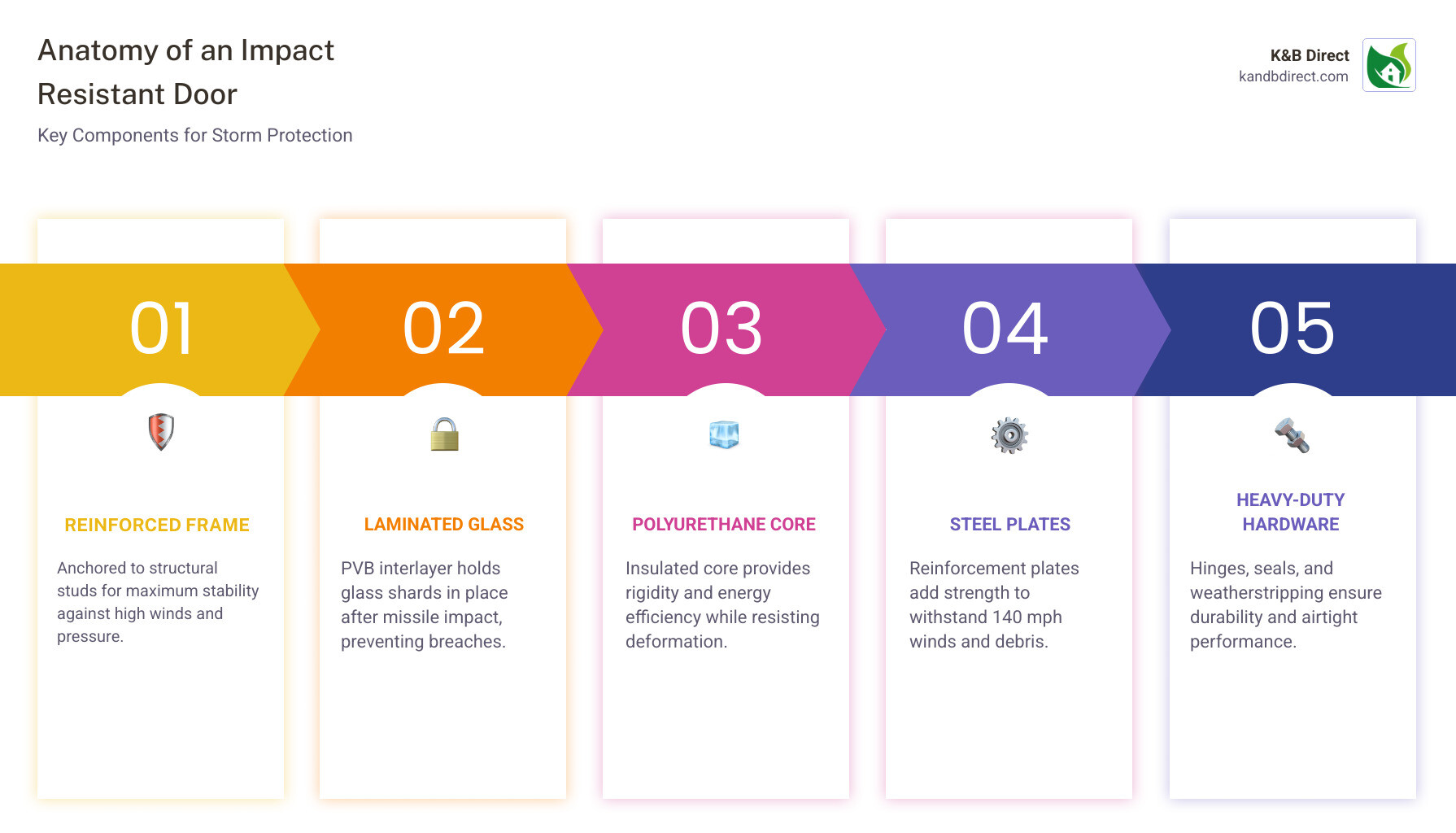
When we talk about Impact resistant doors, we aren’t just talking about a “heavy” door. These are highly engineered systems designed with a specific goal: maintaining the building envelope. If a door fails during a storm, the wind rushes in, creating a “balloon effect” that can literally push the roof off your house.
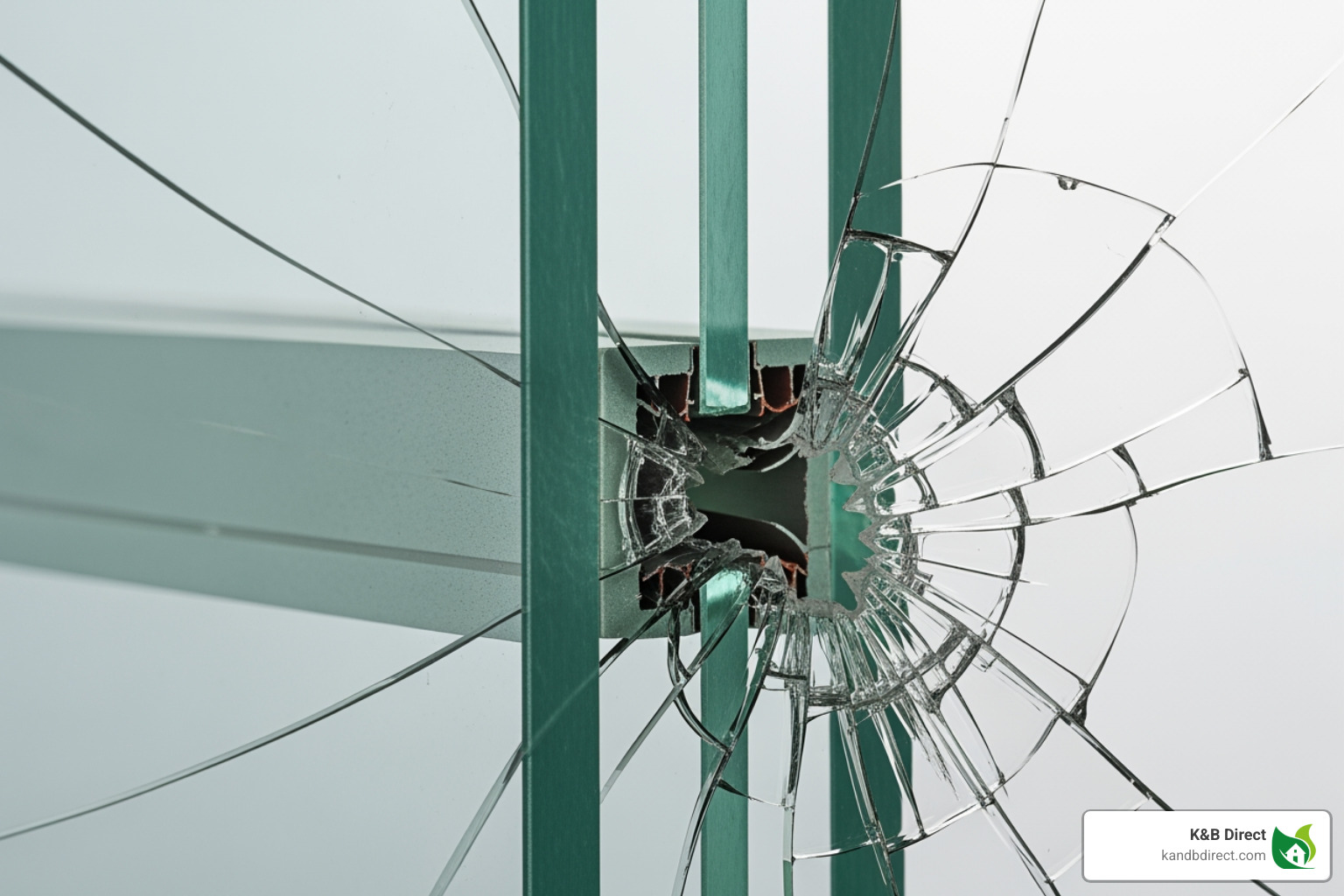
The secret to their strength lies in the layers. Most of these units use a combination of materials that work together. For doors with glazing, we use laminated architectural glass. This isn’t your standard window pane; it consists of two layers of glass bonded together by a tough polymer interlayer, usually Polyvinyl Butyral (PVB). If the glazing breaks, the PVB interlayer holds the shards in place, keeping the wind and rain out.
The door “slab” or “leaf” itself often features a polyurethane core for insulation, encased in reinforced skins. To ensure the door doesn’t just blow out of the wall, the units use reinforced frames and heavy-duty hinges. According to the FEMA Authorized Equipment List, these doors are categorized as physical security improvement equipment because their strength, security, and durability are best. For those looking to understand the full anatomy of a door unit, our Interior Door Complete Guide provides a great foundation on how professional frames and slabs are assembled.
Materials Used in Impact Resistant Doors
We often get asked which material is “best.” The truth is, it depends on your aesthetic goals and maintenance preferences. Here are the heavy hitters:
- Fiberglass: This is perhaps the most popular choice. It is incredibly strong, resists dents, and won’t rot or warp in the humid Illinois summers. Many impact-rated fiberglass doors use molded skins that can be textured to look like real wood while offering the protection of a shield.
- Galvanized Steel: Often considered the gold standard for pure protection. Steel doors may dent if hit by a large projectile, but they won’t splinter.
- Extruded Aluminum: Lightweight yet structurally rigid, aluminum is frequently used for sliding patio doors and modern entryways. It’s highly resistant to corrosion.
- Reinforced Engineered Wood: For the traditionalist, some manufacturers offer engineered wood doors with internal steel plates or specialized cores to meet impact standards without sacrificing that classic timber feel.
Performance of Impact Resistant Doors in Extreme Conditions
How do we know these doors actually work? We beat them up in a lab. The “Large Missile Test” is the industry benchmark. In this test, a 9-pound 2×4 stud is fired out of an air cannon at speeds between 34 and 50 feet per second (roughly 34-35 mph). To pass, the door must not be penetrated by the lumber.
But the “bang” is only the beginning. After the impact, the door is subjected to 9,000 pressure cycles—simulating the intense, repetitive “push and pull” of hurricane-force winds. This ensures that even if the door is cracked, it won’t blow open. Independent research has highlighted that these doors are rated for winds exceeding 140 mph, significantly reducing the risk of structural failure in the home.
Rigorous Testing and Building Code Compliance
Navigating building codes can feel like learning a second language, but it’s vital for ensuring your home is actually protected. In Impact resistant doors, there are two main “zones” you should know about: Wind Borne Debris Regions (WBDR) and High Velocity Hurricane Zones (HVHZ).
While HVHZ standards (like those in Miami-Dade) are some of the strictest in the world, many of the same high-performance products are used throughout the country to defend against tornadoes and severe thunderstorms.
Most reputable manufacturers test their products to meet ASTM standards, specifically ASTM E1996 and E1886. These certifications ensure that the door you buy has been independently verified to handle the specific wind loads and impact risks of your geographic area.
Multi-Hazard Protection: Storms, Security, and Wildfires
While the primary focus of Impact resistant doors is often weather, they are effectively “all-in-one” safety solutions. Because they are built to stop a flying 2×4, they are also incredibly effective at stopping a burglar. The laminated glass and reinforced frames make forced entry nearly impossible without heavy power tools and a lot of noise.
Furthermore, many of these doors are designed with a 20-minute fire rating. In the FEMA P-499 Home Builder’s Guide, it is noted that fire-resistant materials are crucial for protecting the home’s envelope from external threats. In wildfire-prone areas or even just for added safety between a garage and the main house, these doors provide a critical barrier.
Additional perks include:
- UV Protection: Laminated glass blocks nearly 100% of harmful UV rays, preventing your expensive rugs and furniture from fading.
- Noise Reduction: The thick, laminated layers act as a sound barrier, making your home significantly quieter—perfect for those living near busy roads in Chicago or Arlington Heights.
- Intumescent Seals: In fire-rated versions, these seals expand when exposed to heat, blocking smoke and flames from passing through the gaps.
Identifying Certified Impact Resistant Doors
Don’t just take a salesman’s word for it. You can identify a genuine impact-rated product by looking for permanent etchings in the corner of the glass or certification labels on the hinge side of the door. These labels will list the manufacturer, the product approval number, and the specific standards it passed (like ASTM E1996). If you’re unsure, you can always check the Impact Rated Information Hub for more details on how to read these markings.
Installation Standards for Maximum Durability
Even the strongest door is useless if it isn’t installed correctly. Think of the door like a shield; if you don’t hold the shield firmly, it will be knocked out of your hand. Proper anchoring is key. We use specialized fasteners to secure the reinforced frame directly into the structural studs of the house.
Flashing and weatherstripping are equally important. During a storm, wind can drive rain sideways at incredible speeds. Proper flashing ensures that water is shed away from the opening, preventing rot and mold. For high-wind areas, outward-swinging doors are often preferred because the wind pressure actually pushes the door tighter against the frame’s jamb stop, rather than relying solely on the latch.
If you are looking for a streamlined installation, many of our Pre-Hung Doors come with the frame and slab already perfectly aligned, which simplifies the process of ensuring a tight, weather-secure fit.
Frequently Asked Questions about Impact Protection
Distinguishing Impact Units from Standard Units
The main difference is what you can’t see. A standard door might look the same on the outside, but it likely has a hollow or lightweight core. Impact resistant doors feature reinforced internal structures, often including steel plates or high-density polyurethane. While a standard unit focuses on aesthetics and basic insulation, an impact unit is a structural component of the home. You can learn more about the different styles available in our Modern Interior Doors Guide, keeping in mind that exterior impact units take these designs and add heavy-duty reinforcement.
Suitability for Interior and Wildfire Applications
Are these doors just for the front entrance? Not necessarily. High-security interior zones, such as a “safe room” or a door leading to a garage, are perfect candidates for impact-rated units. For those concerned about fire safety, our Fire Doors 2-Panel Taylor Series offers the necessary fire-rated cores and smoke seals required to provide life-saving protection during an emergency.
Long-Term Benefits Beyond Storm Safety
We like to think of these doors as an investment that pays you back. Beyond the immediate safety, many insurance companies offer premium credits for homes that have “fully protected openings” (meaning all doors and windows are impact-rated). Additionally, the energy efficiency of a reinforced, well-sealed door can lead to lower utility bills year-round.
Conclusion
At K&B Direct, we believe that your home should be your sanctuary. Whether you are in Chicago, Glen Ellyn, or any of our other Illinois service areas, we are committed to helping you realize your dream home aesthetics without compromising on safety. Impact resistant doors represent the pinnacle of home protection technology, blending beauty with the brute strength needed to withstand nature’s toughest tests.
Ready to upgrade your home’s defense? Explore our Main Entrance Door collection today and find the perfect balance of top-quality craftsmanship and unbeatable value. Our team is here to provide the professional guidance you need to choose a door that will protect your family for decades to come.