
The Finishing Touch That Makes All the Difference
Cabinet trim is the decorative molding that transforms ordinary kitchen and bathroom cabinets into custom-looking masterpieces. Here are the essential types you need to know:
- Crown Molding – Installed at the top of cabinets for elegance and height
- Light Rail Molding – Conceals under-cabinet lighting and adds a finished edge
- Scribe Molding – Covers gaps between cabinets and uneven walls
- Base Molding – Creates a furniture-like appearance at floor level
- Fillers & Panels – Fill spaces and cover unfinished cabinet sides
Homeowners are increasingly focused on achieving a high-end, built-in look, and cabinet trim is the secret ingredient that separates builder-grade installations from custom cabinetry.
Trim isn’t just for looks; it serves important functions by covering gaps, hiding imperfections, and creating visual continuity. A small investment in materials, sometimes as little as $100-$500, can deliver the impact of a much more expensive renovation.
Whether you’re updating existing cabinets or finishing a new installation, the right trim makes your cabinets look intentional and professionally finished. It’s the difference between “good enough” and “wow, who did your kitchen?”
I’m Eryk Piatkowski, owner of K&B Direct. For over a decade, I’ve helped homeowners select the perfect cabinet trim, and I’ve seen how quality materials and proper installation can completely transform a kitchen or bathroom.
Find more about cabinet trim:
The Finishing Touch: Understanding the Role of Cabinet Trim
Think of cabinet trim as the difference between a good haircut and a great one—you know something looks polished and professional. That’s what trim does for your kitchen cabinets.
When you install cabinet trim, you’re not just adding decoration; you’re solving real problems. Those annoying gaps between your cabinets and the wall? Gone. The raw, unfinished edges that scream “builder grade”? Covered beautifully. Trim creates a seamless, cohesive look that makes visitors wonder if you hired a high-end designer.
The aesthetic impact is immediate. Cabinet trim transforms separate cabinet boxes into what looks like one continuous, custom-built piece of furniture. It adds architectural detail that gives your kitchen character and depth, significantly boosting the perceived value of your home.
Our kitchen cabinets pair perfectly with the right trim to create that expensive, built-in appearance, even on a modest budget. Whether you’re going for sleek and modern or warm and traditional, trim acts as the unifying design element that pulls everything together.
Why Trim is a Non-Negotiable Detail
Here’s the truth: cabinet trim isn’t optional if you want a truly finished kitchen. It’s the difference between “good enough” and “gorgeous.”
From a practical standpoint, trim covers a multitude of construction realities. Walls aren’t perfectly straight, ceilings may have slight waves, and there are always small gaps where cabinets meet surfaces. Scribe moulding gracefully hides these imperfections, while crown moulding creates a visual connection between your cabinets and the ceiling.
But it’s not just about hiding flaws. Trim gives your cabinets a furniture-like appearance that feels intentional and custom. Base moulding at the bottom creates a finished foundation, while proper trim details unify separate cabinet pieces into one cohesive design. The functional benefits are just as important, providing structure, support, and clean lines that make your kitchen feel more organized.
How Trim Transforms Kitchen Design
The right cabinet trim doesn’t just finish your cabinets—it defines your entire kitchen’s personality and style.
Style definition happens through trim profiles. Simple, clean lines work beautifully with modern aesthetics, while more ornate profiles complement traditional designs. Farmhouse kitchens often feature chunkier, substantial trim that feels rustic and welcoming. You can achieve any of these looks affordably with our modern kitchen cabinets and the right trim selection.
Creating visual height is one of trim’s most impressive tricks. Crown moulding draws your eye upward, making standard ceilings feel taller and creating a sense of grandeur.
Adding depth and character comes naturally with well-chosen trim. Different profiles create shadows and visual interest that turn flat cabinet faces into architectural features.
Balancing proportions ensures everything feels harmonious. Large kitchens can handle substantial crown moulding, while smaller spaces benefit from more delicate profiles. The key is choosing trim that complements your space’s scale and your cabinet style.
A Guide to Essential Cabinet Moulding Types
Understanding the different types of cabinet trim is key to making informed decisions. Each piece serves a unique purpose, both functionally and aesthetically.
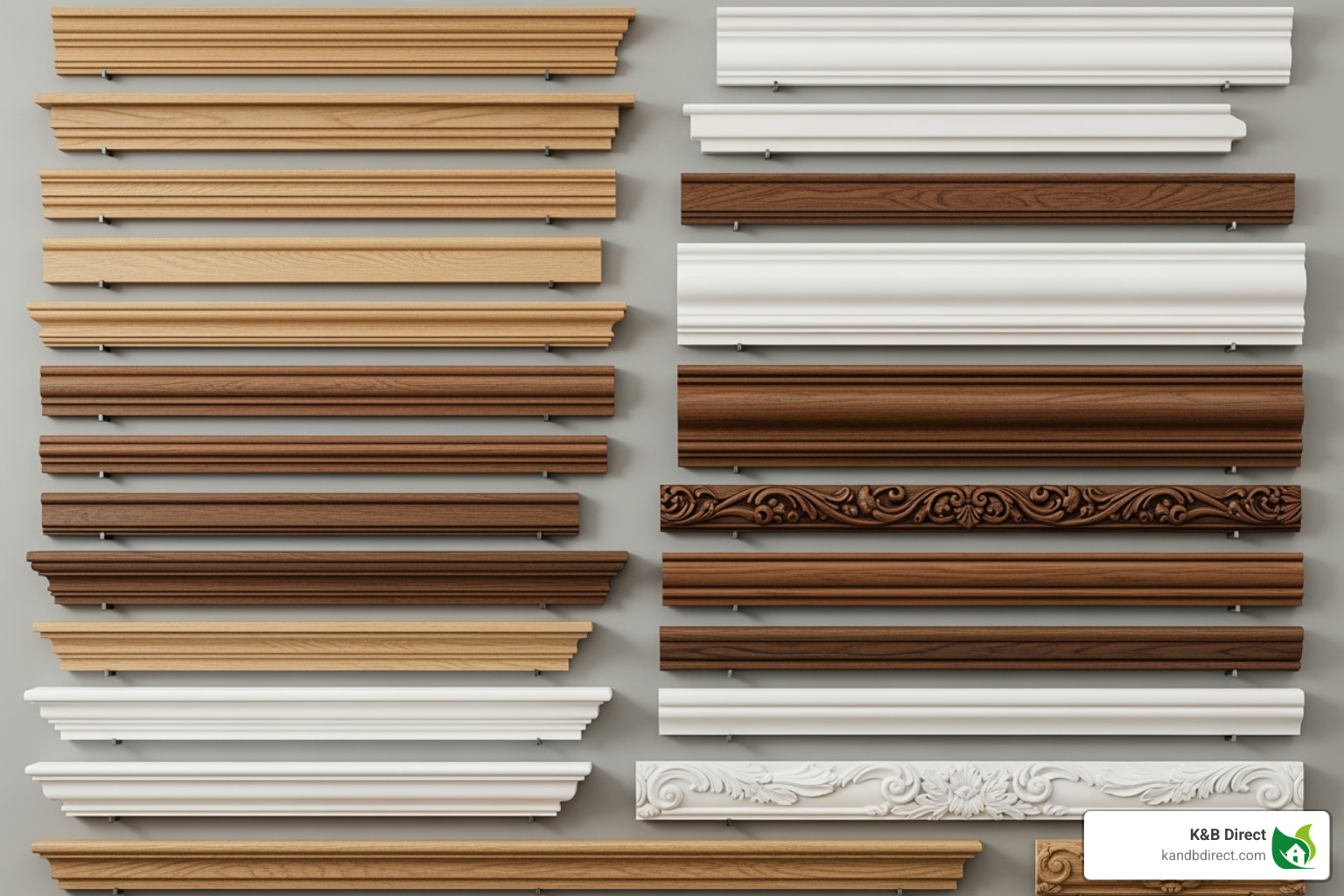
This section breaks down the most common and impactful types of moulding for your project.
Crown Moulding: The Classic Cabinet Trim
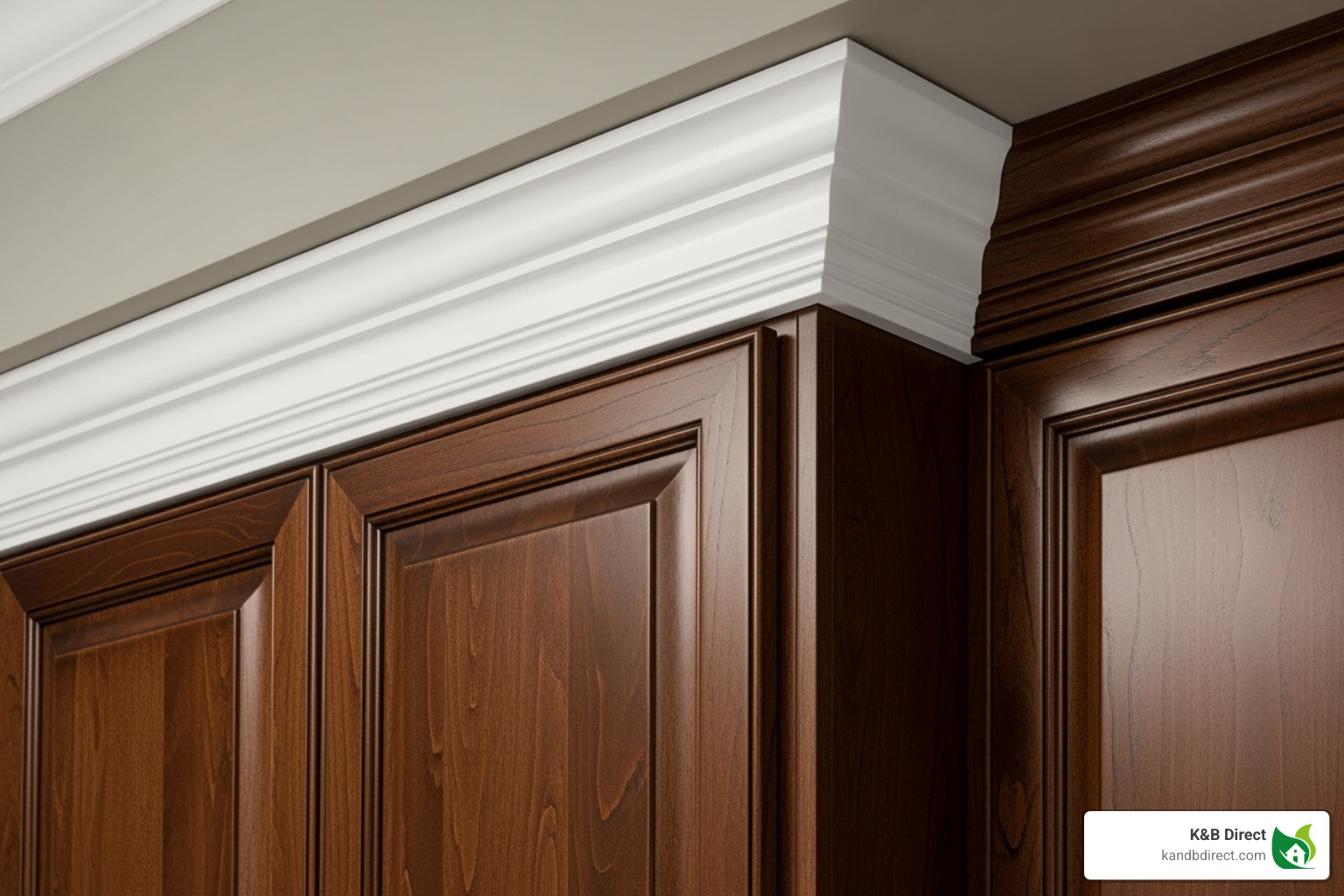
Crown molding is the undisputed king of cabinet trim. This piece is installed at the top of your wall cabinets, creating a sophisticated transition from the cabinet to the ceiling. It instantly lifts their appearance.
Crown molding isn’t just for show; it adds significant height and elegance. It can be a simple, clean line for a modern look or an intricate profile for a traditional feel. Its ability to draw the eye upward can make your kitchen feel larger and more luxurious. While originally designed to hide imperfections, today it’s primarily used to improve design and boost a home’s value.
Light Rail Moulding: Functional and Decorative

Often overlooked but incredibly effective, light rail molding is installed at the bottom of upper wall cabinets. Its primary function is to discreetly conceal under-cabinet lighting, ensuring only the illumination is visible, not the fixtures or wires.
Light rail molding also serves as a decorative edge, providing a polished finish to the underside of your cabinets. It helps reduce glare from under-cabinet lights, creating a softer ambiance. We highly recommend it for both its functional benefits and its ability to add another layer of sophistication.
Scribe Moulding: The Secret to a Flawless Cabinet Trim Fit
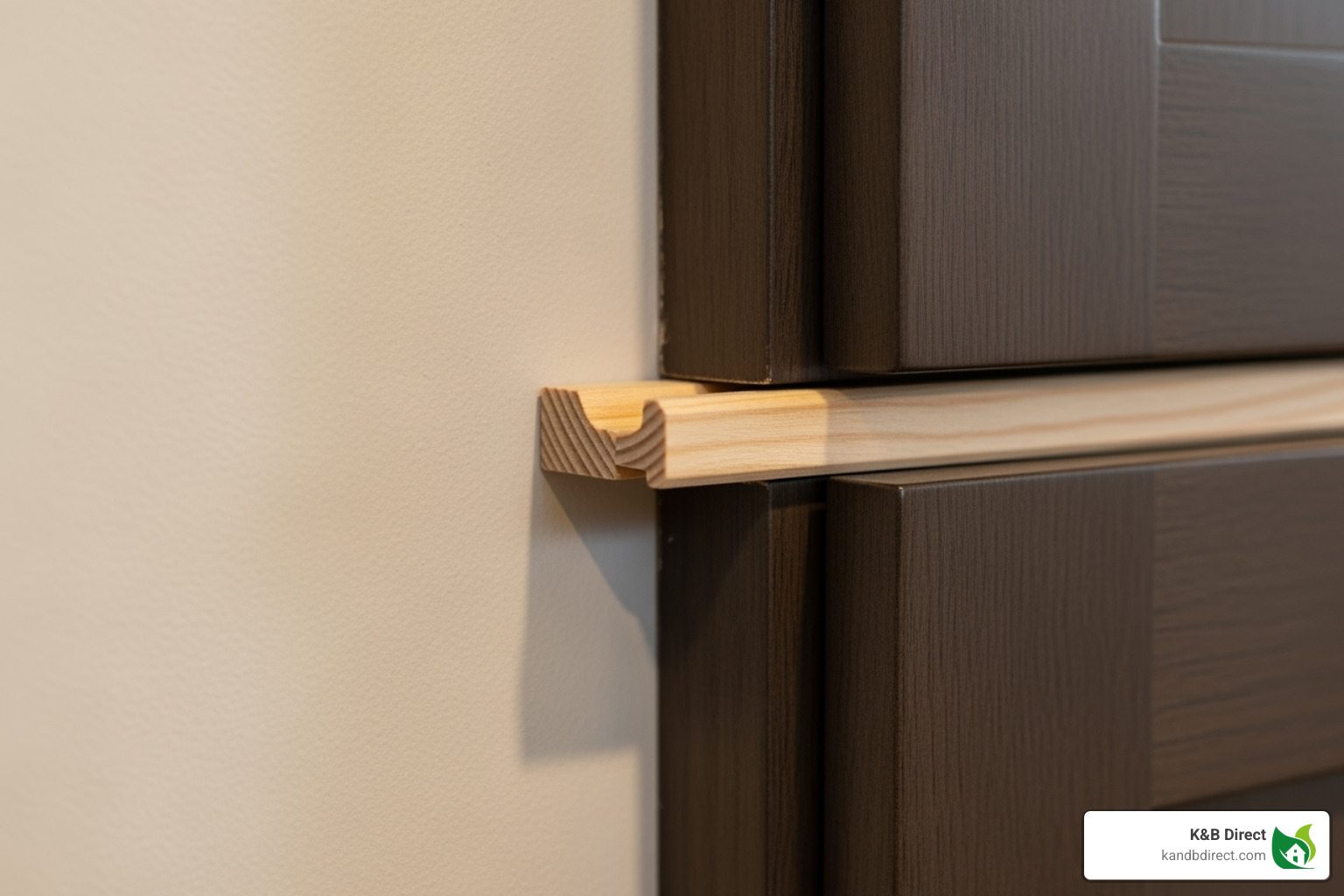
Scribe molding is the unsung hero of cabinet trim installation. This slender piece of molding is used to cover small, uneven gaps between your cabinets and adjacent walls or ceilings. It’s invaluable in homes where walls are rarely perfectly straight.
Its flexibility allows it to conform to slight irregularities, creating a seamless, custom-fit appearance that hides raw edges. Without scribe molding, minor inconsistencies would be glaring. It’s a professional secret we’re happy to share, and you can find it among our high-quality wood moulding options.
Fillers and Panels: For a Truly Custom Look
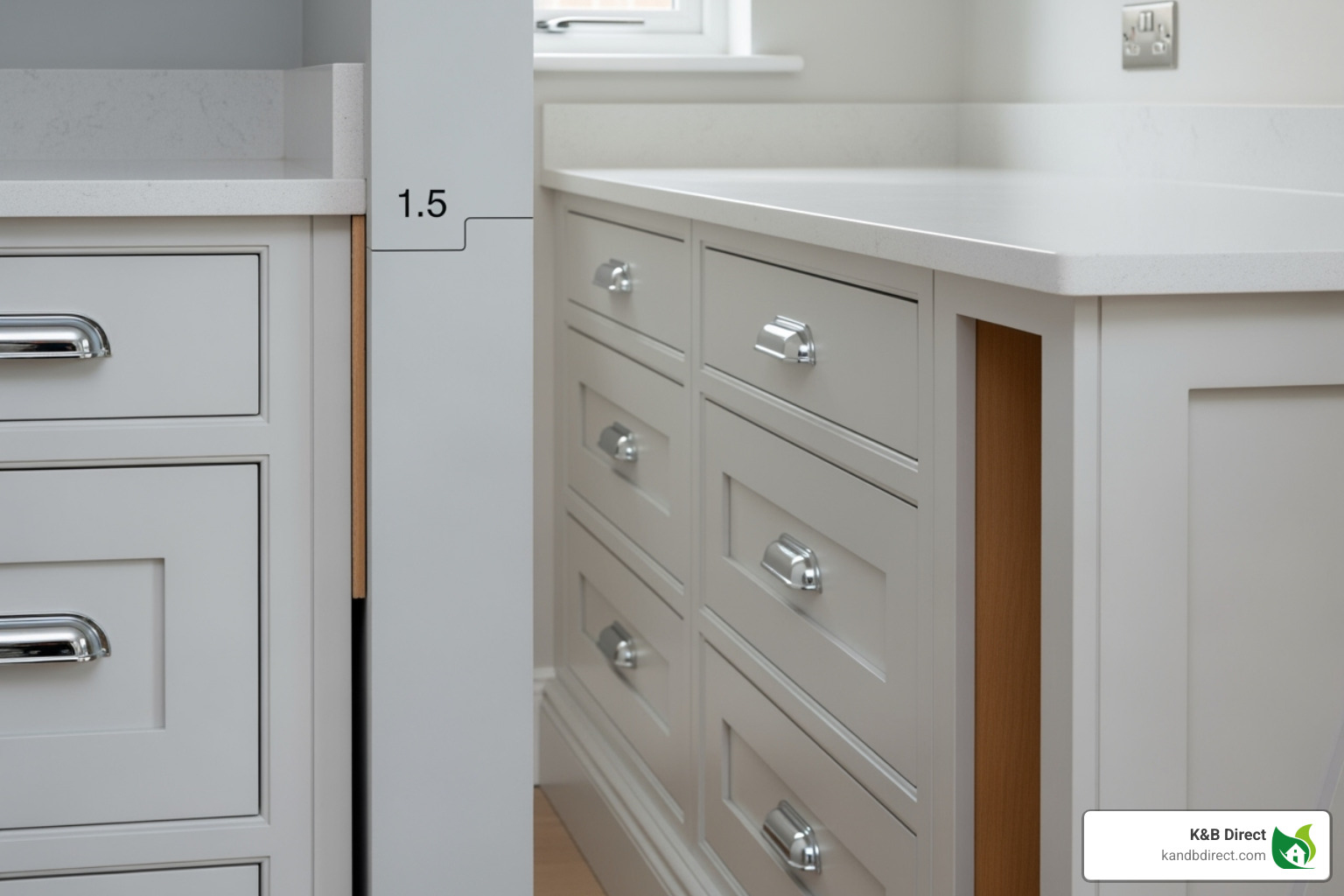
Beyond decorative moldings, fillers and panels are crucial for achieving a truly custom, built-in look.
- Vertical Fillers: These are flat pieces of wood used to fill gaps between cabinets and walls or between two cabinet units, ensuring doors and drawers operate smoothly.
- Skin Panels: Also known as finished end panels, these thin panels are applied to the exposed, unfinished sides of cabinets, giving them the look of solid furniture.
- Toe-Kicks: This molding covers the recessed, unfinished space at the bottom of your base cabinets, creating a clean line and allowing you to stand closer to your counters comfortably.
- Base Moulding: Similar to room baseboards, this can be applied to the bottom of base cabinets or islands to give them a more furniture-like feel, adding an architectural detail at floor level.
Choosing Your Style: Materials and Design Considerations
When selecting cabinet trim, you’re choosing the final touch that brings your kitchen vision together. The secret lies in understanding how materials, styles, and colors work together to create a cohesive, custom look.
| Material | Cost | Durability | Finish Options | Flexibility |
|---|---|---|---|---|
| Solid Wood | High | High (can be repaired/refinished) | Paint, Stain, Natural | Moderate (can be shaped, but not bent) |
| MDF | Low | Moderate (prone to water damage) | Paint Only (smooth finish) | Low (rigid, not for curves) |
| PVC | Moderate | High (waterproof, rot-proof, insect-proof) | Paint Only (can feel less premium) | High (some types can be heat-formed for curves) |
Matching Trim to Your Cabinet Style
Think of your cabinet trim as the perfect accessory—it should complement your cabinets without stealing the show. Your trim needs to match the personality of your cabinets.
- Shaker cabinets pair beautifully with understated crown molding or flat stock trim for a timeless look.
- Traditional raised-panel cabinets can handle more ornate or stacked crown moldings that match their classic charm.
- Modern slab doors call for sleek, simple trim with clean, square-edge profiles that don’t compete for attention.
For color, matching your trim to your cabinets creates a seamless, built-in look. However, a contrasting trim color can add drama and personality. The stained versus painted decision should align with your cabinets, too. Stained wood cabinets deserve matching stained trim, while painted cabinets look best with painted trim for a uniform finish.
Common Materials Used for Trim
Your choice of cabinet trim material affects your budget, durability, and final look.
- Solid wood is the gold standard for its beauty and durability. It can be stained or painted and repaired if damaged, but it’s the priciest option.
- MDF (Medium-Density Fiberboard) is a budget-friendly hero that provides a perfectly smooth surface for paint. It’s stable but susceptible to water damage.
- PVC is a superhero material for wet areas like kitchens and baths. It’s waterproof, rot-proof, and durable, though it cannot be stained for a natural wood look. Our PVC floor molding shows just how tough this material can be.
- Polyurethane is lightweight, moisture-resistant, and excellent for intricate, decorative profiles. It holds paint well but cannot be stained.
Common Mistakes to Avoid
After years of helping homeowners, we’ve seen a few common pitfalls. Here’s how to avoid them.
- Mismatched Styles: Don’t put ornate molding on minimalist cabinets. Ensure the trim’s style matches the cabinet’s vibe.
- Color Chaos: Always test stains on a scrap piece, as wood can take color unpredictably. Ensure paint colors for trim and cabinets match perfectly.
- Measurement Mayhem: Poor measurements lead to gaps and wasted material. Remember the carpenter’s rule: measure twice, cut once.
- Ignoring Proportions: Tall ceilings may need stacked moldings to look proportional, while low ceilings can feel cramped by oversized trim. Consider your room’s scale.
- Forgetting Functionality: Ensure your trim doesn’t block cabinet doors or interfere with appliances. Every piece should improve function, not hinder it.
- The Builder-Grade Mindset: Don’t settle for visible gaps or unfinished edges. Use trim to its full potential by caulking gaps, filling nail holes, and applying a final finish coat. These details separate amateur work from professional results.
DIY or Pro? Installation Insights for Cabinet Trim
Deciding whether to install cabinet trim yourself or hire a professional depends on your skill, the project’s complexity, and your desired finish quality.
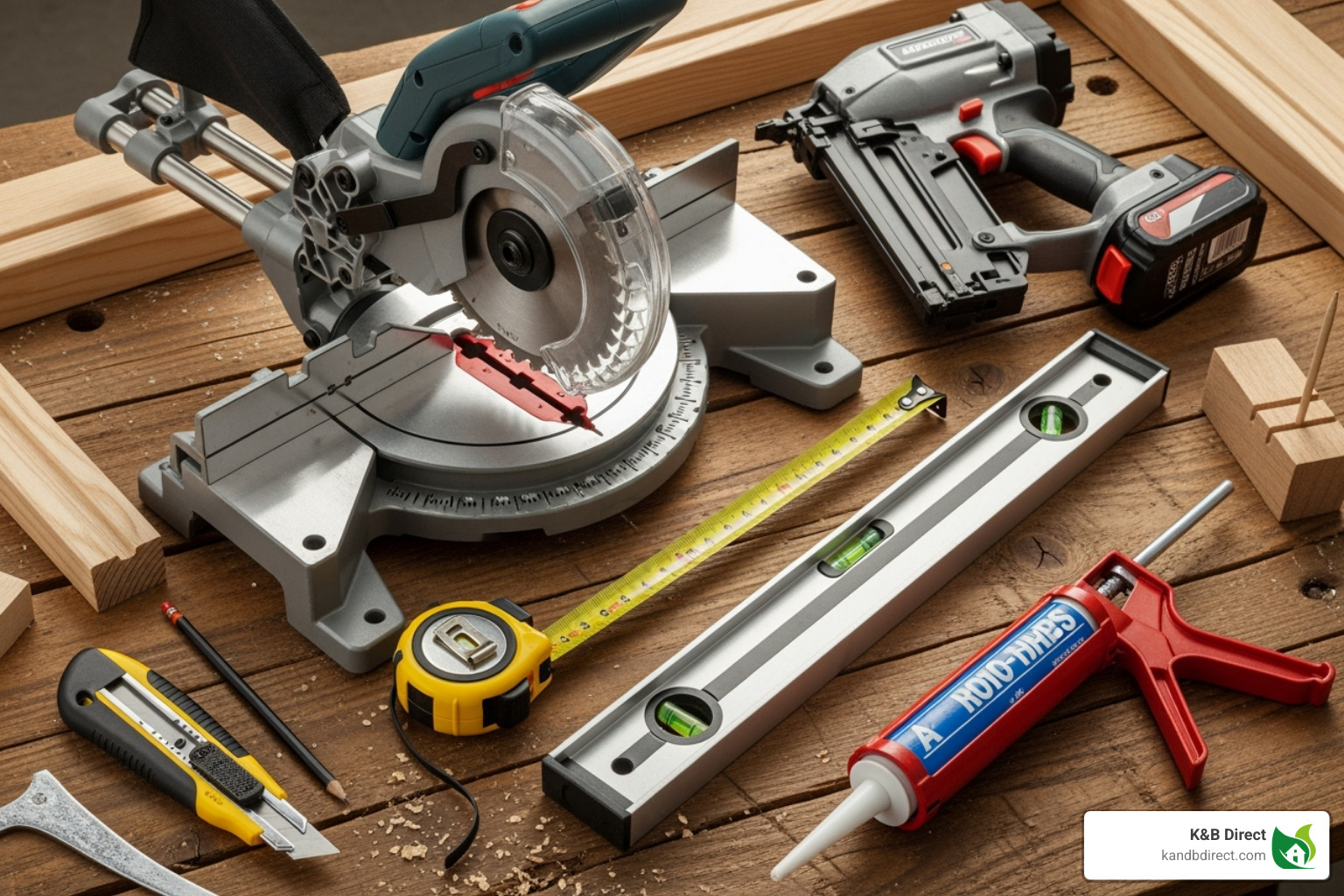
This section explores what it takes to install trim and helps you decide which path is right for you.
Can You Install Trim Yourself?
For many homeowners, installing cabinet trim is a rewarding DIY project. If you’re comfortable with basic woodworking tools and have a knack for precision, you can achieve fantastic results and save on labor costs. Adding mitered moldings to existing cabinet doors is an especially popular and achievable DIY upgrade, as highlighted in guides like HOME DZINE Kitchen | Add moulding and trim to cabinets. For a relatively low material cost, the impact is huge.
However, be honest about your abilities. Complex crown molding profiles, especially those requiring compound miter cuts, can be challenging. Uneven walls and ceilings add another layer of difficulty.
Essential Tools for the Job
If you go the DIY route, having the right tools is half the battle. Here’s what you’ll need:
- Miter Saw: Essential for precise angled cuts.
- Coping Saw: Useful for intricate inside corners.
- Nail Gun (or Hammer/Finishing Nails): A brad nailer makes installation faster.
- Measuring Tape: A reliable, accurate tape is non-negotiable.
- Level: To ensure your trim is installed perfectly straight.
- Caulk Gun: For sealing gaps between the trim and walls/ceilings.
- Wood Filler: To fill nail holes before finishing.
- Sandpaper: For smoothing cuts and preparing surfaces.
- Wood Glue: For securing mitered joints.
When to Call a Professional
While DIY is appealing, calling a professional is often the smarter choice. At K&B Direct, we know that peace of mind is worth the investment, especially for homeowners in the Chicago area and surrounding suburbs we serve.
Consider a pro for:
- Complex Designs: Intricate crown molding, stacked trim, or numerous challenging angles require an expert for a flawless result.
- Uneven Surfaces: Professionals have techniques to compensate for walls and ceilings that aren’t perfectly level.
- A High-End Finish: If you want a seamless, showroom-quality look, a professional installer will deliver the necessary precision.
- Time Constraints: A pro can save you precious time and stress on a tight schedule.
- Lack of Tools or Confidence: If you’re unsure about your skills, hiring a pro avoids frustration, wasted materials, and a subpar outcome.
Frequently Asked Questions about Cabinet Moulding
Over the years at K&B Direct, we’ve helped thousands of homeowners with their cabinet trim projects. Here are the answers to the most common questions to help you feel more confident.
What is the difference between trim and moulding?
The terms are often used interchangeably. Here’s the simple breakdown: trim is the general term for any material used to finish cabinetry, doors, or windows. Moulding is a specific type of trim that has a shaped or decorative profile, like crown molding. So, all moulding is trim, but not all trim is moulding.
How much does it cost to add trim to cabinets?
Costs vary dramatically. A simple DIY cabinet trim project might cost $100 to $500 for materials. On the other hand, professional installation with high-end solid wood moulding for a large kitchen can exceed $1,000. The material choice (MDF vs. solid wood) is the biggest factor. The good news is that even a modest investment in trim delivers incredible visual impact and a high return.
Can I add new trim to old or existing cabinets?
Absolutely! Adding new cabinet trim to existing cabinets is a fantastic way to give your kitchen a major facelift without the cost and headache of a full renovation. If your cabinets are structurally sound but look dated, new trim can work wonders.
This is often done during cabinet refacing or painting projects. Instead of replacing perfectly good cabinets, you can refresh them with new cabinet trim and paint for a fraction of the cost. New crown molding, light rail, and base trim can make old cabinets look like they were custom-built for your space.
Conclusion: Lift Your Home with the Perfect Moulding
When you look at your kitchen, it’s the finished, intentional details that catch the eye. That’s the magic of cabinet trim.
Throughout this guide, we’ve seen how cabinet trim transforms ordinary spaces. It’s not just about aesthetics; it’s about smart function. Crown molding adds height, scribe molding hides gaps, and light rail molding lifts your under-cabinet lighting. These details turn builder-grade cabinets into custom-looking features, significantly increasing your kitchen’s appeal and value.
Whether you’re updating existing cabinets or finishing a new installation, the right cabinet trim separates a good result from a great one. It’s what makes a project look professionally done, and you don’t need to spend a fortune to achieve that high-end look.
At K&B Direct, we believe creating your dream kitchen should be affordable. We’re committed to offering top-quality cabinet trim and moulding at the lowest possible prices, backed by friendly service that helps you succeed. We want every homeowner to walk into their kitchen and think, “This is exactly what I envisioned.”
Ready to transform your space? For a complete selection of high-quality trim and moulding to perfect your project, explore our extensive collection. Explore Mouldings & Millwork.