
Understanding the Timeless Appeal of Natural Wood Casing
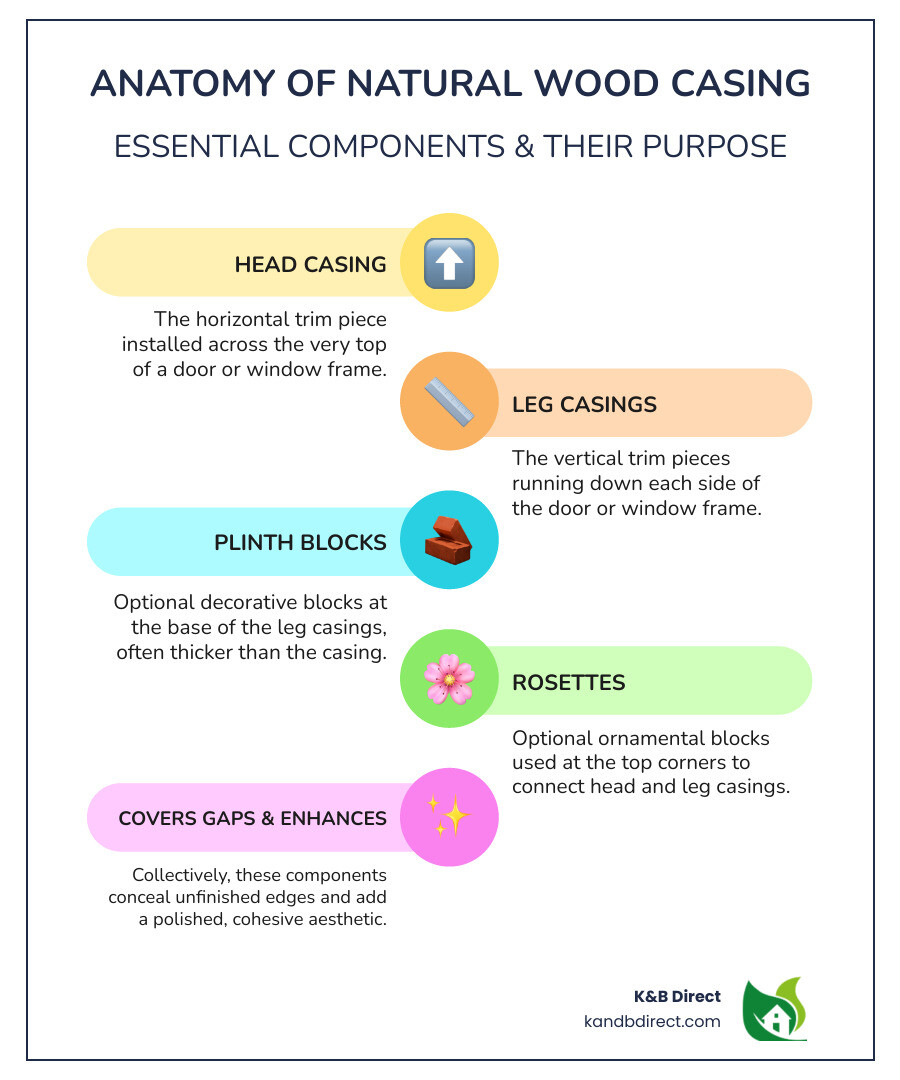
Natural wood casing serves as the perfect finishing touch for your doors and windows, seamlessly tying together architectural elements while adding warmth and sophistication to any space. This decorative trim covers the gaps between your door or window frames and walls, changing what could be an unfinished edge into a polished design element.
What Natural Wood Casing Does:
- Covers gaps between frames and drywall
- Adds visual appeal with natural grain patterns
- Provides durability that can last decades
- Increases home value through quality finishes
- Offers customization through staining or painting options
Natural wood casing goes far beyond simple functionality. As one industry expert notes, “No house ever really feels complete without some detailed wood trim or molding to finish it off.” The research shows that wood casings are known for their strength and ability to withstand daily wear and tear, and when properly maintained, they can remain beautiful and functional for decades.
Wood is still the primary material used for this type of moulding, regardless of whether it’s interior or exterior door casing. Wood’s durability remains best, giving everything a more attractive, natural look that synthetic alternatives simply cannot replicate.
I’m Eryk Piatkowski, Owner at K&B Direct, and over the past decade, I’ve helped countless homeowners transform their spaces with quality natural wood casing and millwork. My experience has shown me that the right trim selection can truly make or break a room’s overall aesthetic and feel.
The Best Appeal of Natural Wood Casing
There’s something magical about walking into a home where every detail feels just right. Natural wood casing creates that feeling – it’s not just functional trim, but a design choice that speaks to quality and timeless style.
When you choose natural wood casing, you’re choosing authenticity over imitation. Synthetic materials try their best to look like wood, but they fall short every time. Real wood brings something special that can’t be faked: unique grain patterns, natural warmth, and character that makes your home feel genuinely welcoming.
Each piece of wood tells its own story. The bold swirls in oak grain, the gentle lines in maple – these aren’t manufactured patterns, they’re nature’s artwork. This authentic beauty translates into real aesthetic value that never goes out of style. While trends come and go, wood’s timeless charm remains constant.
But the appeal goes beyond looks. Natural wood casing is also a smart financial move. Quality wood trim increases home value because buyers recognize durability when they see it. It’s an investment that pays you back, both in daily enjoyment and when it’s time to sell.
There’s also the environmental angle to consider. When sourced responsibly, wood is an eco-friendly choice – it’s renewable, unlike synthetic alternatives that rely heavily on fossil fuels. You can feel good about choosing a material that’s kinder to our planet. For background on responsible forestry practices, see sustainable forest management.
At K&B Direct, we’ve seen how the right trim transforms spaces. Our Wood Moulding collection showcases just how much difference authentic materials can make in creating your dream home.
The Beauty and Character of Wood
Picture this: you’ve just finished a room makeover, but something feels off. The walls are painted, the furniture’s in place, but the space lacks personality. This is where natural wood casing works its magic.
Wood brings sophistication without being stuffy. Those unique grain patterns we mentioned? They’re like fingerprints – no two pieces are exactly alike. The natural variations in color and texture add depth and interest that flat, uniform materials simply can’t match.
This natural beauty improves interior spaces in ways that might surprise you. In living areas, wood casing frames your windows and doors like artwork, drawing the eye and creating focal points. Your bedrooms feel cozier and more inviting with the warmth wood provides. Even home offices benefit from wood’s professional yet approachable character.
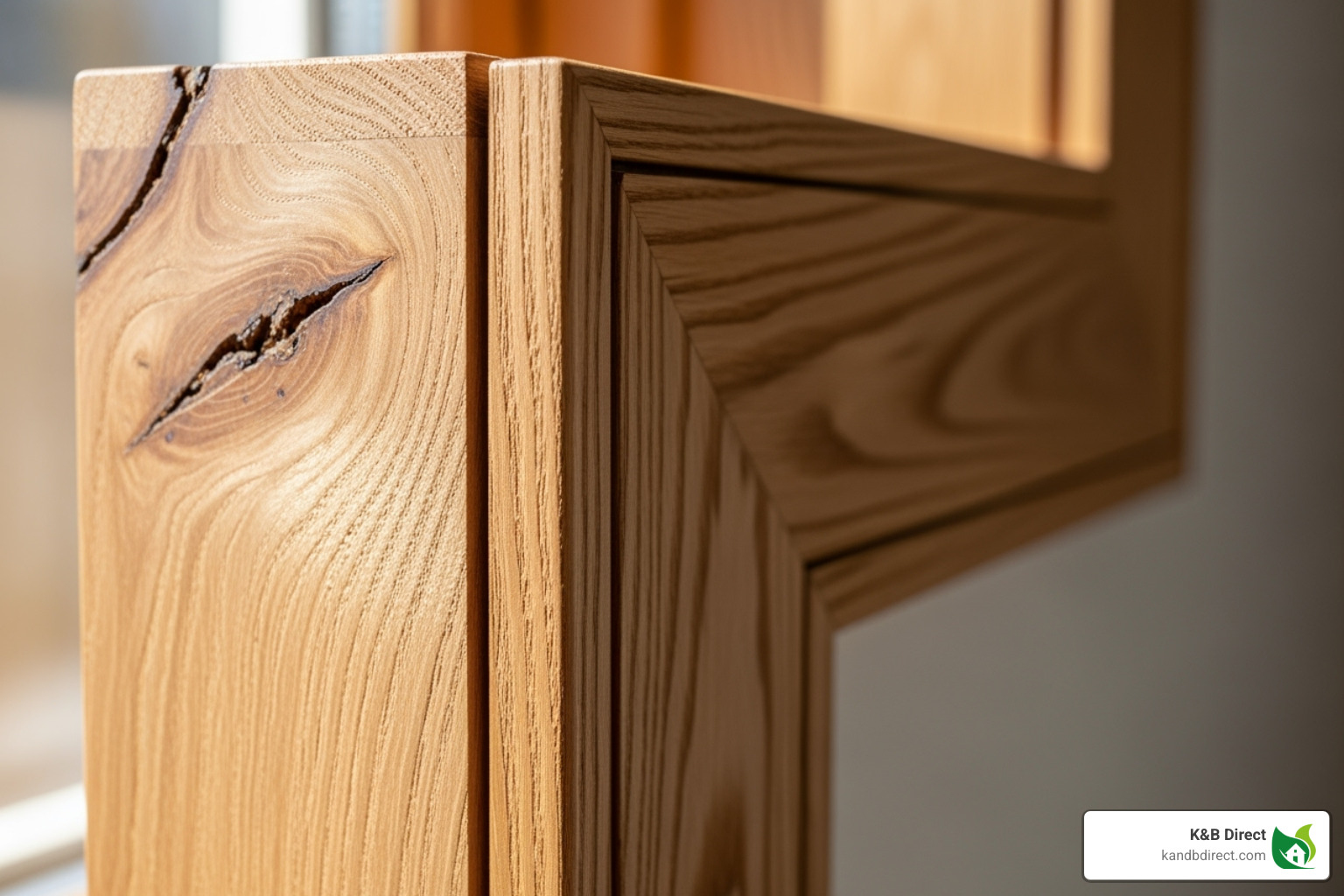
The difference is subtle but powerful. Where plain drywall edges might look unfinished, wood casing provides that polished, intentional look that makes a house feel like a carefully curated home. It’s the kind of detail that guests notice, even if they can’t quite put their finger on what makes the space feel so welcoming.
Durability and Longevity
Here’s where natural wood casing really shines – it’s built to last. We’re not talking about a few years of good looks; we’re talking about decades of function and beauty.
The strength of solid wood is remarkable. Unlike materials that chip, crack, or fade over time, quality wood casing can handle the daily bumps and scuffs that come with real life. Kids running down hallways, furniture being moved, doors opening and closing hundreds of times – wood takes it all in stride.
This resistance to daily impact means you’re making a true investment in your home. Think about it: while you might need to touch up paint or replace synthetic trim every few years, properly maintained wood casing can look great for generations. That’s real value.
The best part? Wood actually gets better with age when it’s well cared for. Minor scuffs and wear often blend into the natural grain, becoming part of the wood’s character rather than obvious damage. It’s forgiving in a way that synthetic materials just aren’t.
For areas where you need similar durability and protection, our Wall Trim options provide the same longevity and withstanding wear and tear that make wood such a smart choice for any home improvement project.
A Spectrum of Style: Wood Species and Casing Profiles
Choosing natural wood casing isn’t just about selecting a material; it’s about curating a look that reflects your personal style and complements your home’s architecture. The right combination of wood species and casing profile can completely transform a room’s aesthetic, taking it from bland and unfinished to warm and sophisticated. It’s where functionality meets artistry, allowing you to create a space that truly feels like home.
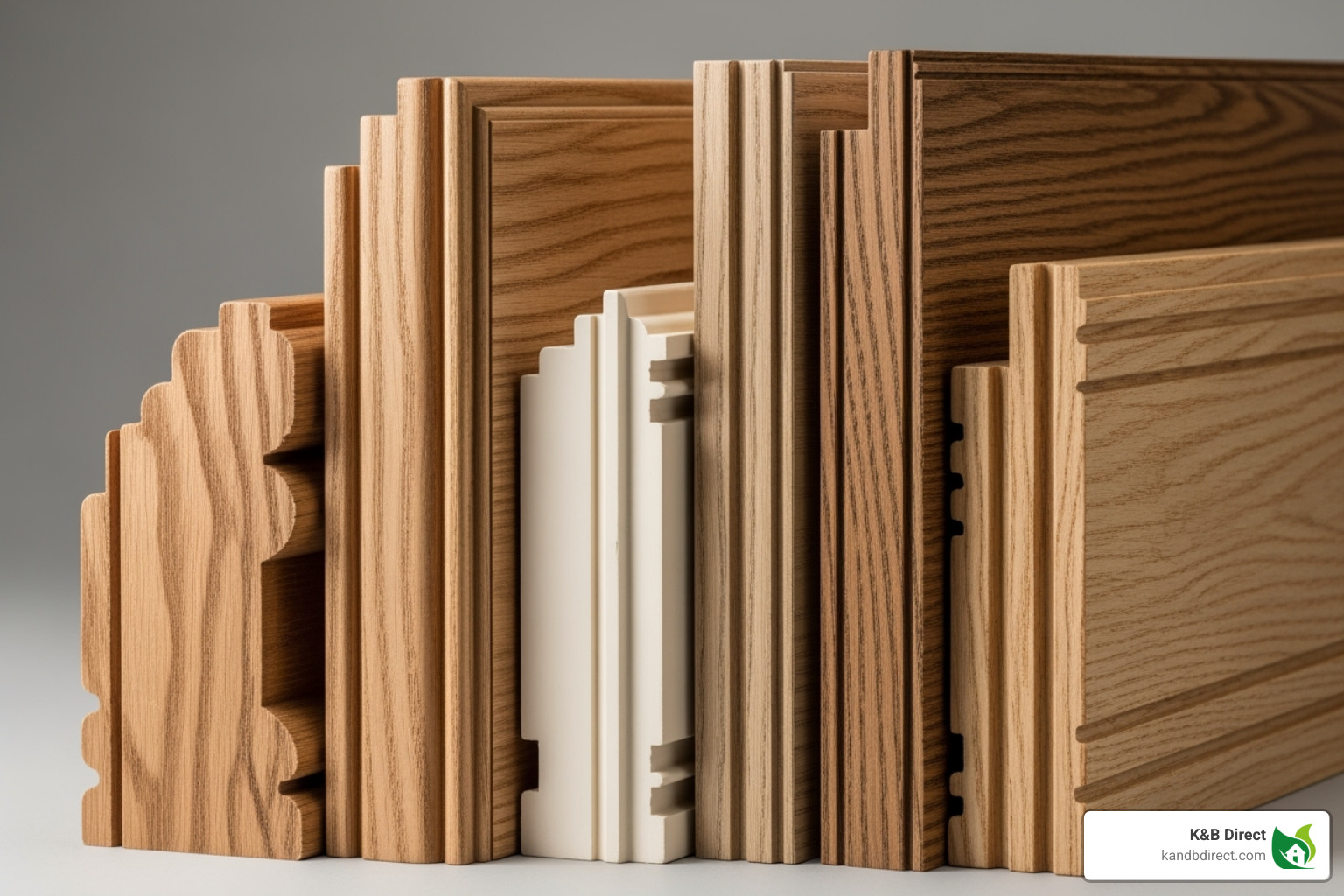
The beauty of wood lies in its incredible versatility. Different wood species offer distinct colors, grain patterns, and hardness levels, making each one perfect for different applications and desired finishes. Similarly, casing profiles range from simple and understated to elaborate and ornate, each carrying its own design language that can complement everything from colonial charm to sleek modern aesthetics.
Common Types of Wood for Casings
When selecting natural wood casing, the choice of wood species becomes the foundation of your entire project. Each type of wood brings its own personality to the table, dictating not only how your casing will look but also how it will perform and how it will accept different finishes.
Pine remains one of the most popular choices for its affordability and paintability. It’s a softer wood with a subtle grain pattern that takes paint beautifully, making it perfect for those crisp, clean looks. Knotty Pine adds character with its distinctive knots and rustic appeal, while Finger-Jointed Pine (FJP) offers the same workability as regular pine but with improved stability through its engineered construction.
Poplar stands out as an excellent middle-ground option. It’s harder than pine but still budget-friendly, with a fine, even grain that’s ideal for both painting and light staining. Many professionals love poplar because it’s easy to work with and provides a smooth, consistent finish.
For those seeking premium hardwood options, Oak brings bold, pronounced grain patterns that make a statement whether stained or left natural. Its incredible durability makes it perfect for high-traffic areas. Maple offers a more subtle grain with exceptional hardness, creating a sophisticated look that works beautifully with both traditional and contemporary designs. Cherry provides rich, warm tones that deepen beautifully over time, developing that sought-after patina that speaks of quality and craftsmanship.
The key is matching your wood choice to your vision. Softer woods like pine excel when you’re planning to paint, as they provide a smooth, even surface that showcases color beautifully. Hardwoods like oak, maple, and cherry shine when stained, as their natural grain patterns create stunning visual interest that only improves with age.
Choosing the Right Profile for Your Natural Wood Casing
The profile you choose for your natural wood casing is like selecting the perfect frame for a masterpiece – it can either improve your space’s natural beauty or completely transform its character. Each profile style carries its own architectural heritage and design philosophy.
Colonial profiles feature classic, stepped details that harken back to traditional American craftsmanship. These profiles work beautifully in homes with period architecture or anywhere you want to add a sense of established elegance. The clean lines and proportioned details create a timeless look that never goes out of style.
Craftsman-style profiles accept the beauty of visible joinery and substantial proportions. These casings often feature wider dimensions and more pronounced details that celebrate the art of woodworking itself. They’re perfect for homes that value authenticity and handcrafted quality.
Fluted and reeded profiles add texture and visual interest through their distinctive vertical lines. These profiles catch light beautifully, creating subtle shadows that add depth and dimension to your trim work. They work particularly well in spaces where you want the casing to serve as a decorative element in its own right.
Streamlined modern profiles focus on clean, geometric lines that complement contemporary architecture. These profiles often feature simple, rectangular shapes with minimal ornamentation, allowing the natural beauty of the wood to take center stage.
At K&B Direct, we offer profiles like our Casing 444, which provides a classic look with versatile styling options, and our Casing 356-FJP, which combines the stability of finger-jointed construction with timeless appeal. These profiles represent the perfect balance of quality, style, and value that makes your dream home achievable.