
Why Mid-Century Modern Doors Remain a Timeless Choice
A mid-century modern door is your home’s first impression, combining clean lines, natural materials, and geometric patterns that emerged from post-war American optimism. Here’s what defines this iconic style:
Key characteristics of a mid-century modern door:
- Clean, simple lines with minimal ornamentation
- Natural wood construction showcasing grain patterns
- Geometric window cutouts (rectangles, circles, or triangles)
- Horizontal or vertical panels emphasizing symmetry
- Sidelights and transoms for natural light
- Bold accent colors like ochre, orange, or teal
- Flush panels with a minimalist approach
Mid-century modern design arose in the 1940s, reflecting a desire to connect indoor and outdoor living through simplicity and function. These homes featured expansive windows, open floor plans, and a strong integration with nature—principles that extend naturally to door design.
The beauty of a mid-century modern door lies in its subtle elegance. Unlike ornate styles, these doors emphasize geometric shapes, natural materials, and clean lines that complement streamlined architecture. Whether you’re drawn to solid wood with warm stains, durable composites that mimic authentic wood grain, or sleek metal finishes, the style offers versatility while maintaining its signature minimalist charm.
Materials matter. Wood brings warmth and showcases natural grain patterns. Composite materials provide durability with lower maintenance. Steel delivers a modern, industrial edge. Each material can authentically capture the mid-century aesthetic while meeting your practical needs.
Your front door isn’t just functional—it’s a focal point that sets the tone for your entire home. From window cutouts that invite natural light to bold colors that make a statement, every element reflects the era’s optimistic spirit and connection to nature.
I’m Eryk Piatkowski, owner of K&B Direct, and over the past decade, I’ve helped homeowners select quality doors that balance style and function, including guiding clients through mid-century modern door choices that honor this timeless aesthetic. My team understands that finding the right door means matching your home’s architecture with your personal vision.

The Anatomy of a Mid-Century Modern Door
When we talk about a mid-century modern door, we’re discussing more than just a barrier; we’re exploring a design philosophy. This era, spanning from the 1930s to the 1970s, championed architectural harmony, prioritizing form and function. Mid-century modern homes are beloved for their sleek designs, functional layouts, and timeless appeal. This style is characterized by clean lines, open floor plans, and a profound connection to the outdoors. These core tenets extend directly to the doors, which feature natural elements and minimal ornamentation, allowing the materials and shapes to speak for themselves. The subtle elegance of a mid-century modern door complements the home’s overall streamlined aesthetic, making it an integral part of the design.
Defining Style Elements
What truly defines a mid-century modern door? It’s a combination of distinct stylistic choices that set it apart. Our research highlights several key characteristics:
- Clean Lines: This is perhaps the most fundamental aspect. Mid-century modern doors shun excessive embellishment, opting instead for crisp, uncluttered lines that emphasize simplicity. These often appear as symmetrical vertical or horizontal panels, creating a sense of order and calm.
- Geometric Patterns: The era accepted bold, geometric shapes. You’ll frequently find patterns like rectangles, circles, and triangles integrated into the door’s design, often through window cutouts or paneling. As our research notes, “peculiar shapes, such as circles and triangles, automatically add an exciting and playful feel to a door style.”
- Asymmetry: While clean lines often suggest symmetry, mid-century modern design also delighted in asymmetry. This could manifest as an off-center window cutout or a unique arrangement of panels, adding visual interest and a touch of artistic exploration without sacrificing the minimalist aesthetic. This was a deliberate departure from older, more symmetrical architectural trends.
- Flush Panels: Many mid-century modern door designs feature simple flush panels. This minimalist approach contributes to the door’s sleek appearance, allowing the material and any geometric elements to stand out without distraction.
- Horizontal Lines: Horizontal lines are a common motif, reflecting the low-slung, expansive nature of mid-century modern architecture. These lines can be integrated through paneling or window configurations, further enhancing the door’s connection to the home’s overall design.
These elements combine to create a door that is both strikingly modern and inherently timeless, reflecting the era’s focus on functionality and subtle elegance.
Core Materials: Wood, Fiberglass, and Metal
The choice of material for your mid-century modern door plays a crucial role in its aesthetic and performance. The era’s architects and designers favored materials that were both functional and beautiful, often incorporating natural elements.
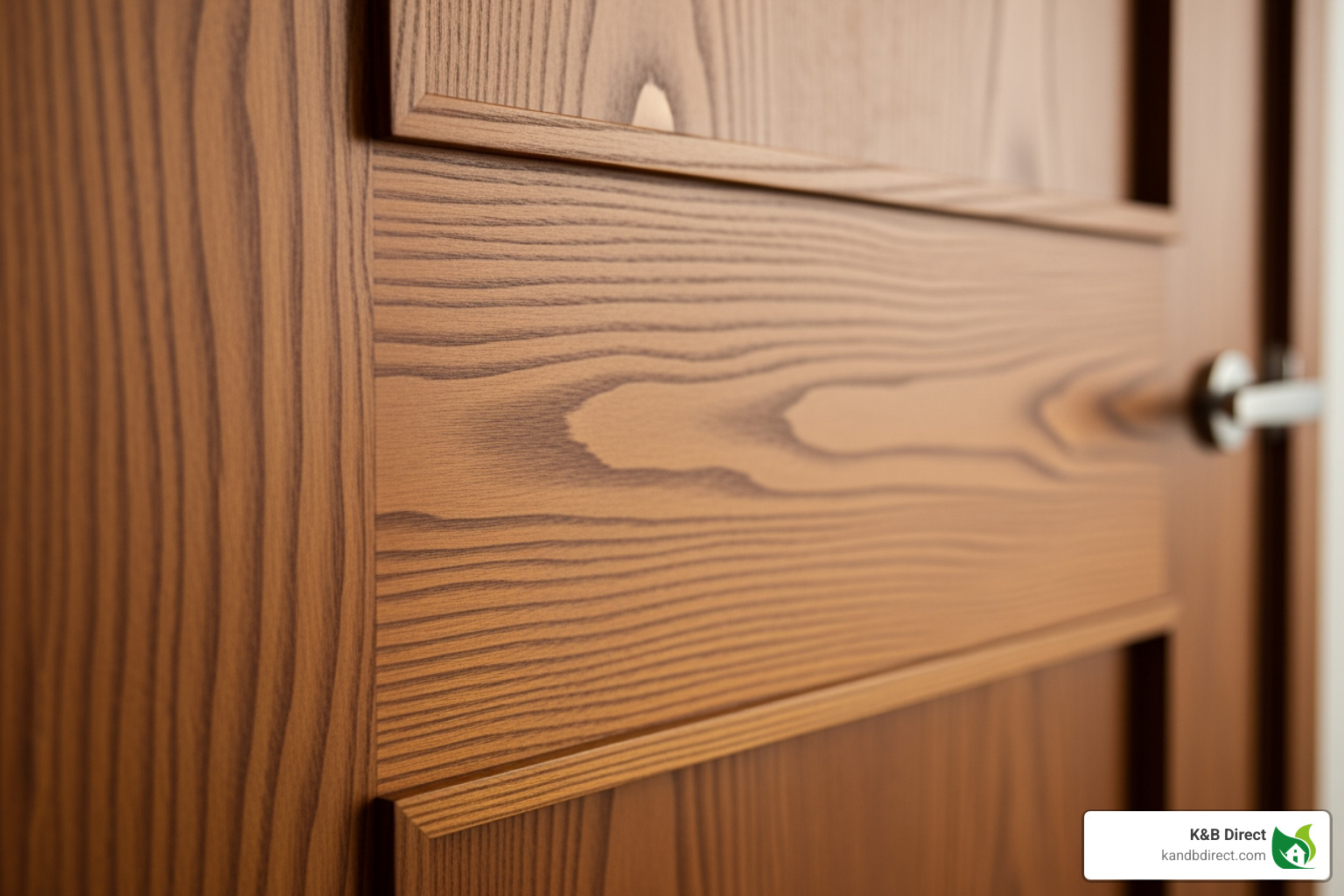
- Solid Wood: This is arguably the most authentic choice for a mid-century modern door. Solid wood, such as oak or walnut, emphasizes natural beauty and warmth. It often showcases clean, straight lines and a minimalistic look, allowing the unique grain patterns to become a feature in themselves. Our research confirms that “solid wood doors are a popular choice for mid-century modern front doors, emphasizing natural beauty and warmth.” Wood introduces a tactile quality and a connection to nature that was central to the mid-century ethos. While wood offers unparalleled warmth and character, it typically requires more maintenance than other materials, such as regular staining or painting to protect it from the elements.
- Composite: For those seeking the look of wood with improved durability and lower maintenance, composite material is an excellent option. Modern composite doors can authentically reproduce natural wood grain surfaces. This means you can achieve the rich, organic appearance of wood without the susceptibility to warping, rotting, or insect damage. Composite doors are also highly energy-efficient and offer superior insulation, making them a practical choice for the diverse climates across Illinois, from Chicago to Crystal Lake. They are a worthy alternative to steel entry doors for achieving a mid-century modern look.
- Metal (Aluminum and Steel): Metal doors, particularly those made from aluminum or steel, offer a sleek, modern look with minimal maintenance. These materials contribute to the clean lines and functional beauty that are hallmarks of mid-century architecture. Aluminum and steel are exceptionally durable and provide excellent security. They can be finished in a variety of ways to complement your home’s exterior, offering a contemporary edge while still adhering to the minimalist principles of the era. Our research notes that “aluminum and steel provide a sleek, modern look with minimal maintenance, while wood introduces warmth and versatility to the design.”
Each of these materials can be expertly crafted into a beautiful mid-century modern door, allowing us to help you select the perfect balance of aesthetics, durability, and maintenance for your home. You can explore a wide range of options, including wood and finish samples, to ensure your choice aligns with your vision.
Exterior vs. Interior: A Tale of Two Doors
While the front door often captures the most attention, the principles of mid-century modern design extend beautifully to interior doors.
Your front door, or main entrance door, serves as a crucial focal point. It’s the first impression your home makes, significantly impacting its curb appeal and setting the tone for what lies within. As our research points out, “front doors form a major part of a home’s facade and make one of the first big impressions.” A thoughtfully chosen mid-century modern door immediately communicates your home’s style and your appreciation for timeless design. These doors frequently feature clean lines, a natural wood appearance, window cutouts, and sidelights, all working together to create a welcoming and stylish entry. We offer a wide selection of Mid-Century Modern Entry Doors to transform your home’s exterior.
Interior doors, on the other hand, are essential for maintaining style continuity throughout your home. They contribute to the seamless connection between spaces and the open floor plans characteristic of mid-century modern homes. In areas like Lombard, Wilmette, and Barrington, Illinois, homeowners often seek interior doors that blend functionality with the era’s aesthetic.
- Flush Interior Doors: These are the most common and versatile choice, mirroring the clean, minimalist approach of exterior doors. They can be painted in subtle earth tones or bold accent colors, or finished with natural wood veneers to extend the warmth of wood throughout your living spaces.
- Barn Doors: While often associated with rustic styles, barn doors with clean lines and minimalist hardware can be adapted to a mid-century modern aesthetic, especially when crafted from natural wood or painted in a period-appropriate color. They offer a space-saving solution and a unique design element that can improve the fluidity of an open floor plan. You can even find Mid-Century Modern – Barn Doors that fit this style.
- Louvered Doors: For spaces requiring ventilation while maintaining privacy, louvered doors can be a stylish option. Modern interpretations of louvered doors, with their clean lines and geometric slats, can seamlessly integrate into a mid-century modern interior, offering both function and a touch of classic elegance. We see their popularity in our local areas, including Chicago.
- 8-Foot Interior Doors: Taller 8-foot interior doors can improve the sense of openness in a mid-century modern home. They emphasize vertical lines and can maximize natural light, creating an expansive and stylish aesthetic, as often seen in homes across Illinois.
Whether you’re looking for an impactful exterior statement or subtle interior elegance, we have the doors to help you achieve a cohesive and stunning mid-century modern aesthetic throughout your entire home.
Key Design Features That Define the Era
The allure of a mid-century modern door isn’t just in its overall appearance; it’s in the thoughtful integration of signature elements that contribute to light integration, visual interest, and seamless transitions. These architectural details are what truly make these doors stand out.
The Role of Lites and Geometric Patterns
A distinctive feature of a mid-century modern door is the strategic use of lites, or window cutouts, arranged in geometric patterns. These serve the vital function of inviting natural light into the home while maintaining privacy.
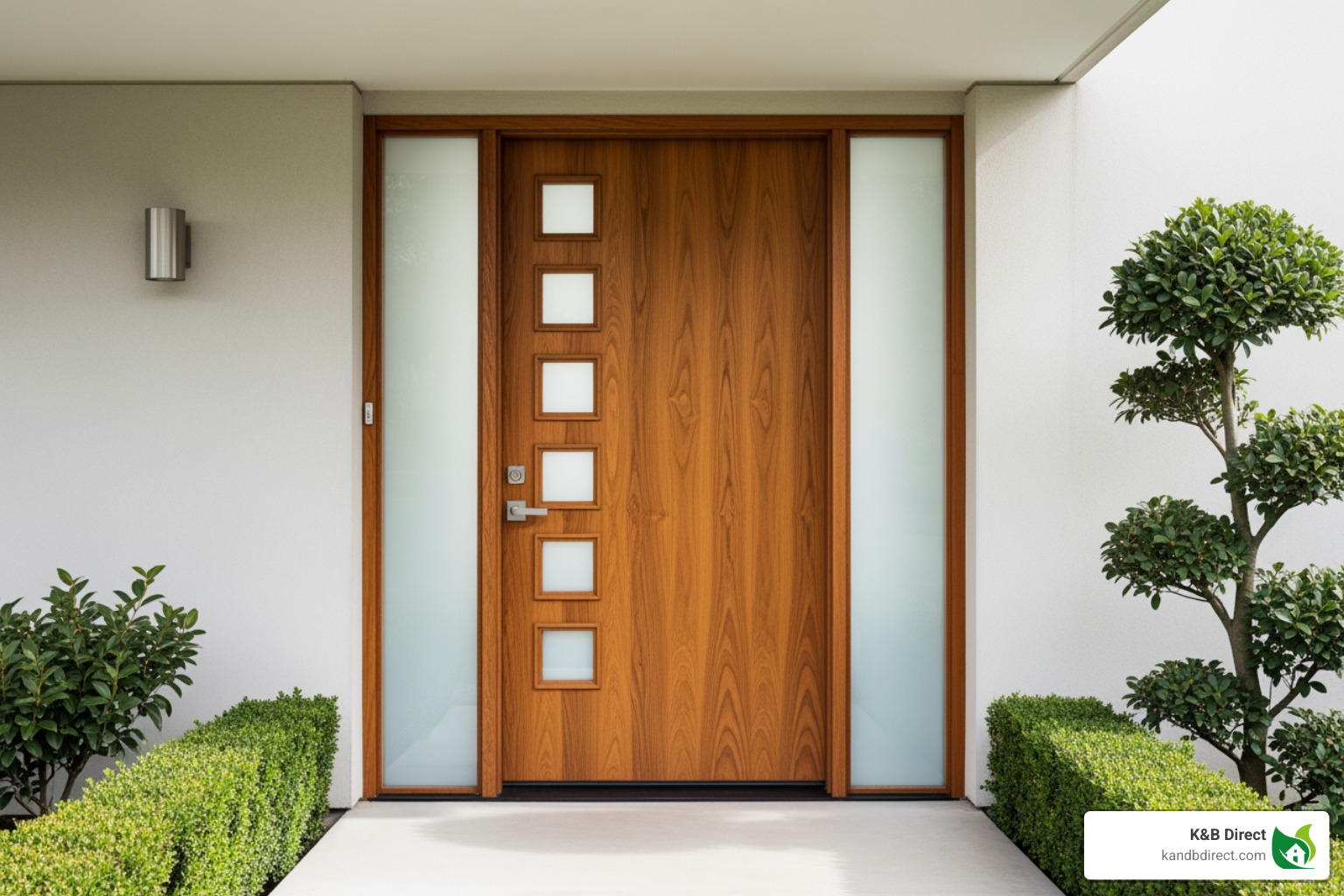
- Window Cutouts: Instead of large, expansive transparent panels, these doors frequently feature smaller, thoughtfully placed window cutouts. These can be:
- Rectangular Lites: Long, vertical or horizontal rectangular insets are common, contributing to the door’s clean lines and contemporary feel.
- Circular Vision Panels: A circular window can add a wonderfully retro and playful touch, creating a unique focal point.
- Grid-Pattern Lites: Patterns of small, grid-like window lites are also popular, evoking a sense of modular design.
- Triangular Panels: For a more dynamic and geometric look, triangular panels can be incorporated, adding depth and visual intrigue.
- Frosted or Patterned Glazing: To balance natural light with privacy, many mid-century modern door lites feature frosted, clear, or patterned glazing. Frosted glazing allows light to filter through while obscuring direct views, perfect for entryways. Patterned glazing adds another layer of decorative interest. Our research highlights that popular glazing styles for these doors include frosted, clear, or patterned designs. These decorative panels are used for visual interest and to maximize natural light.
These carefully considered lites and geometric patterns are a hallmark of the mid-century modern door, creating a captivating interplay of light and form.
Sidelights and Transoms: Inviting in the Light
Beyond the door itself, sidelights and transoms are common features that significantly improve the mid-century modern entryway, further blurring the lines between indoor and outdoor living.
- Sidelights: These are stationary, narrow transparent inserts placed vertically along one or both sides of the front door. Research defines them as stationary, narrow inserts featured vertically beside the front door as part of the frame assembly. They are common in mid-century designs for adding light to entryways. Sidelights allow more natural light to flood the entryway and make the entrance appear larger, accentuating the door’s clean lines. They can feature clear glazing for maximum light or frosted glazing to improve privacy.
- Transoms: A transom is a window panel positioned above the door. Like sidelights, transoms bring additional natural light into the home. In mid-century modern design, transoms often feature minimalist designs, sometimes with geometric patterns or simple clear glazing to complement the door below.
Together, sidelights and transoms play a crucial role in creating a bright, welcoming, and open entryway that is characteristic of the mid-century modern aesthetic. They reflect the era’s focus on maximizing natural light and integrating with nature, providing inspiration for homeowners looking to improve their entryways. You can find many stunning examples of Mid-Century Modern Entry Doors with side windows and transoms, including options for homes in Wilmette, Illinois.
The Modern Appeal of Pivot Doors
For those seeking a truly grand and contemporary entrance that perfectly aligns with mid-century modern aesthetics, pivot doors are an increasingly popular choice.
- Unique Hinge Mechanism: Unlike traditional hinged doors, a pivot door rotates on a set of pins located at the top and bottom of the door, offset from the door frame. This unique mechanism allows for a smooth, effortless operation, creating a sophisticated and modern experience.
- Grand Entrances: Pivot doors are particularly suited for larger openings, making a striking architectural statement. Their ability to handle greater widths and heights than conventional doors allows for expansive entryways that emphasize the open, airy feel of mid-century modern homes. Research points out that pivot doors, with their modern aesthetics and smooth operation, blend with mid-century modern style for larger openings.
- Modern Aesthetic: The clean lines and minimalist hardware typically associated with pivot doors perfectly complement the sleek, uncluttered aesthetic of mid-century modern design. They embody a sense of understated luxury and architectural innovation.
- Suitability for Large Openings: If your home features a spacious entryway, a pivot door can be an exceptional choice, creating a dramatic focal point that is both functional and visually stunning. We offer a range of Mid-Century Modern Entry Doors that include pivot door options, perfect for changing your home’s facade.
Pivot doors demonstrate that modern engineering can seamlessly integrate with a classic design sensibility, offering a breathtaking entry solution for your mid-century modern home.
Selecting the Perfect Mid-century Modern Door for Your Home
Choosing the right mid-century modern door is an exciting journey that allows for architectural cohesion and personal expression. It’s about balancing aesthetics with performance to create a statement that truly reflects your home’s character. We believe in helping you realize your dream home aesthetics, and selecting the perfect door is a significant step in that process.
Complementing Your Home’s Architecture
The key to choosing the right mid-century modern door is ensuring it harmonizes with your home’s existing architecture. This means aligning the door’s look with your home’s style.
- Matching Your Home’s Existing Lines: Mid-century modern homes are known for their clean lines, often featuring flat or low-pitched roofs, expansive windows, and open floor plans. Your door should echo these elements, avoiding overly ornate or traditional designs.
- Natural Materials and Recessed Entrances: Many mid-century homes incorporate natural materials like stone or wood siding. A wood mid-century modern door will naturally complement these textures. If your home has a recessed entrance, a wood door can add warmth and a natural look, creating an inviting transition.
- Harmonizing with Exterior Features: Consider the color of your home’s exterior, landscaping, and other architectural details. The door should improve these elements. This approach ensures your mid-century modern door feels like an integrated part of your home.
Whether your home is in Glen Ellyn, Schaumburg, or any of our other Illinois locations, we can help you find a door that truly complements its unique mid-century modern character.
The Impact of Color and Finishes
Color and finishes play a pivotal role in defining the character of your mid-century modern door. The era was known for a balanced palette, combining natural tones with vibrant accents.
- Earth Tones and Natural Wood Stains: For a classic and understated look, earth tones and natural wood stains are ideal. Research indicates that colors are usually subtle, consisting of earth tones and neutral shades. Wood finishes or neutral hues like brown and gray provide warmth and harmony. These choices allow the natural beauty of the wood grain to shine through, creating a warm and inviting entrance.
- Bold Accent Colors: If you’re looking to make a statement, the mid-century era also accepted vibrant “pops of color.” Think ochre, mustard yellow, teal, or orange. These bold hues can transform your front door into a striking focal point, adding a playful and optimistic touch that was characteristic of the period. Our research notes that “vibrant colors like teal, orange, or avocado green add a playful touch.” When choosing a bold color, consider coordinating it with other outdoor elements, such as planters or outdoor seating, for a cohesive look.
- Matte or Satin Finishes: Regardless of the color, matte or satin finishes are often preferred for mid-century modern doors. They provide a polished yet understated look that aligns with the era’s minimalist aesthetic, avoiding the overly glossy appearance that might feel out of place.
The right color and finish can lift your mid-century modern door from a functional item to a true design feature, reflecting your personal style and the spirit of the era.
Finishing Touches: Hardware and Accessories
The hardware you choose for your mid-century modern door is the jewelry that completes its look. It can significantly improve the mid-century modern aesthetic, providing those crucial finishing touches.
- Sleek Door Pulls: Opt for minimalist and sculptural door pulls rather than ornate knobs. Long, linear pulls or those with a subtle curve are excellent choices, emphasizing the door’s clean lines.
- Minimalist Handles: If a lever handle is preferred, choose one with a simple, unadorned design. The goal is to integrate the hardware seamlessly so it complements the door without overpowering it.
- Brass and Chrome Finishes: The mid-century era favored metals like brass and chrome. Brushed or satin brass can add warmth and a touch of vintage elegance, while polished chrome offers a sleek, modern, and sophisticated feel. Our research notes that “hardware finishes like brass or chrome, and various wood stains, offer customization.”
- Starburst Backplates: For a truly iconic mid-century touch, consider a starburst-patterned backplate behind your door pull. This small detail can make a big impact, echoing the atomic age designs popular during the period.
The right hardware should feel integrated, enhancing the door’s inherent design rather than competing with it. We can help you select door hardware that perfectly complements your chosen mid-century modern door.
Considering Modern Performance and Efficiency
While aesthetics are paramount, a modern mid-century modern door must also meet today’s standards for performance and energy efficiency. We understand that homeowners in Illinois, from Franklin Park to Lake Zurich, need doors that can withstand diverse weather conditions while keeping energy usage down.
- Energy-Efficient Options: The good news is that you don’t have to sacrifice style for efficiency. Modern manufacturing techniques allow for mid-century modern door designs that are highly energy-efficient.
- Advanced Composite Frames: Look for doors with frames made from materials like advanced composites. These offer improved thermal performance compared to traditional wood or metal frames, reducing heat transfer.
- Improved Insulation: The core of the door plays a significant role in its insulation value. High-quality mid-century modern doors often feature advanced insulating materials within their construction to minimize heat loss or gain.
- Double-Pane Glazing and Low-E Coatings: For doors with window lites, double- or triple-pane glazing is essential for thermal efficiency. Furthermore, Low-emissivity (Low-E) coatings on the panes help regulate heat transfer, keeping your home warmer in winter and cooler in summer. Research confirms that modern solutions like double- or triple-pane glazing can improve insulation and lower energy consumption. Low-emissivity (Low-E) coatings on the panes help regulate heat transfer.
By choosing energy-efficient options, you can enjoy the timeless style of a mid-century modern door without compromising on comfort or facing high utility bills. We are committed to offering quality products that meet both your aesthetic and practical needs.
Frequently Asked Questions about Mid-Century Modern Doors
We often hear questions from homeowners interested in incorporating this iconic style into their homes. Here are some of the most common inquiries about mid-century modern doors:
What are the most recognizable features of a mid-century modern door?
The most recognizable features are clean, simple lines, geometric shapes (like rectangles or circles) in the door or its window lites, the use of natural wood, and often bold, optimistic colors. They focus on minimalism and functionality over ornate decoration. Key elements include flush panels, horizontal or vertical lines, and a lack of fussy ornamentation. Sidelights and transoms are also common, inviting natural light and enhancing the entry’s sense of openness.
What materials are best for achieving the mid-century modern look?
Solid wood is the most authentic material, prized for its warmth and natural grain. It emphasizes natural beauty and a minimalistic look. However, modern composites can expertly mimic wood textures while offering improved durability, lower maintenance, and better energy efficiency. Steel and aluminum also provide a sleek, modern look with minimal maintenance, offering a more industrial interpretation of the style. The choice often comes down to balancing authentic aesthetics with performance and maintenance preferences.
Are there options for different climates and weather conditions?
Yes, modern versions of mid-century doors are built with performance in mind. Look for options with advanced core materials for insulation, robust weatherstripping, and energy-efficient glazing (such as double or triple-pane units with Low-E coatings) to ensure your door is both stylish and suitable for your climate. Composite and steel doors, in particular, offer excellent durability and weather resistance with minimal upkeep, making them ideal for the varying conditions across Illinois. We prioritize offering doors that combine timeless style with modern functionality for lasting performance.
Your Timeless Entryway Awaits
The mid-century modern door is more than just an entryway; it’s a statement, a nod to an era of optimistic design, and a testament to enduring style. Its clean lines, geometric patterns, natural materials, and thoughtful integration of light continue to captivate homeowners today. This guide has explored what defines a mid-century modern door, the materials that bring it to life, and the key design features that make it so distinctive. We’ve also discussed selecting the perfect door to complement your home’s architecture, the impact of color and finishes, and the importance of modern performance and efficiency.
At K&B Direct, we believe that your home should reflect your unique taste and vision. We’re proud to offer high-quality doors that blend classic design with modern living, helping you realize your dream home aesthetics. Whether you’re in Chicago, Lombard, Franklin Park, or any of our other Illinois locations, our friendly service and unbeatable selection ensure you’ll find the perfect mid-century modern door to open up the style of your home.
Your journey to a beautifully designed home begins at the front door. We’re here to help you make that first impression count.