
Showing the Art of Architectural Trim
When it comes to enhancing your home’s interior, types of moulding play a surprisingly powerful role. These decorative and functional elements, often called trim or millwork, transform plain walls into spaces with character and refined detail. They’re not just about aesthetics; moulding also serves practical purposes like concealing gaps and protecting surfaces.
Here are some of the most common types of moulding:
- Crown Moulding: Adorns the intersection of walls and ceilings.
- Casing: Frames doors and windows, covering gaps.
- Baseboard: Hides the joint where walls meet floors and protects wall bases.
- Chair Rail: Installed horizontally on walls, it protects against furniture and adds decorative division.
- Picture Rail: Positioned high on walls, it allows for hanging art without damaging the surface.
- Wainscoting: Decorative paneling covering the lower portion of a wall.
- Quarter Round/Shoe Mould: Small, curved trim typically used at the base of baseboards.
Moulding is a budget-friendly way to add value and beauty, making rooms feel more intimate, more elaborate, or simply more finished. It can truly lift a space with minimal investment.
I’m Eryk Piatkowski. As an owner at K&B Direct, I’ve spent over a decade helping homeowners and professionals choose the right types of moulding to create beautiful, functional spaces within their budget. I’m excited to share my knowledge to help you understand the vast world of moulding and make informed choices for your home.
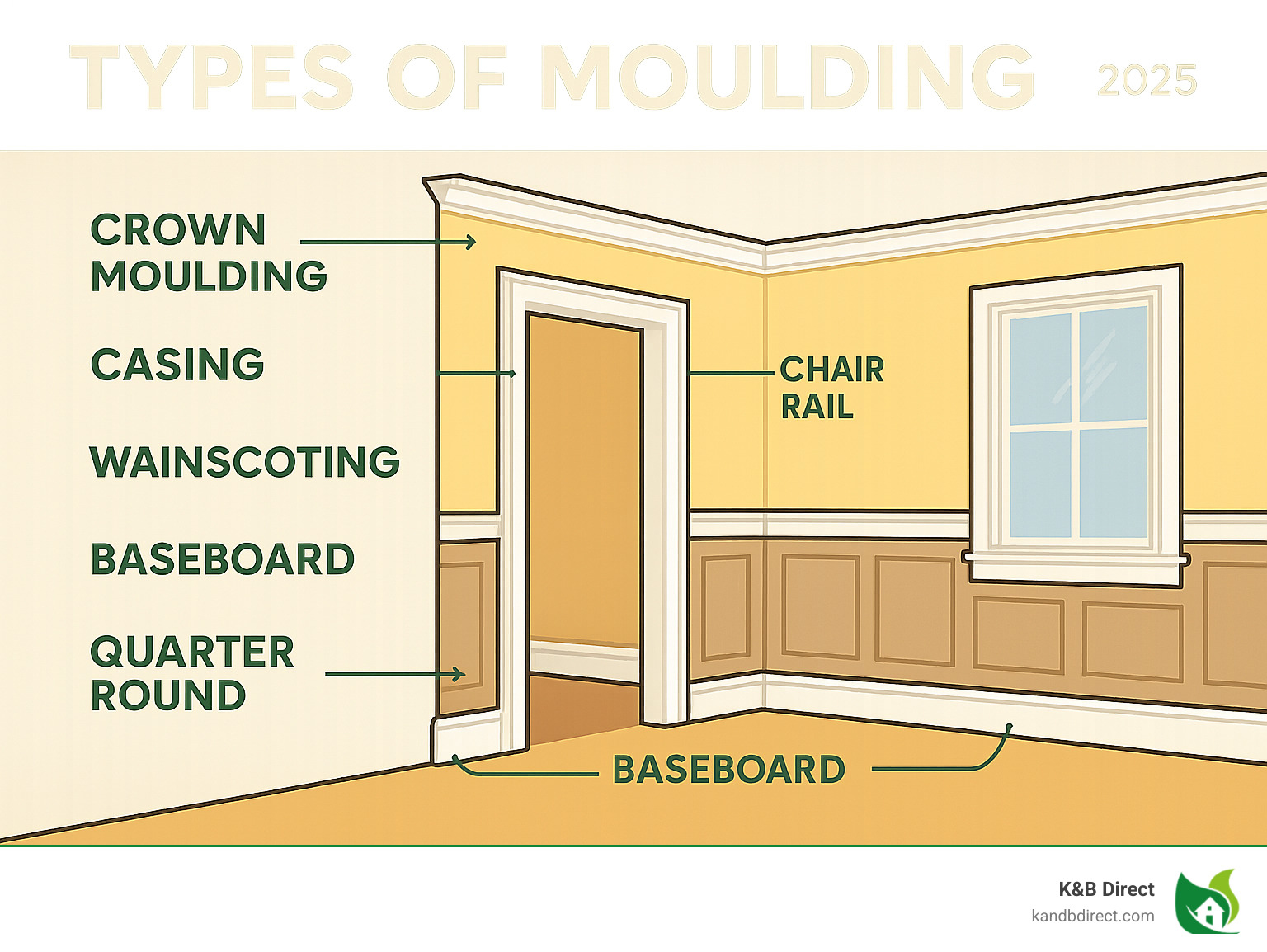
Easy types of moulding glossary:
A Comprehensive Guide to the Main Types of Moulding by Application
This guide explores types of moulding based on their application, detailing the specific role each type plays in your home’s design.
Ceiling Moulding: The Crowning Touch
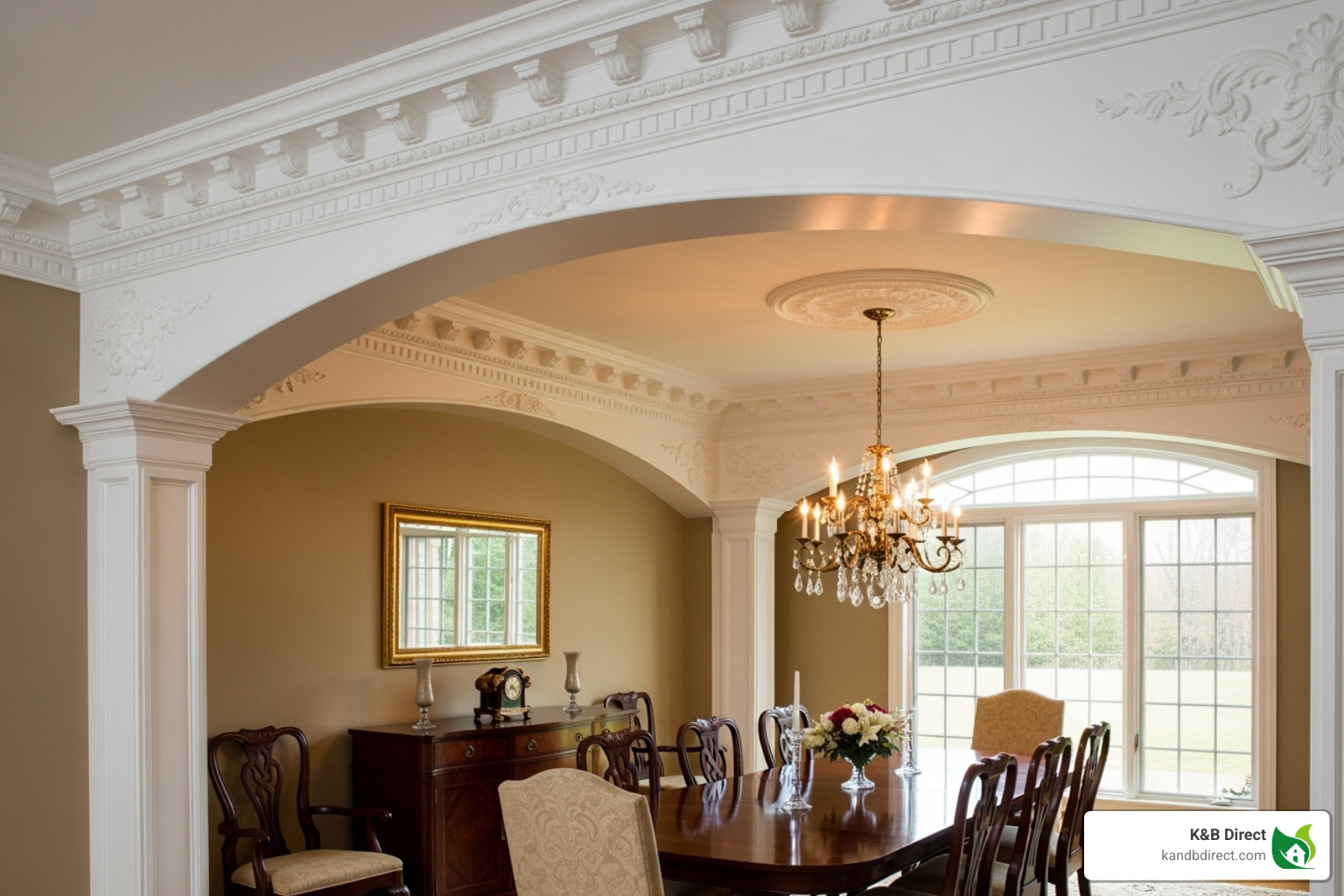
Ceiling moulding adds grandeur by creating a polished transition between walls and the ceiling. It softens sharp corners, making a room feel more complete.
The most recognized ceiling moulding is Crown Moulding. This classic profile is installed where the wall meets the ceiling. Crown moulding comes in a variety of designs, from simple curves to intricate profiles. A good rule of thumb is that larger, taller rooms require wider crown moulding to maintain proportion. A substantial crown moulding can make a statement in a grand room with high ceilings, adding a sense of luxury.
Beyond the classic crown, other types of moulding for ceilings include:
-
Cove Moulding: Similar to crown moulding but with a simpler, concave shape. It’s a more subtle option for softening the wall-to-ceiling transition, working well in less formal spaces or with a minimalist aesthetic. It’s an accessible and affordable option for many homeowners.
-
Dentil Moulding: This decorative, traditional style is characterized by a series of small, rectangular blocks (“dentils”). Often seen in classical architecture, it adds a refined detail to a space. It’s typically part of a larger cornice or crown moulding and is more intricate and expensive to install than simpler profiles.
No matter the material, these mouldings add elegance, define the space, and can improve how tall and spacious your room feels.
Essential types of moulding for walls
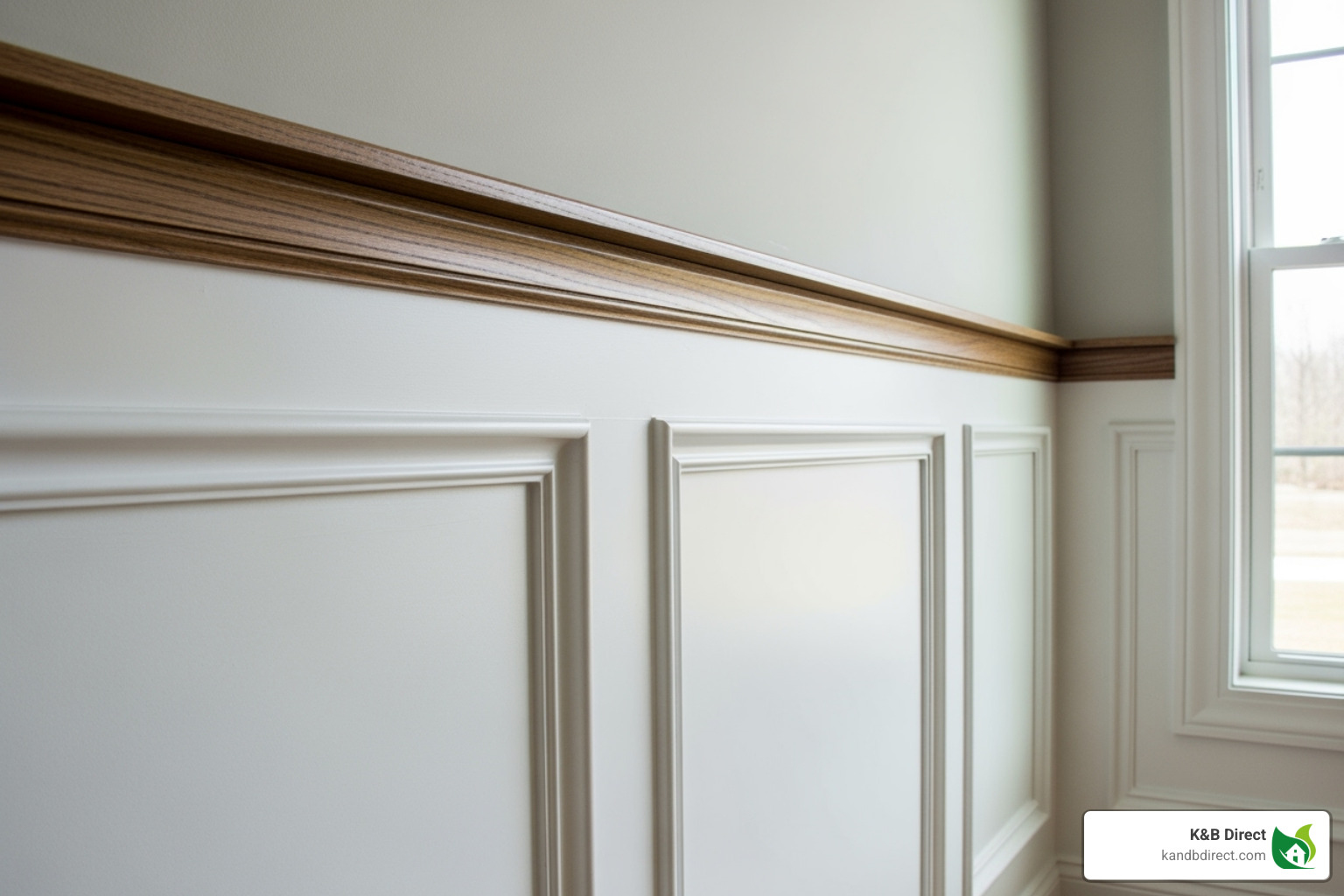
Wall mouldings add visual interest and serve practical functions, like protecting surfaces and delineating design elements. These types of moulding can transform a plain wall.
One of the most popular wall mouldings is the Chair Rail. It’s installed horizontally along the wall at “chair height,” usually 32 to 36 inches from the floor. Originally meant to protect walls from chair scuffs, it has evolved into a key decorative element. Chair rails divide a wall, creating opportunities for creative combinations of paint, wallpaper, or textures. It’s a relatively affordable way to add significant character.
Another smart wall moulding is the Picture Rail. Installed 7 to 9 feet from the floor, this moulding lets you hang pictures with hooks and cords instead of nails, preventing wall damage. It’s a cost-effective solution for art lovers who frequently rearrange their collection.
For a truly transformative treatment, consider Wainscoting, which is decorative paneling on the lower part of a wall. Originally used for insulation, wainscoting is now cherished for adding texture, depth, and classic elegance. At K&B Direct, we offer various styles of Shiplap/Wainscot, including:
- Board and Batten: This style uses wide boards with narrow strips (battens) over the seams, creating a vertical pattern popular in traditional and modern farmhouse homes.
- Panel Mould: This thin, decorative strip, like our Panel Mould, creates framed panels on a wall. It adds a formal, classic look, mimicking expensive custom millwork at a fraction of the cost.
Wall mouldings offer endless possibilities for enhancing your home’s interior.
Floor Moulding: The Finishing Foundation
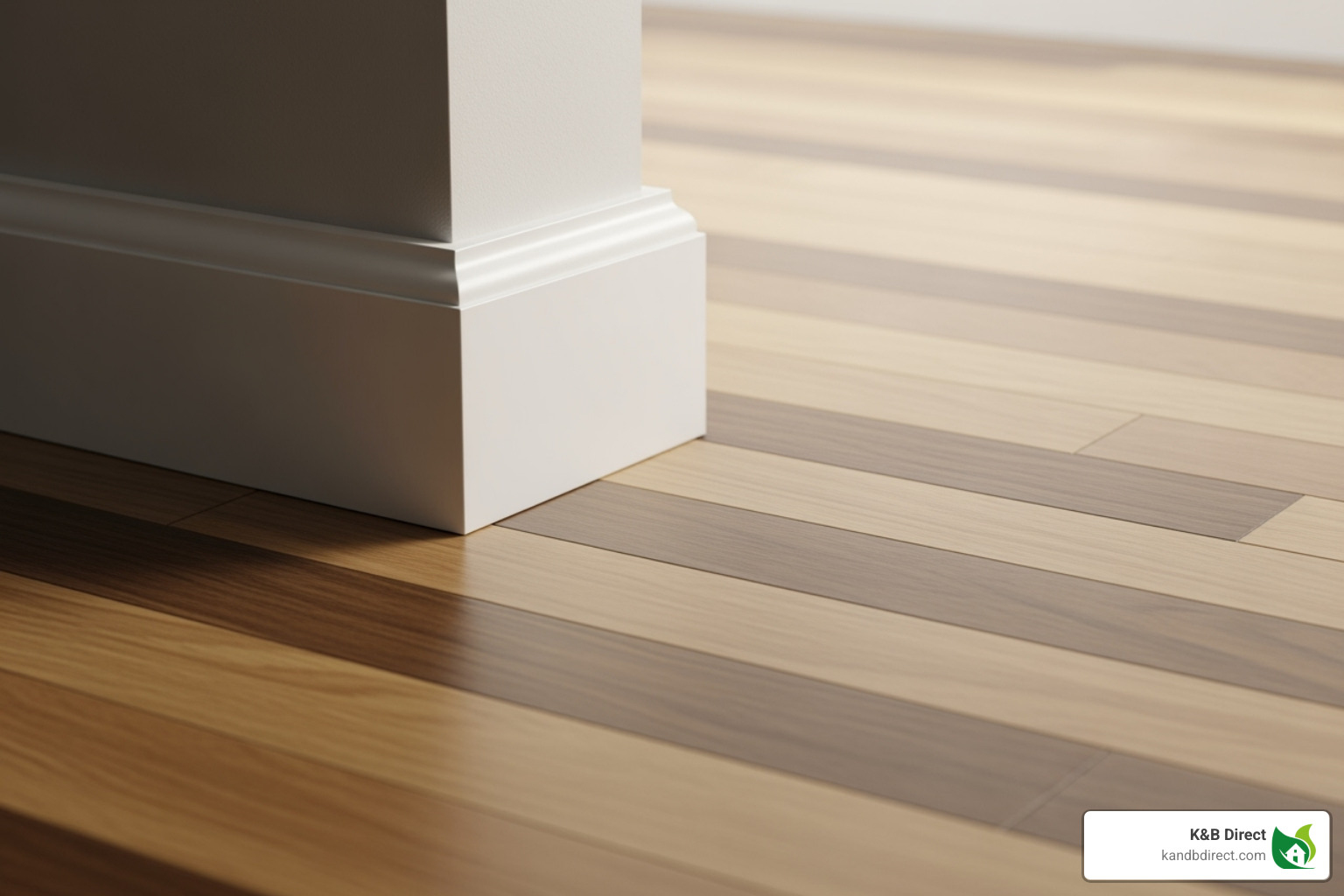
Floor mouldings provide the essential finishing touch at the base of a wall, creating a seamless transition to the floor. These types of moulding are important for both aesthetics and function.
The most fundamental floor moulding is Baseboard Trim. Installed where the wall meets the floor, baseboards cover the gap between flooring and drywall, protect the lower wall from scuffs and bumps, and provide a visual anchor for the room. Baseboards come in many heights and profiles. PVC or MDF baseboards are an affordable option for many projects. Standard baseboards are 3 to 5 inches tall, but rooms with higher ceilings benefit from taller baseboards.
To complete the look and hide flooring imperfections, add smaller types of moulding:
- Quarter Round: This moulding has a quarter-circle profile and is used at the base of the baseboard to cover small gaps with the floor.
- Shoe Mould: Similar to quarter round, shoe mould serves the same purpose but has a slightly different profile that many designers prefer for its subtle aesthetic.
- Base Cap Moulding: This decorative moulding is added to the top of a flat baseboard. This allows for the creation of a “built-up” baseboard, adding visual interest without the expense of a single, large profile.
These floor mouldings play a huge role in achieving a finished, professional look.
Door & Window Moulding: Framing the View
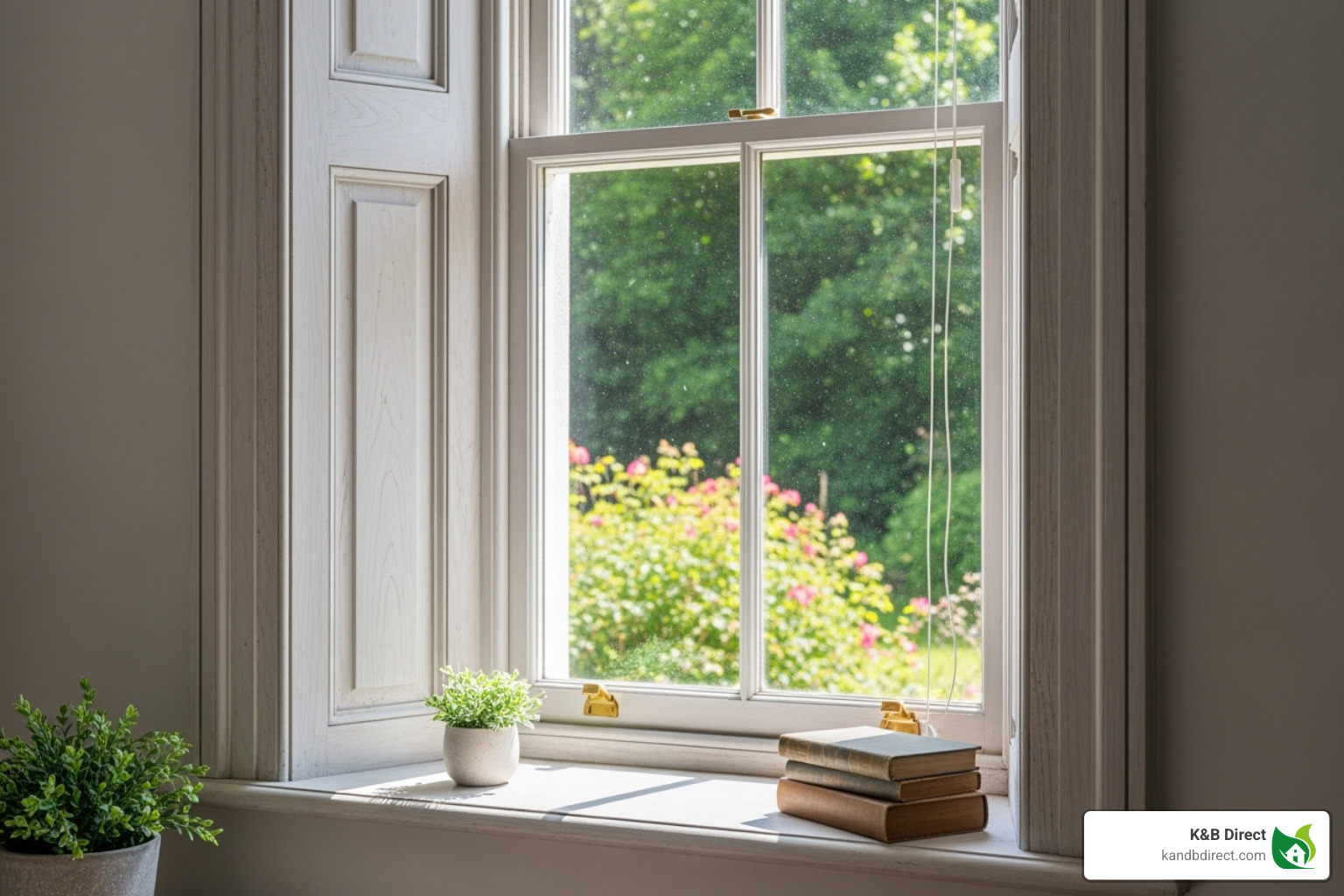
Like a frame on a work of art, door and window mouldings transform simple openings into architectural features. These types of moulding are essential for a finished look and for covering construction gaps.
The primary moulding is Door Casing, also called Window Trim or Architraves. Casing conceals the gap between the frame and the wall. The aesthetic and protective benefits of casing are well worth the investment compared to the cost of finishing drywall without it.
Beyond basic casing, other specialized types of moulding add flair and simplify installation:
- Plinth Blocks: These decorative blocks are used at the bottom corners of door frames. They create a clean transition where the vertical casing meets the horizontal baseboard, simplifying installation by avoiding difficult miter cuts.
- Rosettes: Similar to plinth blocks, rosettes are decorative blocks for the top corners of casings. Like plinth blocks, they eliminate the need for miter cuts at corners and add an ornate, custom look.
- Stops/Mullions: Stops are thin strips inside a frame that prevent a door from swinging too far. Mullions are bars that divide a window into smaller panes, and decorative versions can be added to create this effect.
Thoughtfully selected door and window mouldings can turn simple openings into stunning focal points.
Choosing the Right Material for Your Moulding
Alright, we’ve talked about where moulding goes, but what about what it’s made of? This is super important! The material you pick really impacts how long your moulding lasts, how it looks when it’s finished, and, of course, the price. Knowing the ups and downs of each option is key to making a choice you’ll love for years.
We’ve put together a handy table to help you compare the most common options for types of moulding:
| Material Type | Best Use | Finish Options (Paint/Stain)
A Comprehensive Guide to the Main Types of Moulding by Application
This section categorizes moulding by its location and function, helping you understand the specific role each piece plays in a room’s design.
Ceiling Moulding: The Crowning Touch
Ceiling moulding adds grandeur by creating a polished transition between walls and the ceiling. It softens sharp corners and makes a room feel more complete.
The most recognized ceiling moulding is Crown Moulding. This classic profile is installed at the top of the wall where it meets the ceiling. As a rule of thumb, larger and taller rooms require wider crown moulding to maintain proportion. In a grand dining room, a substantial crown moulding can make a statement and add a sense of luxury.
Beyond the classic crown, we also have other fantastic types of moulding for ceilings:
- Cove Moulding: Similar to crown moulding but with a simpler, concave shape. It’s a more subtle option for softening the wall-to-ceiling transition, often used in less formal or minimalist spaces. It’s an accessible and affordable option for many homeowners.
- Dentil Moulding: This is a decorative, traditional type with a series of small, rectangular blocks (dentils). Often seen in classical architecture, dentil moulding adds a refined detail. Its intricate design makes it more expensive and complex to install than simpler profiles.
These mouldings serve to add elegance, define the space, and improve the perceived height of your room.
Essential types of moulding for walls
Wall mouldings add visual interest while serving practical functions like protecting surfaces and separating design elements. These types of moulding can adorn any wall.
One of the most popular wall mouldings is the Chair Rail. It’s installed horizontally at “chair height,” usually between 32 and 36 inches from the floor. Originally for protecting walls from chairs, it’s now a fantastic decorative element that divides a wall for creative paint or wallpaper combinations. It’s a relatively affordable way to add significant character.
Another clever wall moulding is the Picture Rail. Installed higher on the wall, around 7 to 9 feet from the floor, it allows you to hang art with hooks and cords instead of nails. It’s a cost-effective solution for art lovers, allowing art to be hung without damaging walls.
For a truly transformative wall treatment, we turn to Wainscoting. This involves adding decorative paneling to the lower part of the wall. Originally used for insulation, wainscoting is now valued for adding texture, depth, and classic elegance. We offer various styles of Shiplap/Wainscot, including:
- Board and Batten: This style consists of wide boards with narrow strips (battens) covering the seams, creating a vertical pattern that is a hallmark of traditional and modern farmhouse homes.
- Panel Mould: Often used with wainscoting or alone, panel mould is a thin strip used to create framed panels on a wall. It adds a formal, classic look, mimicking expensive custom millwork for less.
Wall mouldings offer endless possibilities for enhancing your home’s interior.
Floor Moulding: The Finishing Foundation
Floor mouldings provide the essential finishing touch at the base of a wall, creating a seamless transition to the floor. These types of moulding are crucial for both aesthetics and function.
The most fundamental floor moulding is the Baseboard Trim, or skirting board. Installed where the wall meets the floor, baseboards cover gaps, protect the lower wall from wear and tear, and provide a visual anchor for the room. Baseboards come in various heights and profiles. PVC or MDF baseboards are an affordable option for many projects. Standard baseboards are about 3 to 5 inches tall, but taller baseboards suit larger rooms with higher ceilings.
To complete the look and hide flooring imperfections, we often recommend additional small types of moulding:
- Quarter Round: This moulding has a quarter-circle profile. It’s typically used at the very bottom of the baseboard, sitting flush with the floor, to cover any small gaps that might remain after flooring installation. It’s roughly ½ inch to ¾ inch tall.
- Shoe Mould: While often confused with quarter round, shoe mould has a slightly different profile. It serves the same purpose as quarter round—covering gaps between the baseboard and the floor—but many designers prefer its subtle aesthetic.
- Base Cap Moulding: This is a smaller, decorative moulding added to the top edge of a flat baseboard. It allows for creating a “built-up” baseboard, adding detail without the expense of a single large profile.
These floor mouldings play a huge role in achieving a finished, professional look.
Door & Window Moulding: Framing the View
Door and window mouldings frame openings like a work of art, turning them into architectural features. These types of moulding are essential for aesthetics and for covering construction gaps.
The primary moulding used around doors and windows is Door Casing (also known as Window Trim or Architraves). Casing conceals the gap between the frame and the wall. The aesthetic and protective benefits of casing are well worth the investment compared to finishing drywall without it.
Beyond basic casing, we can use other specialized types of moulding to add decorative flair and simplify installation:
- Plinth Blocks: These are decorative blocks at the bottom corners of door frames. Using a plinth block simplifies installation by avoiding tricky miter cuts where the baseboard and casing meet, adding a touch of classic elegance.
- Rosettes: Similar to plinth blocks, rosettes are decorative square blocks used at the top corners of casings. They feature carved designs and eliminate the need for miter cuts, adding an ornate, custom look.
- Stops/Mullions: Stops are thin strips of moulding inside a door or window frame. For doors, they stop the door from swinging too far. Mullions are the bars that divide a window, and decorative versions can be added to create a similar effect.
By thoughtfully selecting these door and window mouldings, we can transform simple openings into stunning architectural focal points.
Choosing the Right Material for Your Moulding
The material you choose affects durability, finish, and cost. Understanding the pros and cons is key to a successful project.
When it comes to selecting the perfect types of moulding for your home, the material choice is just as important as the profile itself. Different materials offer unique benefits in terms of durability, appearance, and how well they stand up in various environments. At K&B Direct, we want to make sure you have all the information to make the best choice for your project and budget.
We’ve put together a handy table to help you compare the most common options at a glance:
| Material Type | Best Use | Finish Options (Paint/Stain) | Durability | Cost |
|---|---|---|---|---|
| Solid Wood | High-end projects, areas where natural wood grain is desired | Stainable, Paintable | Very High (durable, can be repaired) | High |
| Finger-Jointed Wood | General interior use, especially when painting | Paintable (can sometimes be stained) | Good (stable, less prone to warping than solid) | Medium-High |
| MDF | Cost-effective interior projects, ideal for painting, dry areas | Paintable (excellent smooth finish) | Medium (can swell with moisture) | Low |
| PVC/Polyurethane | High-moisture areas (bathrooms, exteriors), flexible applications | Paintable | Very High (waterproof, rot-resistant, insect-proof) | Medium-High |
Solid and Finger-Jointed Wood
Solid wood moulding (poplar, oak, pine) offers a classic, timeless look. It can be stained to highlight its natural grain, making it perfect for traditional homes. Solid wood is very durable, repairable, and ideal for high-quality casing that stands out.
Finger-jointed wood is a budget-friendly alternative made from smaller pieces of wood joined together. This construction makes it stable and less prone to warping. It’s typically painted for a smooth finish and offers the strength of real wood, making it a great option for many types of moulding.
MDF (Medium-Density Fiberboard)
MDF‘s primary advantage is its smooth surface, which is perfect for painting and often comes pre-primed. It’s a cost-effective choice for interior, dry areas like living rooms and bedrooms. However, it is not recommended for high-moisture areas like bathrooms, as it can swell if exposed to water. For living rooms, bedrooms, and hallways, it’s a fantastic, affordable option for many types of moulding.
PVC and Polyurethane
PVC (Polyvinyl Chloride) and polyurethane mouldings are waterproof, rot-resistant, and insect-proof, making them ideal for high-moisture areas like bathrooms, laundry rooms, and exteriors. They are lightweight, and some polyurethane options are flexible for curved walls. While they lack a natural wood grain, they are designed to be painted to match any decor. These materials are an unbeatable choice for durable PVC Floor Moulding that can stand up to spills and humidity.