The Finishing Touch of Base Cap Molding
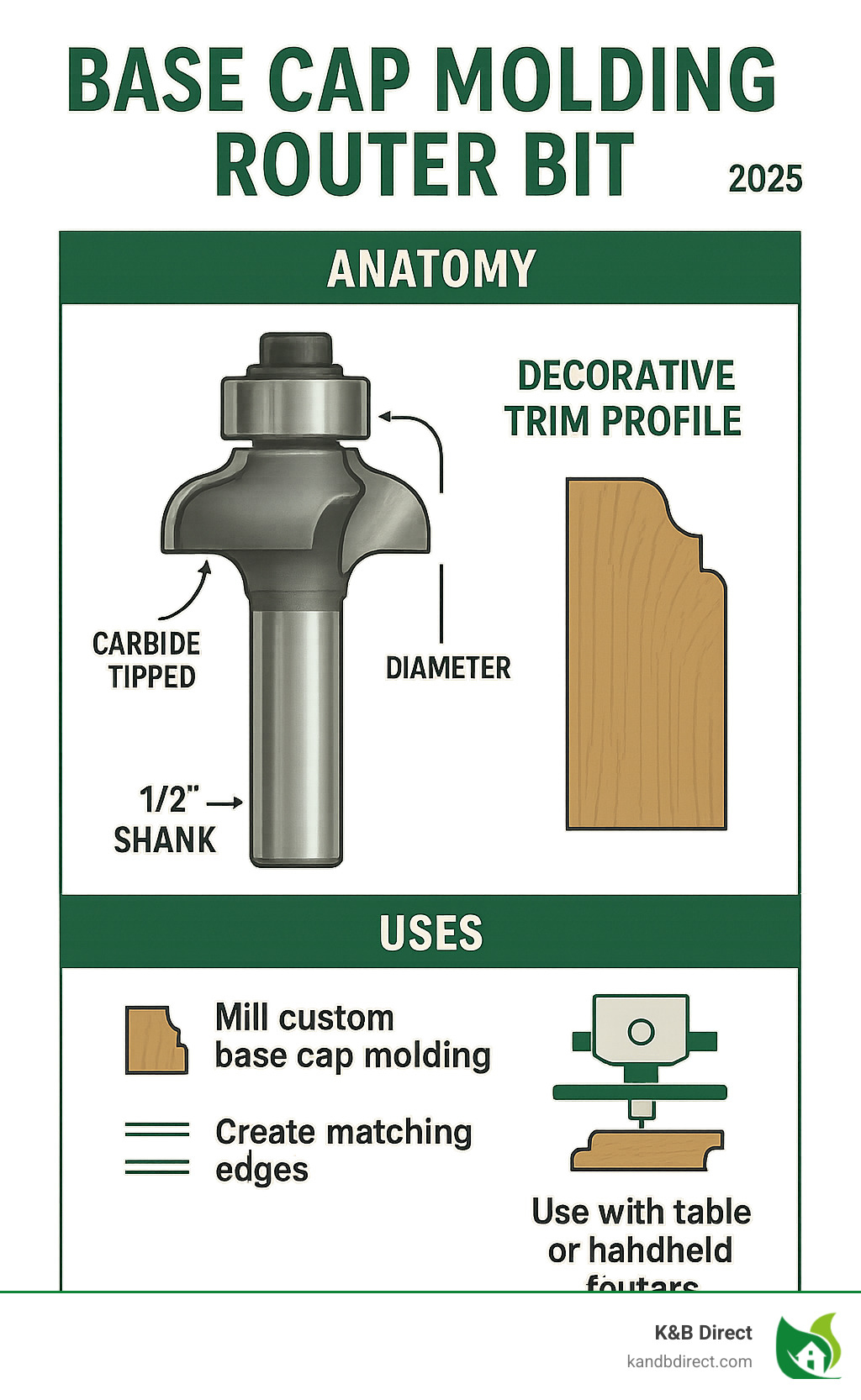
A base cap molding router bit is a specialized tool for creating beautiful, custom wood trim that sits atop wider baseboards, adding a refined look to any room.
Here’s what you need to know about using a base cap molding router bit:
- Purpose: To mill custom base cap molding or traditional baseboards.
- Profiles: Creates decorative edges, often matching old, high moldings.
- Key Features: Usually carbide-tipped for durability; comes in various diameters and often with a 1/2-inch shank.
- Usage: Best used with table-mounted, CNC, or handheld routers, often requiring multiple passes for clean cuts.
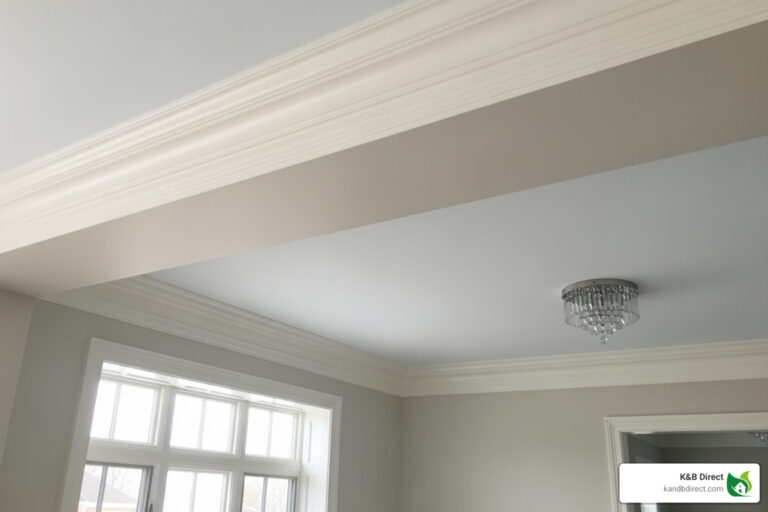
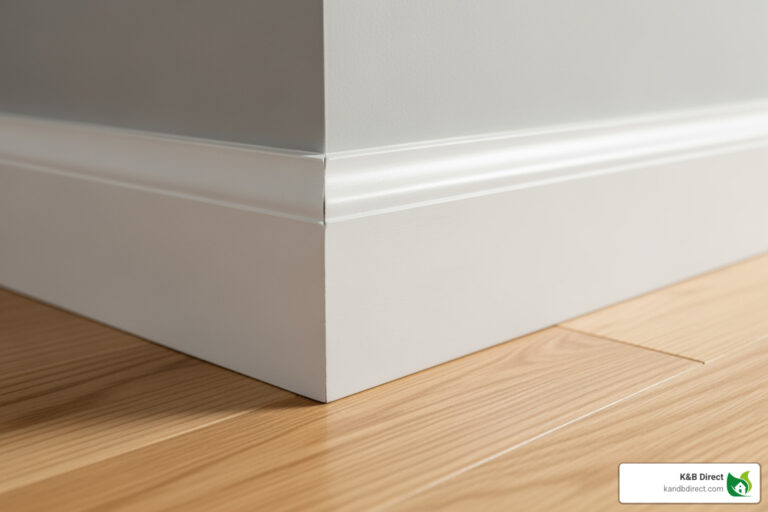
More than just trim, base cap molding is a key architectural detail that improves your home’s style. It adds a classic touch, especially with taller baseboards, and is perfect for renovators matching high moldings in older homes. For DIYers, it offers the freedom to create custom, stain-grade molding from any wood species.
I’m Eryk Piatkowski, owner of K&B Direct. Since 2011, we’ve helped homeowners create beautiful spaces with quality products. As an expert in custom millwork, I’ll guide you through using a base cap molding router bit to transform raw wood into stunning trim.
Choosing the Perfect Base Cap Molding Router Bit
Choosing the right base cap molding router bit is paramount for any custom trim project. Selecting the correct tool ensures precision, durability, and a flawless finish. The market offers various bits with specific dimensions and features for different profiles.
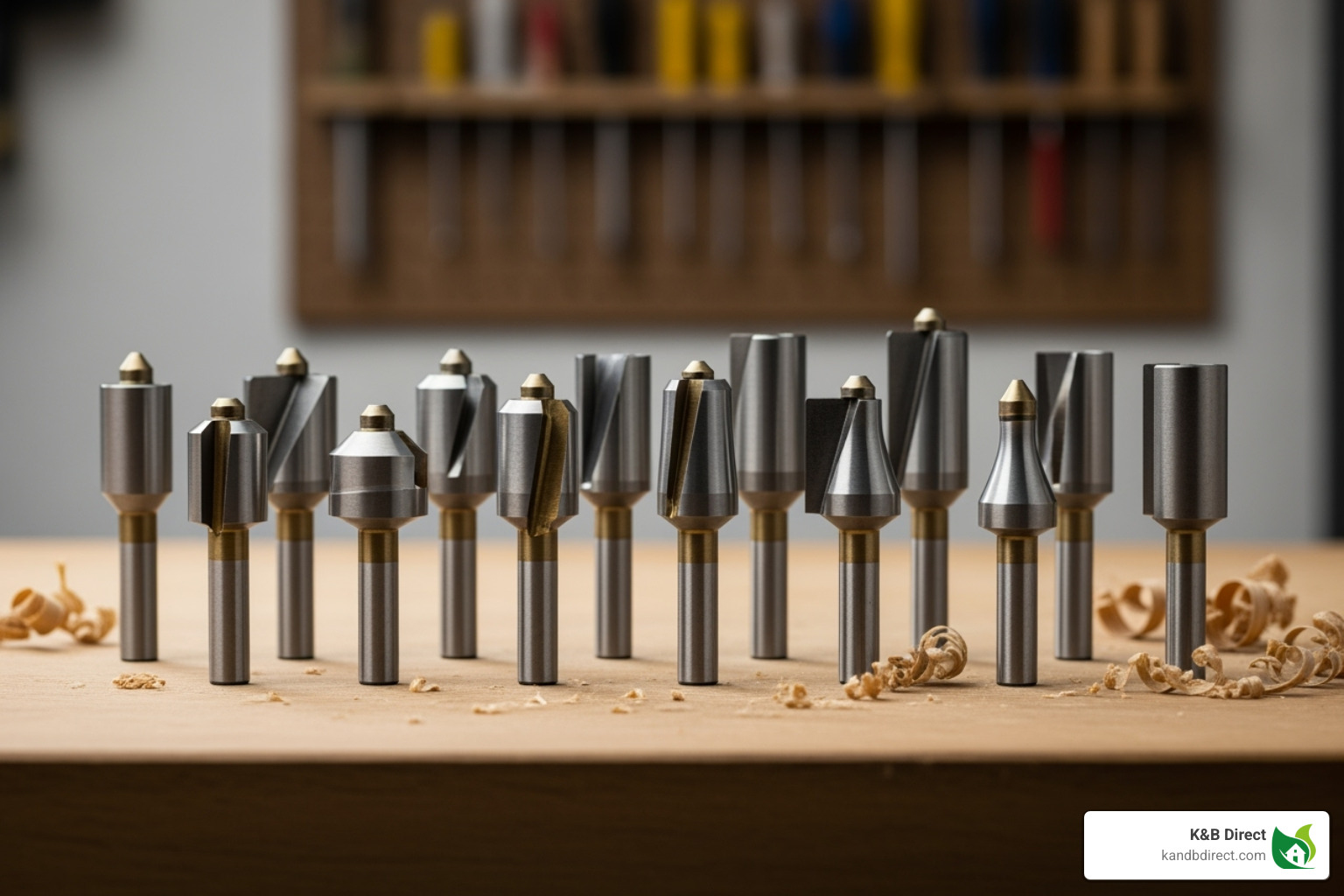
You’ll find bits with varying router bit profiles, bit diameters, and cutting heights. Brands like Freud, Amana Tool, and Yonico offer a range of sizes, such as 1-1/2″ to 1-3/4″ diameters, typically with 1/2″ shanks. Understanding these specifications helps you select the perfect bit for your project.
Key Features of a Base Cap Molding Router Bit
When selecting a router bit for detailed molding, several features are critical for a successful project.
First is Shank Size (1/2″ vs. 1/4″). Most professional molding bits use a 1/2-inch shank for superior stability and reduced vibration, leading to smoother cuts and longer tool life. While 1/4-inch shanks fit smaller routers, they are best for lighter tasks. For the detailed work required by a base cap molding router bit, the stability of a 1/2-inch shank is essential.
| Feature | 1/4″ Shank Router Bits | 1/2″ Shank Router Bits |
|---|---|---|
| Stability | Less stable, prone to vibration | Highly stable, minimizes vibration |
| Router Compatibility | Fits smaller, less powerful routers | Requires larger, more powerful routers |
| Ideal Project Size | Smaller, lighter profiles, less material removal | Larger, more complex profiles, heavy material removal |
| Durability | Shorter lifespan, more susceptible to breakage | Longer lifespan, more robust |
| Cut Quality | Can lead to chatter and burn marks if pushed | Produces smoother, cleaner cuts |
Next, consider Carbide Quality. The cutting edge is typically carbide, but quality varies. High-quality bits use superior carbide formulations, like Freud’s TiCo Hi-Density Carbide, which stay sharp longer, especially with hardwoods. Better carbide ensures cleaner cuts and a longer-lasting bit.
Then there’s the Number of Flutes. Most base cap molding router bits have two flutes (cutting edges). This design balances cutting speed and chip clearance, preventing clogging. While some bits have more flutes for a finer finish, two is the standard for most molding applications.
Many molding bits include Bearing Guides. This guide rides along the workpiece or a template, ensuring a consistent profile depth and preventing the bit from cutting too deep. It’s especially useful for freehand routing or curved pieces.
Finally, a professional bit often has an Anti-kickback design. This vital safety feature limits the bit’s cutting depth per pass. It reduces the risk of the router grabbing the wood too aggressively, making routing safer and preventing tear-out for cleaner results.
For more detailed information on the materials and types of wood products we handle, including the raw materials that become beautiful moldings, you can explore our resources on Wood Moulding.
Why Carbide-Tipped Bits Are the Professional’s Choice
Carbide-tipped bits are the standard for professionals and serious DIYers, offering significant advantages over older high-speed steel (HSS) bits.
- Durability: Carbide is much harder than HSS, resisting wear when cutting all types of wood, including hardwoods. This longevity saves time and money.
- Sharpness retention: Carbide holds a sharp edge longer than HSS, resulting in cleaner, more precise cuts with less tear-out and reduced sanding.
- Heat resistance: Routing generates heat that can dull bits and burn wood. Carbide resists heat buildup better than HSS, maintaining performance and preventing burn marks. Special coatings, like Freud’s Perma-SHIELD® Coating, further reduce friction and heat.
- Smooth finish: The combination of sharpness and heat resistance allows carbide bits to produce exceptionally smooth finishes, which is crucial for stain-grade molding and reduces finishing work.
- Suitability for Hardwoods and Softwoods: Unlike HSS, carbide bits cut easily through both hardwoods and softwoods. This versatility streamlines your workflow, as a quality carbide-tipped base cap molding router bit delivers excellent results on any wood species.
A Step-by-Step Guide to Milling Your Own Molding
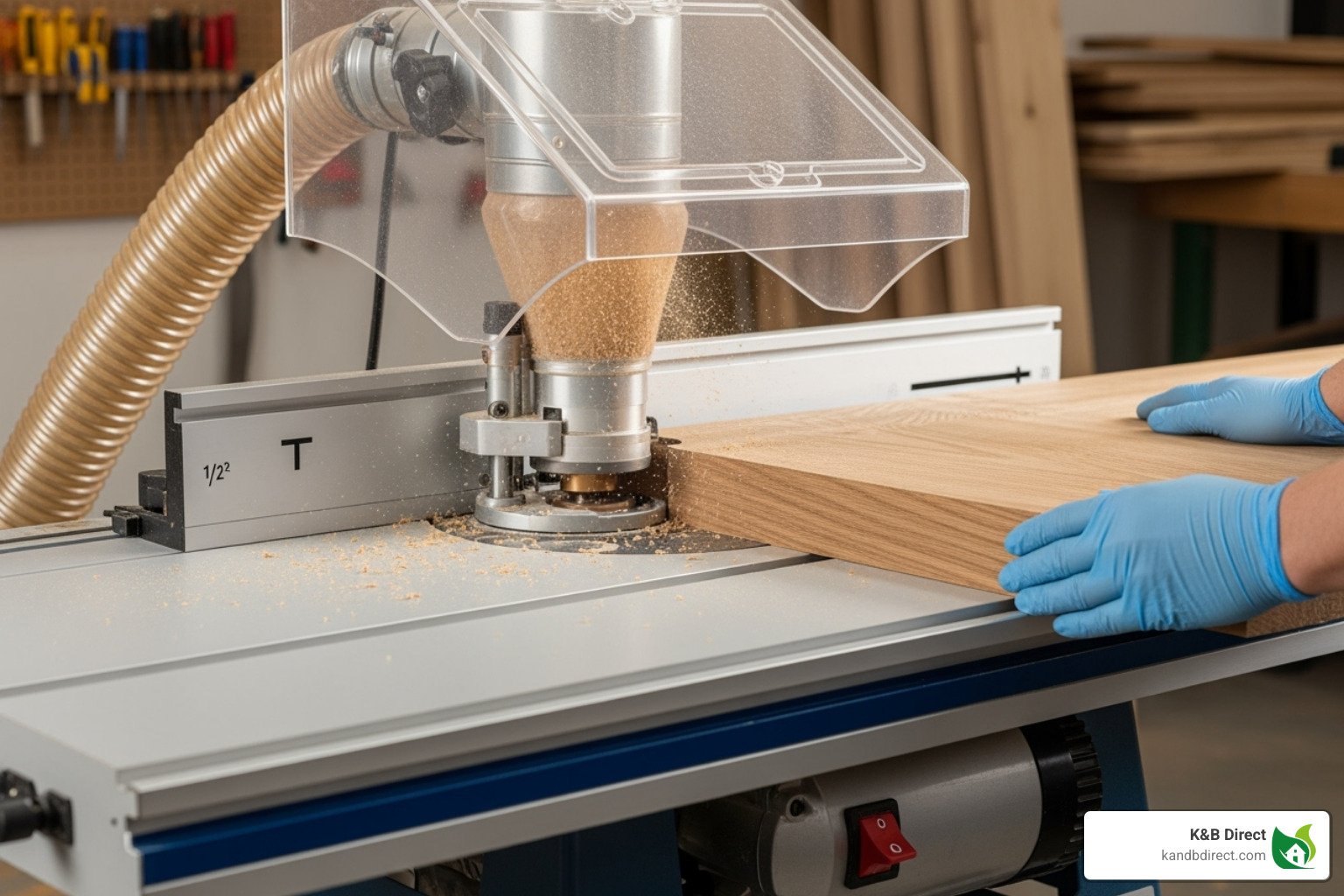
Creating custom base cap molding is a rewarding way to add unique, handcrafted details to your home. The process requires careful preparation and execution with either a router table or handheld router to achieve professional results. For the cleanest cuts, especially in hardwoods, making two or more passes is key.
Setting Up Your Router and Workspace
A proper setup is the foundation for any successful and safe routing project, preventing uneven cuts and material damage.
A router table is highly recommended for milling molding. It provides a stable surface for smooth, consistent feeding, offering superior control, precision, and safety, especially with long workpieces. If using a handheld router, clamp the wood securely and use a sturdy edge guide.
On a router table, set the fence to expose only the necessary part of the bit profile. Use featherboards to press the wood firmly against the fence and table, preventing movement and ensuring a smooth, even cut.
Routing creates significant dust, so a good dust collection system is essential. Connect it to your router table or use a shop vac with a handheld router to maintain a clean, visible, and healthy workspace.
Safety glasses and hearing protection are non-negotiable. Routers are loud and produce flying chips at high speeds, so protecting your eyes and ears is vital.
Set the correct router speed for your bit’s diameter to achieve the best performance with minimal vibration. You can find recommended speeds in an RPM chart like this one: Download Router Bit RPM Chart.
Properly Using Your Base Cap Molding Router Bit
The most important technique is making shallow passes. Cut the profile in multiple passes rather than all at once. This prevents burning, reduces tear-out, and results in a cleaner profile, especially when using a large base cap molding router bit or working with hardwoods.
Maintain a consistent speed and feed rate. Moving the wood too quickly can cause tear-out, while moving too slowly can cause burn marks. A steady, continuous motion is ideal. Ensure your router’s RPM is set correctly for the bit.
Pay attention to grain direction. Feed the wood so the bit cuts with the grain, not against it, to prevent tear-out and achieve a smooth finish.
Always make test cuts on scrap wood of the same species and thickness as your project. This allows you to fine-tune your setup—fence position, bit height, and feed speed—without ruining your final material.
A base cap molding router bit is versatile. Use it to profile the edge of a wide baseboard for an integrated look, or mill a standalone molding to install atop an existing baseboard. The latter is ideal for matching tall, historic moldings or creating custom-width trim.
For those looking to create or match specific architectural elements, our guides on Base Cap Moldings offer even more insights into the variety of profiles and how they can be used.
Common Applications and Project Ideas
A base cap molding router bit is for more than just baseboards. Mastering its use opens up creative possibilities for adding character to many woodworking projects.

A key application is matching historic trim. Unique profiles in older homes are hard to find commercially. A base cap molding router bit lets you mill new sections that blend seamlessly with existing trim, preserving the home’s historical integrity.
Upgrading standard baseboards in modern homes is a game-changer. Adding a custom-milled base cap transforms flat, builder-grade baseboards into sophisticated custom millwork, making rooms feel more finished.
The same bit can create beautiful decorative chair rails. These horizontal accents add visual interest and a traditional, layered look to walls, often using the same profile as a base cap.
These bits are also great for making custom picture frames with ornate, professional-looking profiles that stand out from store-bought options.
Use them for cabinetry details, adding decorative flourishes to face frames, cabinet doors, or built-in shelving. This creates a cohesive, custom look throughout a room.
Creating custom millwork allows for a level of personalization that pre-made options can’t offer. For more inspiration, explore our guide on Mouldings & Millwork.
Maintaining Your Bits for a Lifetime of Clean Cuts
Your base cap molding router bit is an investment. Proper care, much like a chef’s knives, is essential to keep it performing at its peak for years.
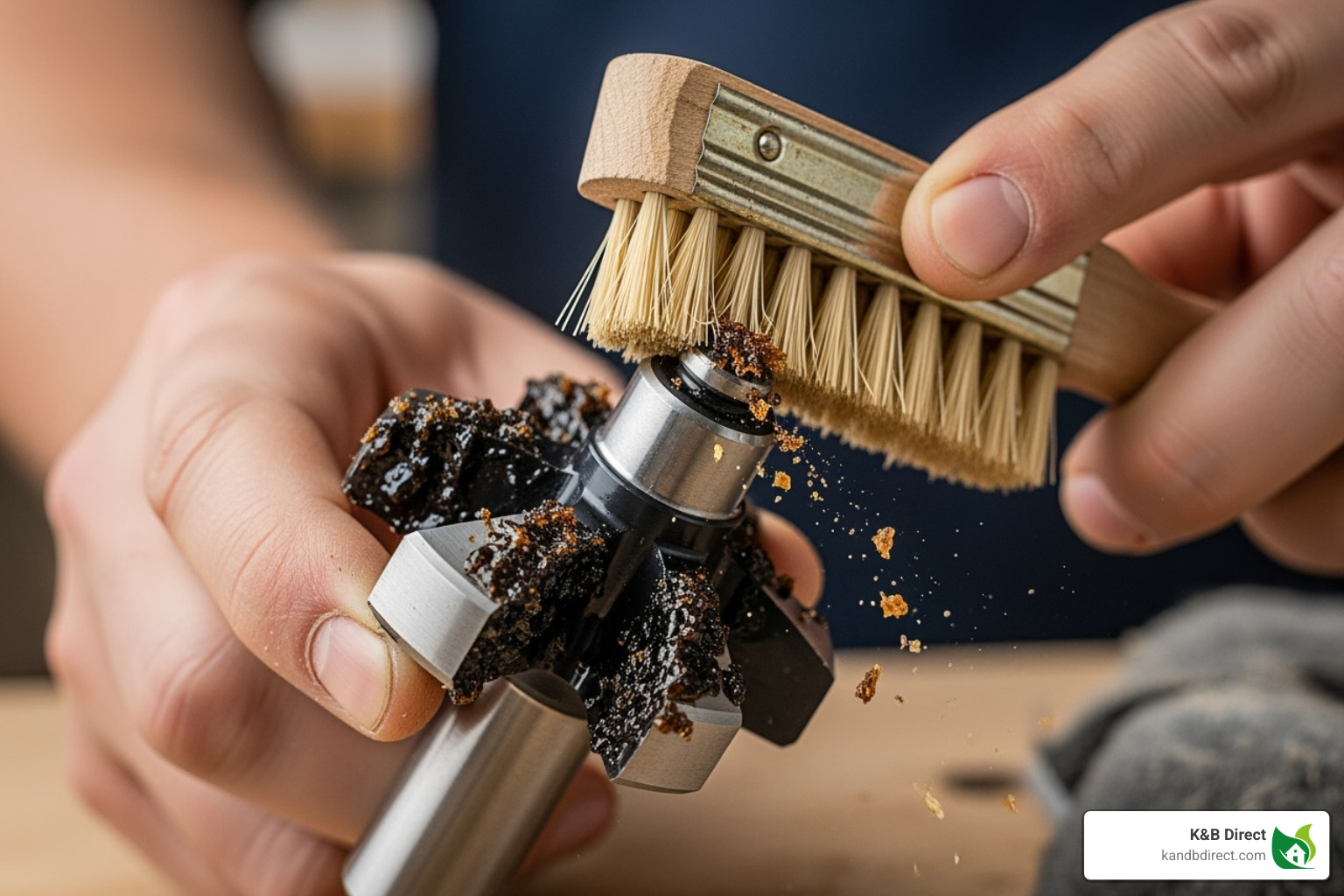
The biggest enemy of a router bit is resin buildup. Sticky pitch and sap accumulate on the flutes, creating friction and excess heat. This leads to burned, rough cuts instead of smooth ones.
Clean your bits regularly after each project. Use a specialized bit cleaner or a non-caustic oven cleaner. Let it sit, then scrub the residue off with a brass brush or toothbrush. A clean bit often cuts like new. If your bit has a bearing, avoid getting cleaner on it to ensure it continues to spin smoothly.
Proper storage is crucial. Carbide edges are hard but brittle and can chip if knocked against other tools. Store bits in their original cases or a dedicated storage system in a dry place to prevent the steel shanks from rusting.
Eventually, even carbide bits need professional sharpening. If cuts become unclean or you need to push harder, it’s time. Professionals use specialized equipment to restore the edge without damaging the carbide. DIY sharpening is not recommended.
Before each use, inspect for damage like chipped carbide, bent shanks, or worn bearings. A damaged bit is dangerous and should be replaced.
Troubleshooting Common Molding Issues
Even with a good setup, issues can arise. Here’s how to troubleshoot common problems when milling molding.
- Burn marks are often caused by feeding the wood too slowly. Increase your feed rate to a steady pace. Other causes include a dirty, resin-caked bit or an incorrect router speed.
- Chipping and tear-out often result from cutting against the wood grain. Always feed with the grain. A dull bit can also cause tearing. For difficult woods, try a slower feed rate and multiple shallow passes.
- Chatter and vibration can be caused by a loose bit in the collet; ensure it’s tight. Adjusting the router speed (slower for larger bits) can also help. Use featherboards to apply steady pressure and reduce movement.
- Inconsistent profiles usually stem from uneven pressure against the fence. Use featherboards for consistent pressure. Also, ensure your fence is perfectly straight and securely clamped.
Frequently Asked Questions about Base Cap Molding Bits
What’s the difference between base cap and base shoe molding?
People often confuse base cap and base shoe molding. While both are used with baseboards, they have different functions.
Base cap molding is a decorative trim that sits on top of a baseboard to add height, style, and architectural interest. A base cap molding router bit is used to create these eye-catching profiles.
Base shoe molding is a functional trim, typically a thin quarter-round, installed at the junction of the baseboard and floor. Its primary purpose is to cover gaps between the baseboard and an uneven floor. As Bob Vila notes, it covers gaps while adding a decorative touch.
In short: base cap is for decoration on top, while base shoe is for function at the bottom. For more on molding styles, see this helpful resource: Know your moldings.
Can I use a base cap bit on MDF or just solid wood?
A base cap molding router bit works on more than just solid wood.
- Solid wood: Carbide-tipped bits excel on all solid woods, from hardwoods like oak to softwoods like pine. They produce the crisp, clean cuts needed for professional-looking, stain-grade molding.
- MDF: This is an excellent choice for painted trim. It provides incredibly smooth cuts with no grain tear-out. However, MDF is abrasive and can dull bits faster. Effective dust collection is crucial due to the fine dust it produces.
- Plywood: While less common for molding, it can be used. To prevent veneer tear-out, use a sharp bit, make shallow passes, and consider using a backer board.
A quality carbide bit works well on all these materials. The choice depends on the finish: MDF is ideal for paint, while solid wood is best for stain.
How do I install the molding once I’ve made it?
Proper installation brings your custom molding to life. The process is straightforward if you follow these key steps.
- Corner joints: Use 45-degree miter cuts for outside corners. For inside corners, pros often prefer coping joints, where one piece is cut to fit the profile of the other. Coped joints adapt better to imperfect wall angles and are less likely to separate.
- Securing the molding: Use a finish nailer (15 or 16-gauge nails) to fasten the molding, aiming for wall studs. Use construction adhesive for extra grip where studs aren’t available. Countersink the nails for later filling.
- Adding wood glue: Apply wood glue to joints before nailing to create stronger connections that resist seasonal movement.
- Finishing touches: Fill nail holes with wood putty, caulk gaps between the molding and the wall, and sand smooth before painting or staining. These details are key to a professional result.
For complete step-by-step instructions with photos and pro tips, our detailed guide on How to Install Base Cap Moulding walks you through the entire process from start to finish.
Conclusion: From Custom Cuts to a Completed Room
Changing raw lumber into polished trim is a rewarding woodworking journey. A base cap molding router bit turns simple boards into architectural details that lift any room, open uping immense creative potential.
This guide covered selecting the right carbide-tipped bit, mastering professional techniques, and understanding the importance of a 1/2-inch shank, shallow passes, and proper bit maintenance for clean cuts.
Applying these skills is where the magic happens. A base cap molding router bit empowers you to match historic trim, upgrade baseboards, or detail cabinetry, crafting exactly what you envision without compromise or high custom millwork costs.
The satisfaction of creating your own trim is immense. Each smooth curve represents careful craftsmanship that adds noticeable character and value to your home.
Since 2011, K&B Direct has helped DIYers and pros create beautiful spaces. We understand the need for both custom-milled and ready-to-install trim, which is why we offer an extensive selection of pre-made moldings to complement your projects.
We believe in providing quality materials at fair prices. Serving Chicago, Glen Ellyn, West Chicago, and across Illinois, our team is committed to helping you bring your vision to life. We understand that home improvement is personal and about creating spaces for memories.
Ready to see what’s possible? Browse our collection to find the perfect complement to your custom work, or find ready-made solutions that save time without compromising on quality.