Lift Your Home with PVC Base Cap Moulding
Are you looking to add a polished, refined touch to your home’s interiors? PVC base cap moulding is a smart choice for many homeowners.
Here’s a quick look at what it is and why it’s popular:
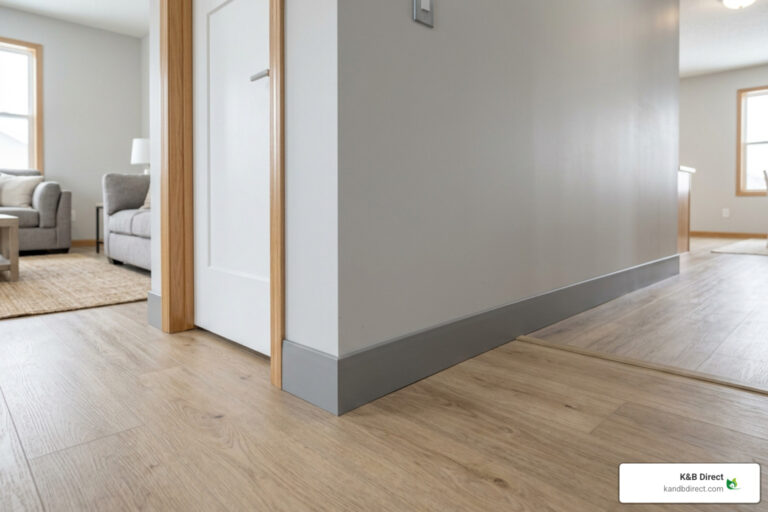
- What it is: PVC base cap moulding is a decorative trim piece. It typically sits on top of a flat baseboard, adding height and intricate detail to your walls.
- Why use it: It neatly covers any gaps between walls and floors. This creates a smooth, finished, and neat look.
- Key advantages: It’s known for being low-maintenance, long-lasting, and highly resistant to moisture. You can cut and install it with standard woodworking tools, just like traditional wood.
Choosing the right trim can transform a room. PVC base cap moulding helps you achieve that high-end look without the hassle of traditional materials. It’s perfect for giving your baseboards that extra “pop” and completing your home’s aesthetic.
I’m Eryk Piatkowski, owner of K&B Direct. For over ten years, our company has provided quality products and customer service, including expertise in selecting and installing pvc base cap moulding for countless home renovation projects. This guide will walk you through everything you need to know to choose and use it effectively.
What is PVC Base Cap Moulding and Where Do You Use It?
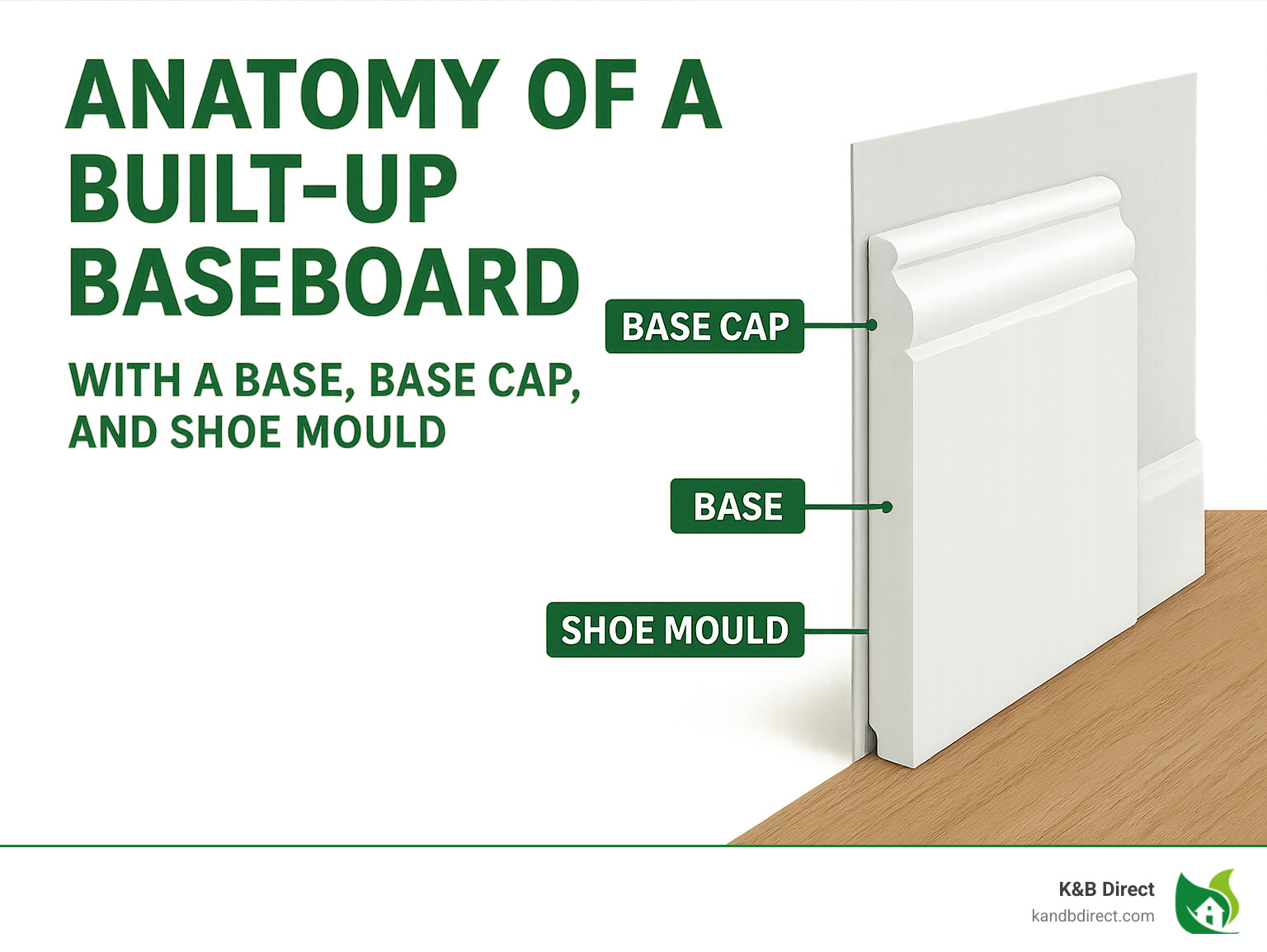
So, what exactly is PVC base cap moulding? Think of it as that perfect finishing touch for your walls! When we talk about it, we’re really talking about a special kind of decorative trim. It’s made from cellular PVC material. This isn’t just any plastic; it’s foamed during production, which makes it lighter and easier to work with.
Its main job? It sits neatly right on top of your flat baseboards. This instantly adds height and beautiful detail to your walls. It’s like putting a crown on your baseboards! Plus, it helps hide any tiny gaps between your baseboard and the wall or floor, creating a super clean look. It truly is a simple way to give your room an uplifted, finished feel. Want to dive deeper? Check out our guide on Base Cap Moulding. And to understand all the different trims out there, our Know your moldings resource is a great place to start!
Common Applications for PVC Base Cap Moulding
You might hear ‘base cap’ and think it only goes on baseboards. But guess what? PVC base cap moulding is much more versatile than you think! It’s a real shapeshifter when it comes to adding charm and character around your home. Homeowners and pros alike use it in all sorts of clever ways.
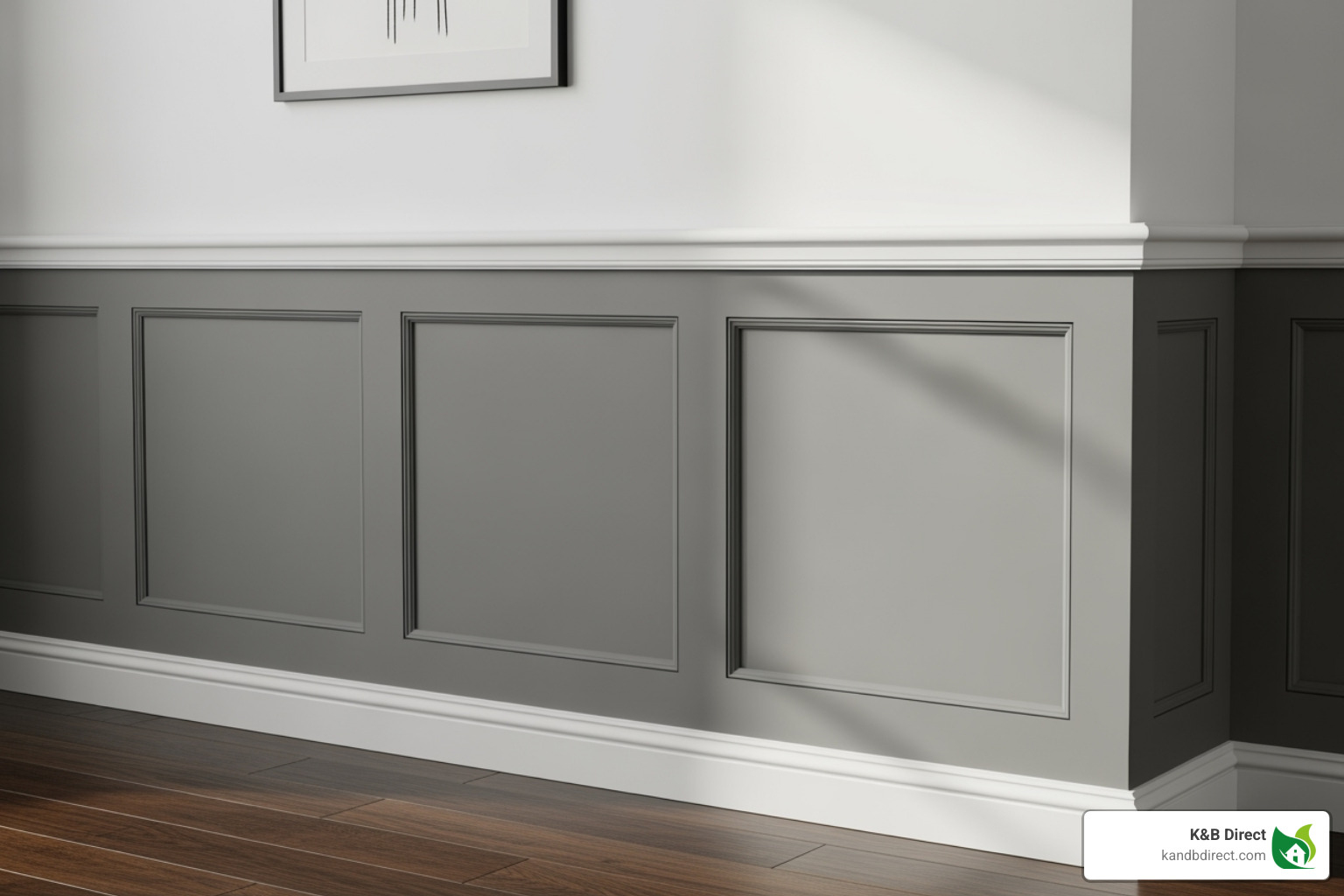
For example, it’s fantastic for creating beautiful wainscoting panels. It can form the crisp top or bottom edge, giving your walls that classic, detailed look. Of course, its most popular role is building up your baseboards. It transforms a plain, flat baseboard into a more substantial and eye-catching feature. Imagine how that can lift a room!
But don’t stop there! Think about your doors and windows. PVC base cap moulding can be used to build neat door and window headers, framing them beautifully. And if you’re dreaming of a custom fireplace, it’s perfect for adding refined details to your fireplace mantels. Even your built-in cabinet and bookshelf trim can get a furniture-grade finish with this versatile moulding. Its clean design and easy-to-work-with nature make it a go-to for those perfect finishing touches. Looking for more ways PVC trim can make a difference? Explore our ideas on PVC Floor Molding.
Available Profiles and Styles
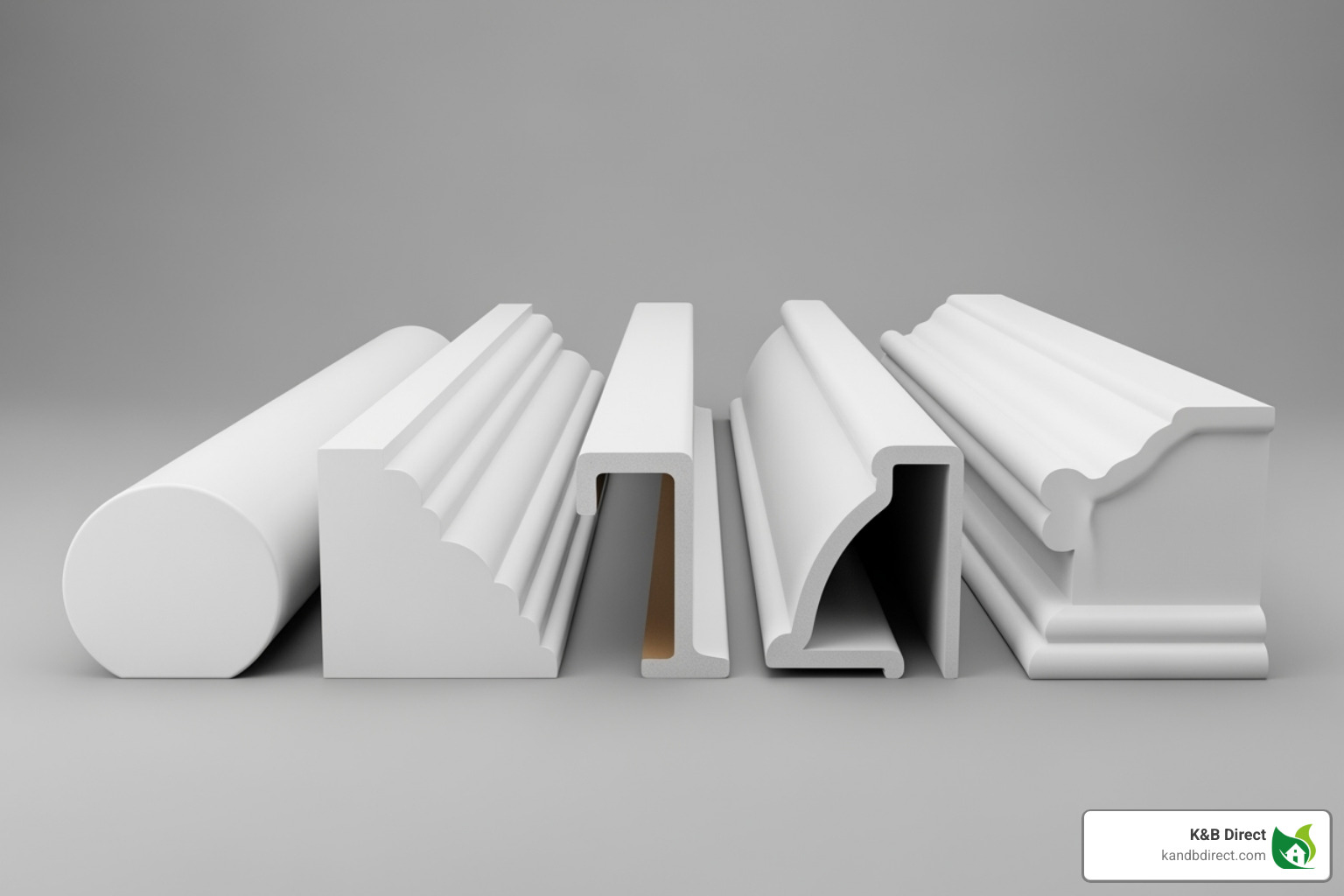
One of the best things about PVC base cap moulding is the amazing range of profiles and styles you can find. No matter your home’s vibe – classic or super modern – there’s a PVC profile that will fit right in!
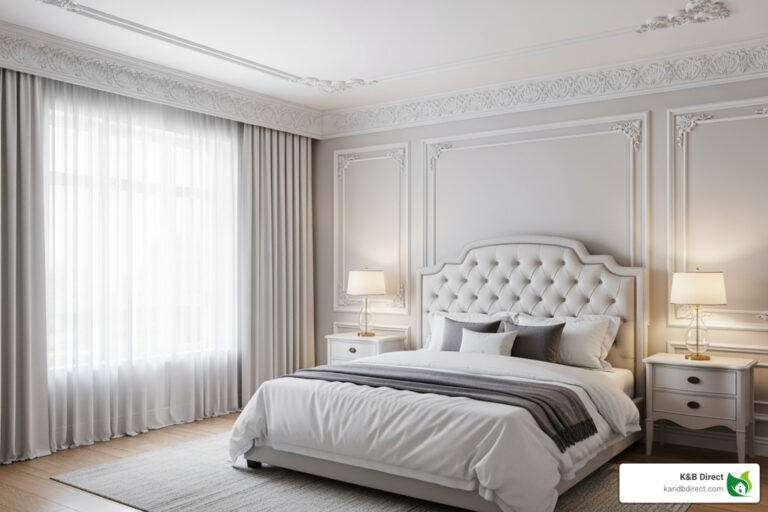
Are you a fan of timeless elegance? Then Colonial profiles might be for you. They often feature graceful curves and stepped designs, bringing a touch of traditional charm to any space. If your style leans more toward sleek and simple, our Modern/simple profiles offer clean lines that provide definition without extra fuss. And for those who love a grand statement, some ornate designs can add intricate patterns, giving your room a rich, historical feel.
The size of the moulding also makes a big difference in the final look. We often see popular profile dimensions like 11/16″ x 1-1/8″ or 1-1/8″ x 5/8″. These sizes are super versatile and work well with different baseboard heights and room sizes. For example, our Base Cap GM400 is a customer favorite because it offers that classic look and adapts beautifully to many designs.
Why Choose PVC Over Other Materials?
When you’re planning a home renovation, choosing the right materials can make or break your project. You want something that looks great today and still looks great years from now. That’s where PVC base cap moulding really shines compared to traditional options like wood or MDF.
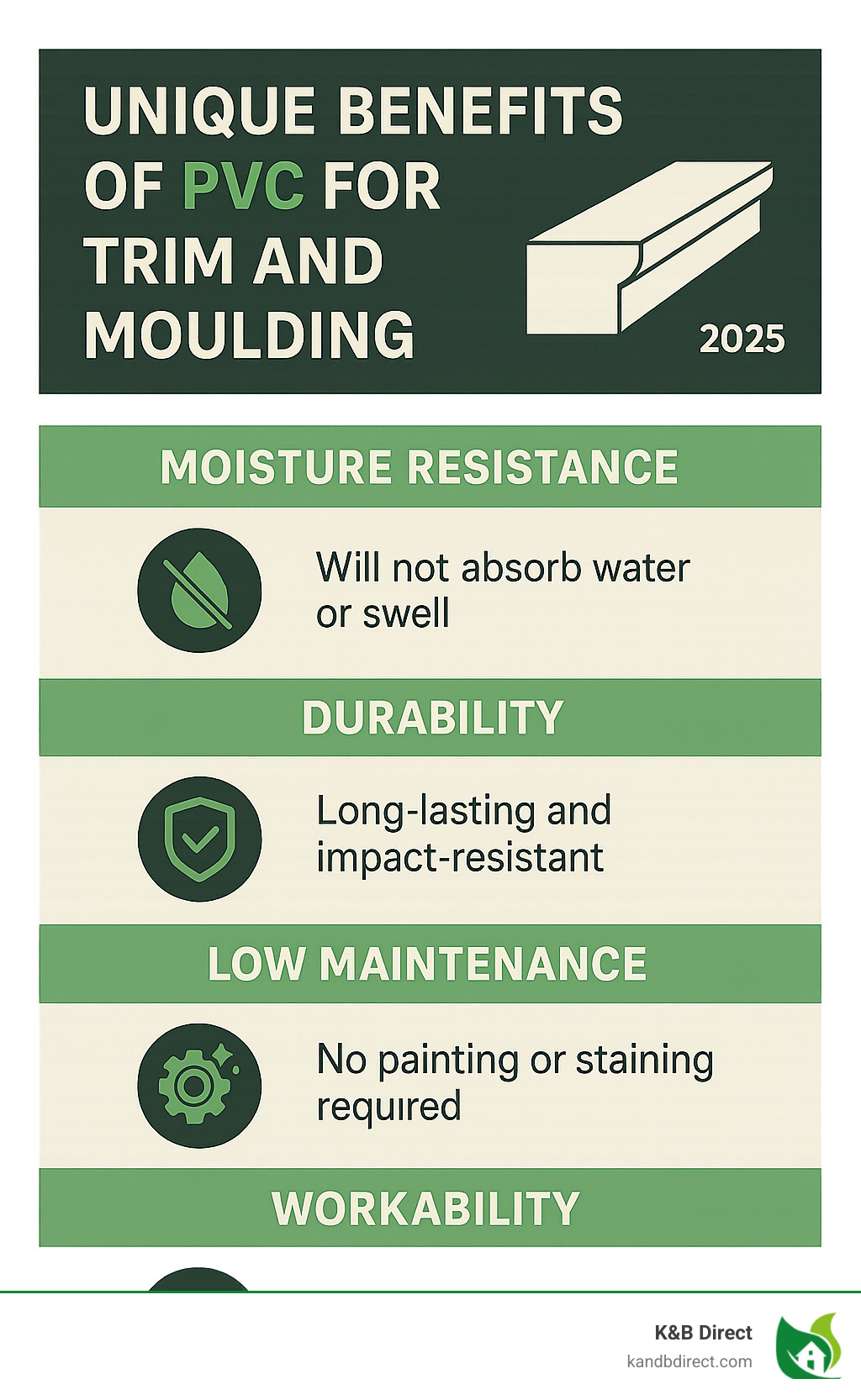
The choice often comes down to what matters most for your specific project needs. Are you looking for durability that stands the test of time? Water resistance for those tricky bathroom or basement installations? Maybe low maintenance is your priority because let’s face it – who has time for constant touch-ups? PVC base cap moulding delivers on all these fronts while offering excellent cost-effectiveness and surprising flexibility in application.
When we help homeowners choose materials, we always consider the long-term value. The upfront cost might vary, but what will this decision mean for your home five or ten years down the road? That’s where PVC really proves its worth. To explore our full range of durable and stylish options, visit our PVC Mouldings section.
The Advantages of PVC
After working with countless homeowners on their renovation projects, we’ve seen PVC base cap moulding consistently outperform traditional materials, especially in challenging environments. There’s something deeply satisfying about installing trim that you know will look pristine years later with minimal fuss.
The waterproof nature of PVC is perhaps its greatest strength. Unlike wood that can swell, warp, or develop mold when exposed to moisture, PVC simply doesn’t care about water. We’ve installed it in steamy bathrooms, humid basements, and even areas where ground contact is unavoidable. It just keeps looking great.
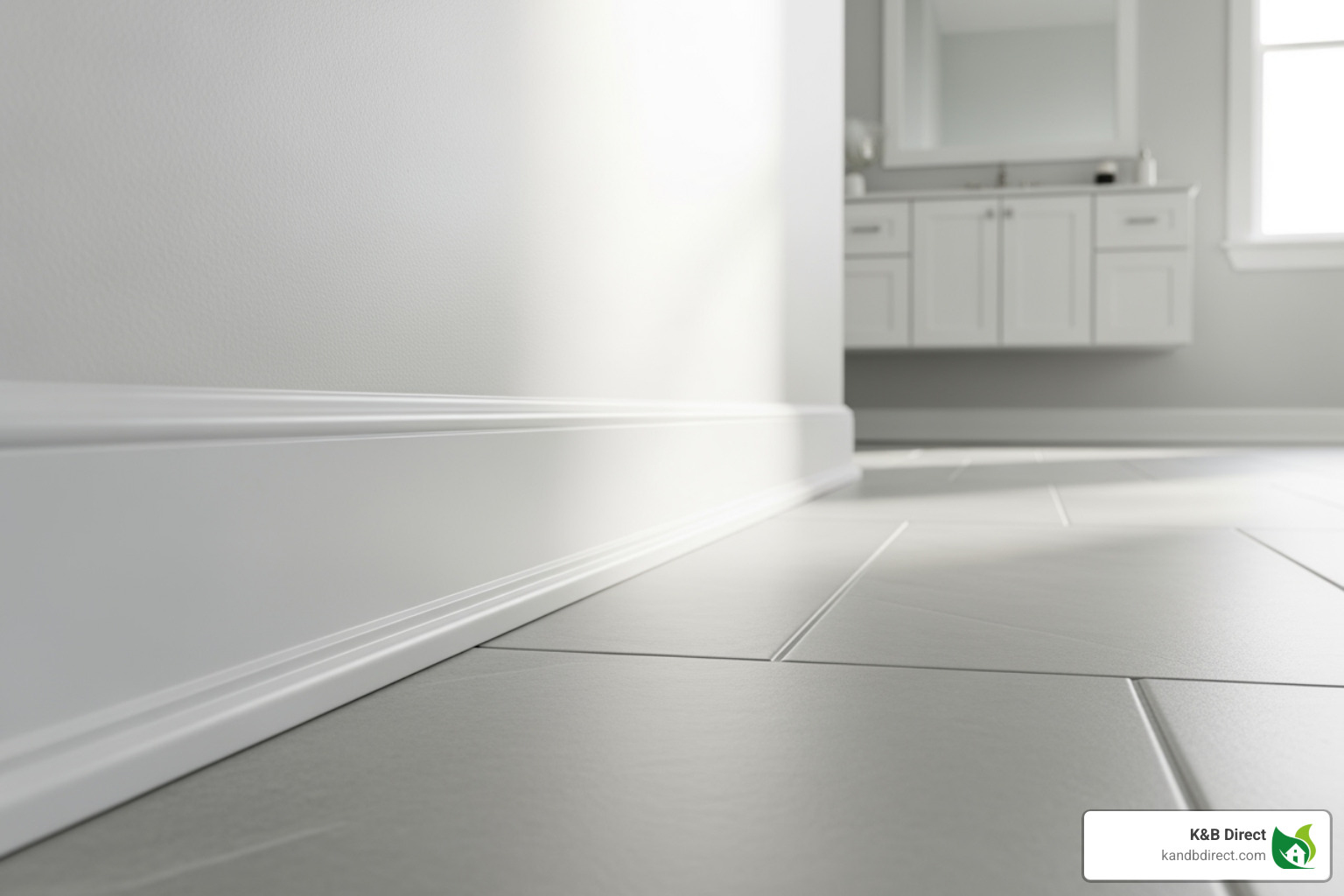
Being rot-proof and termite-proof means you can sleep soundly knowing your beautiful trim work isn’t slowly being destroyed by insects or decay. Since PVC is inorganic, these common wood enemies simply can’t touch it.
The low-maintenance aspect is where homeowners really fall in love with PVC. No more annual sanding, sealing, or repainting rituals. A simple wipe-down keeps it looking fresh. One customer told us it was like having “maintenance-free beauty” – and honestly, that sums it up perfectly.
PVC’s flexibility and lightweight properties make installation surprisingly pleasant. It bends slightly to accommodate those not-quite-perfect walls we all have, and you won’t throw out your back carrying long pieces. The material is also quite durable – while not indestructible, it handles everyday bumps and vacuum encounters much better than you’d expect.
Potential Drawbacks and Considerations
We believe in honest conversations about materials, so let’s talk about where PVC might not be perfect for every situation. Knowledge is power, and we want you making the best choice for your specific project.
The cost comparison can initially favor traditional materials, but this is where the math gets interesting. Yes, you might pay a bit more upfront – sometimes around $1 per foot depending on the profile – but when you factor in years of maintenance savings and replacement costs, PVC often comes out ahead financially.
Thermal expansion and contraction is something to plan for. PVC moves more with temperature changes than wood, so proper installation techniques become crucial. Leaving slight gaps at joints and using the right fastening methods prevents issues down the road.
While PVC is durable, it’s less dent-resistant than hardwood when hit with something sharp or heavy. The good news? Since the color goes all the way through, minor scratches are much less noticeable than they would be on painted wood.
Environmental considerations are worth discussing. The manufacturing and disposal of PVC do have environmental impacts, and cutting it produces fine dust that requires good ventilation and dust protection. It’s not as universally recyclable as some materials, though recycling programs are expanding.
Nail hole filling requires a slightly different approach than wood. We’ve found that white wax sticks or PVC-compatible fillers work beautifully, and clear PVC cement can create nearly invisible mitered joints when applied before nailing.
For more insights on various trim materials and applications, check out our comprehensive guide on Baseboard Trim.
A Guide to Installing and Finishing Your PVC Base Cap Moulding
Here’s some great news: installing PVC base cap moulding is surprisingly straightforward, even if you’re new to DIY projects. We love telling our customers that it’s genuinely DIY-friendly and doesn’t require any special equipment beyond your standard woodworking tools. You can cut, drill, route, miter, nail, and glue PVC just like traditional wood, which makes the learning curve much gentler.
The beauty of working with PVC is that you can achieve those clean cuts and professional finish results without breaking the bank on specialized tools. Whether you’re building up your baseboards or adding decorative touches throughout your home, the installation process is refreshingly manageable. For a step-by-step walkthrough that takes the guesswork out of the process, our comprehensive guide on How to Install Base Cap Moulding walks you through every detail.
Installation Tools and Techniques
Getting your PVC base cap moulding installed correctly starts with having the right tools on hand. The good news? You probably already own most of what you’ll need.
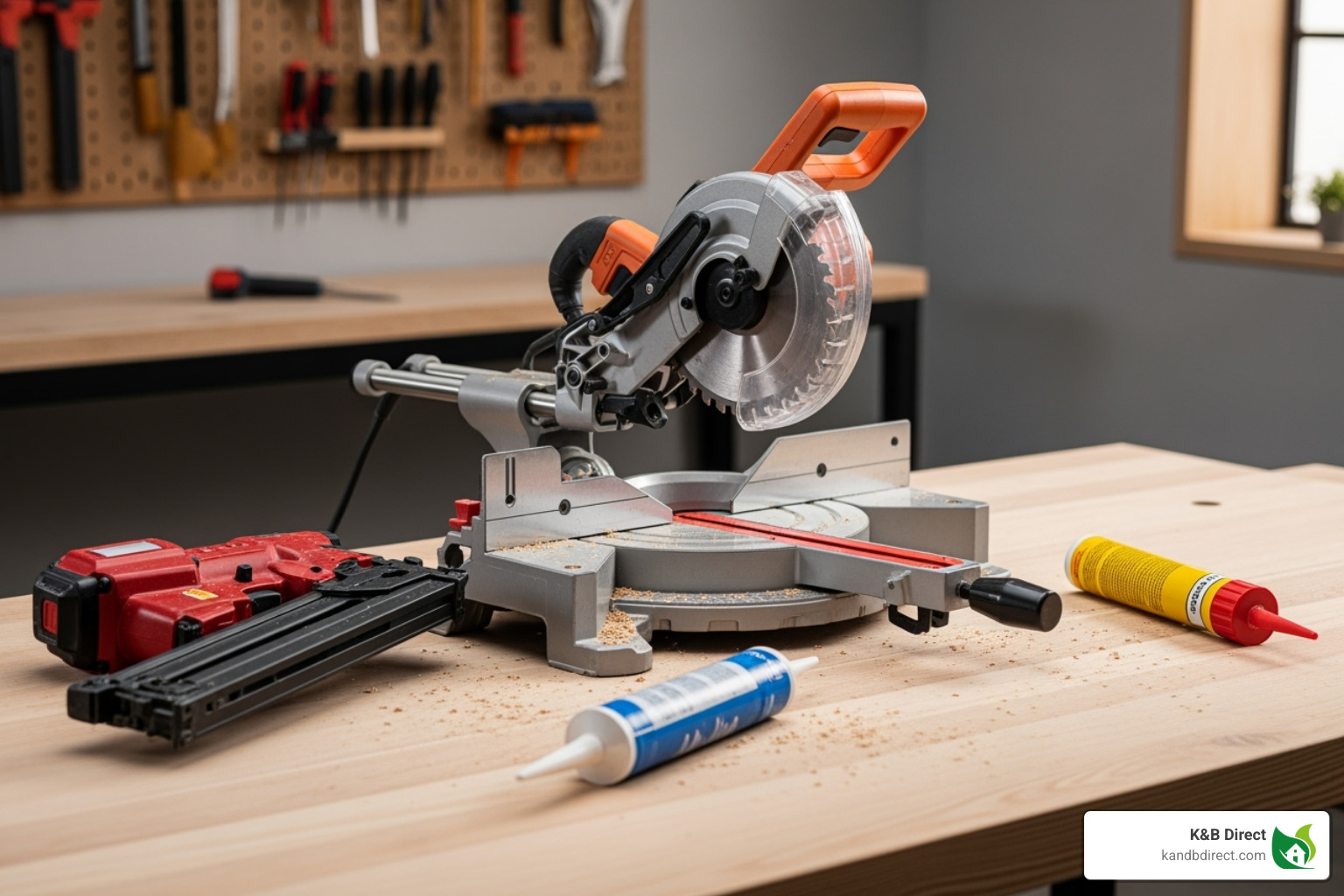
Your miter saw will be your best friend for creating those precise angle cuts, especially when you’re tackling inside and outside corners. A brad nailer makes the fastening process quick and secure, while your trusty measuring tape ensures everything lines up perfectly.
Here’s where PVC gets interesting: construction adhesive or PVC cement creates a bond that’s even stronger than nails alone. For those tricky mitered corners, some installers swear by using clear plumber’s PVC glue to fuse pieces together before nailing. This creates joints so tight they’re practically invisible.
Don’t forget about your coping saw if you want professional-looking inside corners. Coping creates tighter joints than simple miter cuts, especially as your house settles over time. After everything’s in place, caulking fills those small gaps between your moulding and the wall or baseboard for that seamless finish.
For filling nail holes, a white wax stick designed for trim works beautifully, or you can use PVC-compatible spackle for a permanent solution. Here’s a pro tip: remember that PVC expands and contracts with temperature changes, so leave small gaps (about 1/16 inch) at butt joints and where your moulding meets door frames. This prevents buckling and keeps everything looking perfect year-round.
Best Practices for Painting and Finishing
One of the most exciting aspects of PVC base cap moulding is how beautifully it takes paint. While it comes in a crisp white finish that many homeowners love as-is, painting opens up endless possibilities for custom colors that perfectly match your vision.
The secret to a gorgeous, long-lasting finish starts with choosing 100% acrylic latex paint. This paint type bonds exceptionally well with PVC and stays flexible as the material naturally expands and contracts. Some homeowners have finded that vinyl paint works wonderfully too.
While you don’t technically need an oil-based primer with PVC, using a high-quality adhesion primer (like Stix) can make a noticeable difference in paint adhesion and durability. This is especially true if you’re aiming for a very smooth, high-sheen finish that maintains its luster over time.
Proper surface cleaning is your foundation for success. A simple wipe-down with a damp cloth removes dust and debris, and any scuffs usually disappear with a magic eraser. Light sanding with fine-grit sandpaper (around 220-grit) can help the paint grip better, though it’s often not strictly necessary.
When you’re ready to paint, think thin and even coats. Two coats typically give you full coverage and that smooth finish you’re after. Here’s something wonderful about PVC: since it’s solid color throughout, any minor scratches that might happen later won’t show a contrasting substrate color like they would with painted wood.
The best part? You can choose any color your heart desires. PVC’s neutral white base is like a blank canvas, ready to take on whatever custom color scheme brings your dream home to life.
Conclusion: Lift Your Home with the Perfect Trim
So, there you have it! We’ve journeyed through the wonderful world of PVC base cap moulding, and we hope you’re now as excited about its potential as we are. This isn’t just any trim; it’s a fantastic blend of beauty and practicality that can truly transform your home.
We’ve seen how versatile PVC base cap moulding is, capable of much more than just enhancing your baseboards. From creating stunning wainscoting panels and framing doors and windows with neat detail, to adding that perfect touch to fireplace mantels and built-in cabinetry, its uses are endless. It really is that finishing touch that brings your whole room together.
The benefits truly stack up. You get incredible durability, thanks to its resistance to moisture, rot, and pesky termites. This means less worry for you, especially in humid areas like bathrooms or basements. Plus, its low maintenance nature means you can spend more time enjoying your beautiful home and less time on upkeep. While we touched on a few considerations, the long-term value and ease of working with this material, combined with its ability to be painted any color, make it a smart choice for just about any homeowner.
At K&B Direct, we absolutely love helping people create their dream homes. We believe everyone deserves top-quality products without breaking the bank, and that’s exactly what we offer – unbeatable, lowest possible prices with service that always comes with a smile.
Ready to give your home that polished, custom look? We invite you to explore our extensive collection. You’ll find the perfect PVC base cap moulding and other gorgeous millwork solutions to add that exquisite finishing touch to your living spaces. Let’s make your renovation dreams a reality together!
More info about our Base Cap Moulding
More info about Mouldings & Millwork