Find a Better Fit at a Local Cabinet Shop
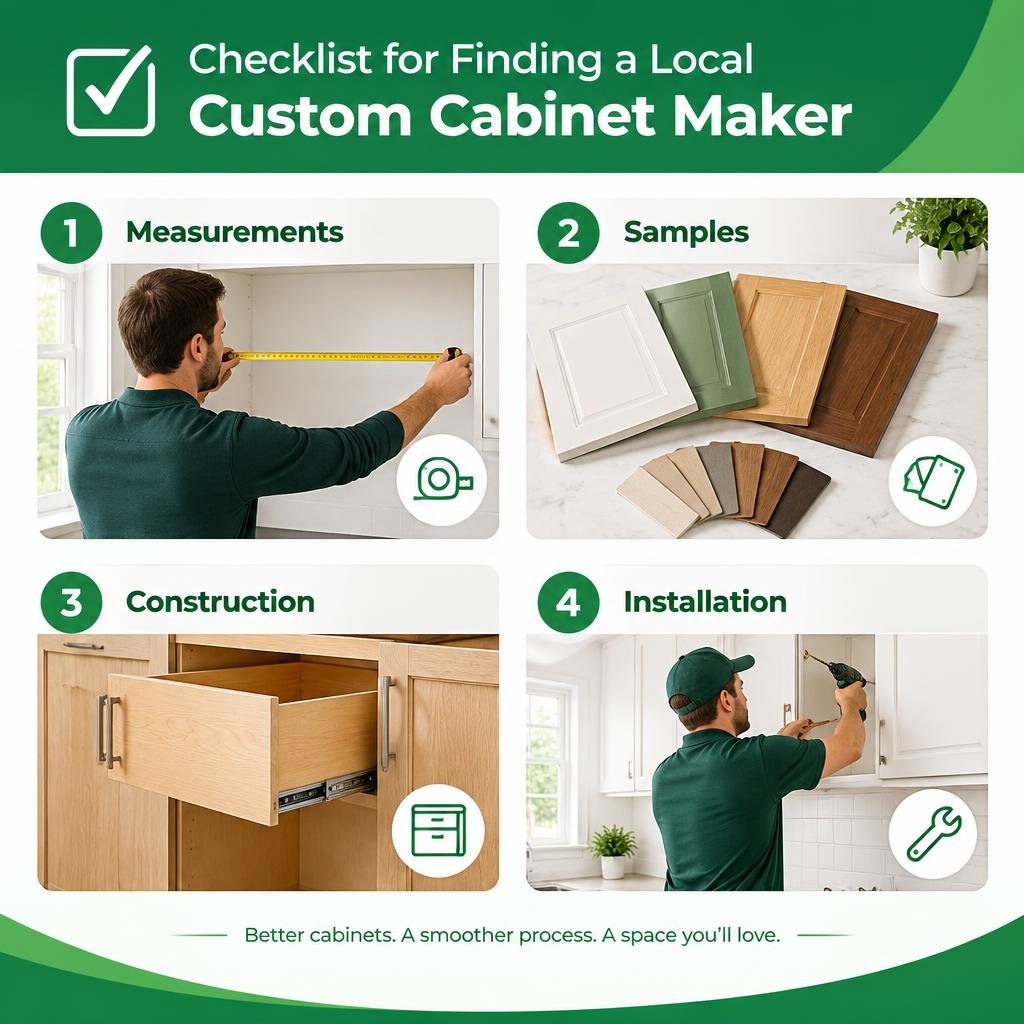
Looking for a local custom cabinet maker? Ask whether the shop offers cabinets made to your measurements. Bring room measurements, compare door and finish samples, inspect cabinet boxes and drawers, and confirm who handles installation. These steps help you find cabinets that fit both your space and your style.
Flat-pack cabinets may suit some rooms, but fixed sizes and limited finishes can mean awkward gaps or design trade-offs. A local cabinet shop gives you a chance to examine your options in person before you choose. According to the Kitchen Cabinet Manufacturers Association, certified cabinetry programs help establish consistent performance standards for materials and construction, which can be a useful reference when comparing products.
Working with a regional specialist gives homeowners direct access to personalized design guidance, superior raw materials, and precision craftsmanship. In standard big-box retail environments, inventory is restricted to mass-manufactured units built to generic specifications. A dedicated woodworking establishment, on the other hand, tailors every component to the specific architectural nuances of your kitchen, bathroom, pantry, or laundry room. Whether dealing with uneven drywall, sloped ceilings, or unique plumbing locations, custom shop professionals understand these unique challenges and provide tailored solutions.
I’m Eryk Piatkowski, owner of K&B Direct. Since 2011, I’ve helped homeowners and professionals select kitchen and bath products through our local cabinet shop, with a focus on quality and service.
Local cabinet shop terms simplified:
Why Choosing Cabinets from a Local Cabinet Shop Elevates Home Design
When updating a kitchen or bathroom, the cabinetry sets the foundation for both visual appeal and daily function. Mass-produced flat-pack assemblies often rely on thin particleboard and basic cam-lock fasteners that degrade under heavy use. In contrast, selecting handcrafted wood cabinets provides the structural strength needed to support heavy stone countertops and everyday storage demands.
Real timber and furniture-grade plywood provide substantial resistance to sagging, warping, and moisture exposure. Choosing carefully crafted elements ensures your kitchen maintains its beauty and utility across decades.
Every home features unique structural characteristics, from distinct ceiling heights to specialized corner angles. Mass-produced flat-pack solutions impose rigid constraints on your floor plan, forcing designers to use extensive fillers that waste usable storage room. A dedicated regional craftsman builds each unit to match the exact physical dimensions of the room, utilizing vertical storage to its fullest capacity while providing custom solutions such as integrated pantry pullouts, spice racks, and specialized tray dividers.
| Feature | Standard Flat-Pack | Quality Crafted Cabinetry |
|---|---|---|
| Primary Material | Low-density particleboard | Solid hardwood & multi-ply core |
| Joinery Method | Cam-locks & plastic dowels | Dovetail joints & pocket screws |
| Dimensional Flexibility | Fixed modular increments | Tailored dimensions & custom fillers |
| Finish Longevity | Thin paper foil or laminate | Multi-step oven-cured stains & paints |
| Hardware Durability | Basic nylon or friction runners | Soft-close steel undermount runners |
| Custom Options | Extremely limited selections | Fully personalized doors & interiors |
| Structural Life Span | Vulnerable to moisture and weight | Built for decades of daily family use |
Finding the Right Cabinet Fit at a Local Cabinet Shop
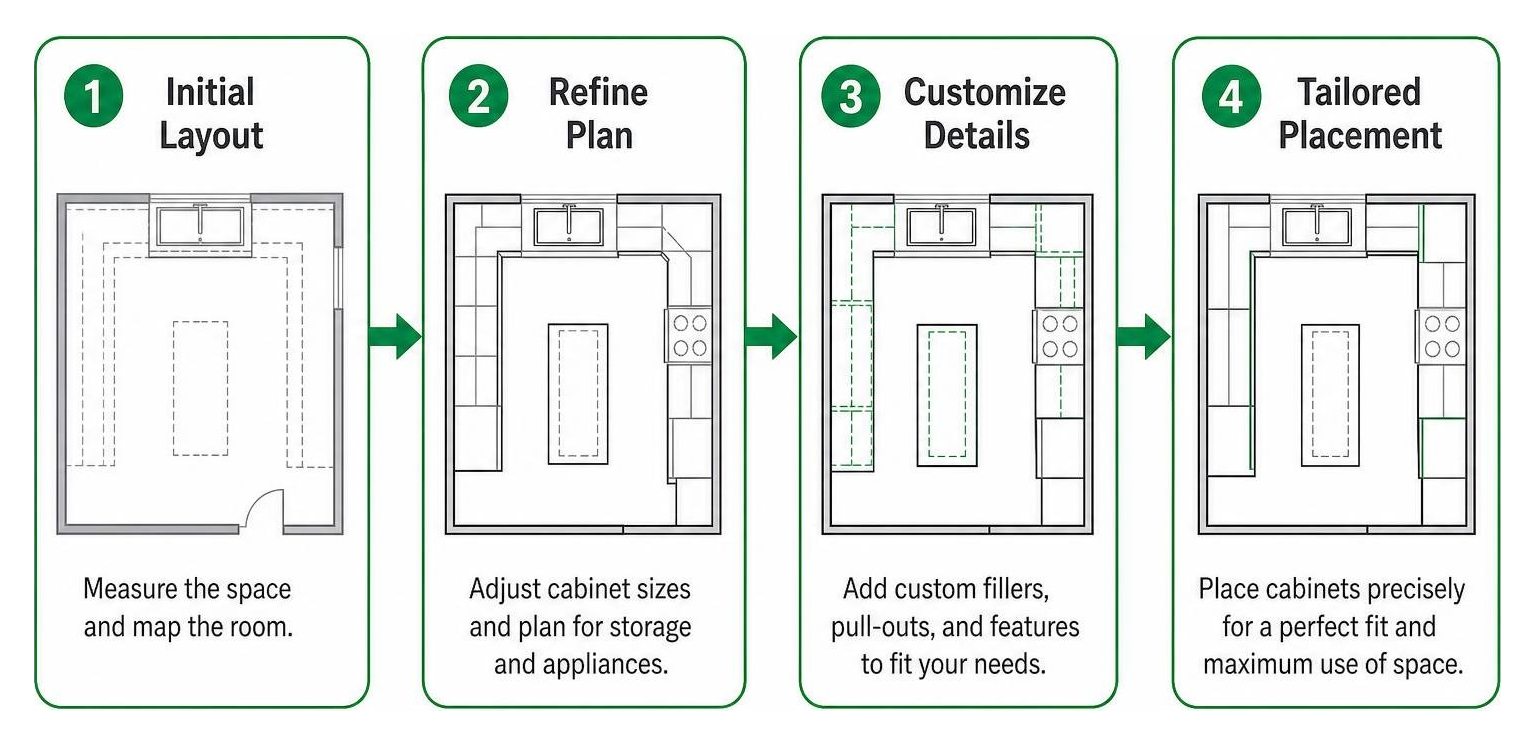
Standard modular cabinetry forces layouts into rigid three-inch increments, frequently leaving awkward gaps that require oversized filler strips. Exploring a comprehensive cabinet shop guide demonstrates that tailored spatial planning eliminates wasted usable area and maximizes storage capacity.
Tailored cabinetry accommodates uneven walls, non-standard ceiling heights, and tight corners with ease. Deep pantries, pull-out spice racks, and specialized vertical dividers fit precisely into the floor plan, transforming awkward nooks into functional storage areas. By collaborating directly with experienced designers at your neighborhood shop, you gain the freedom to configure drawer depths, shelf spacing, and specialty pullouts that reflect your specific daily routines.
In addition, high-end storage optimization goes beyond simple measurements. It involves analyzing work triangles, traffic paths, and appliance locations. A dedicated shop provides customized recommendations that ensure open cabinet doors never obstruct walkways or collide with neighboring appliances. This degree of design attention produces a kitchen layout that feels effortless, intuitive, and remarkably organized.
Assessing Cabinet Materials and Construction
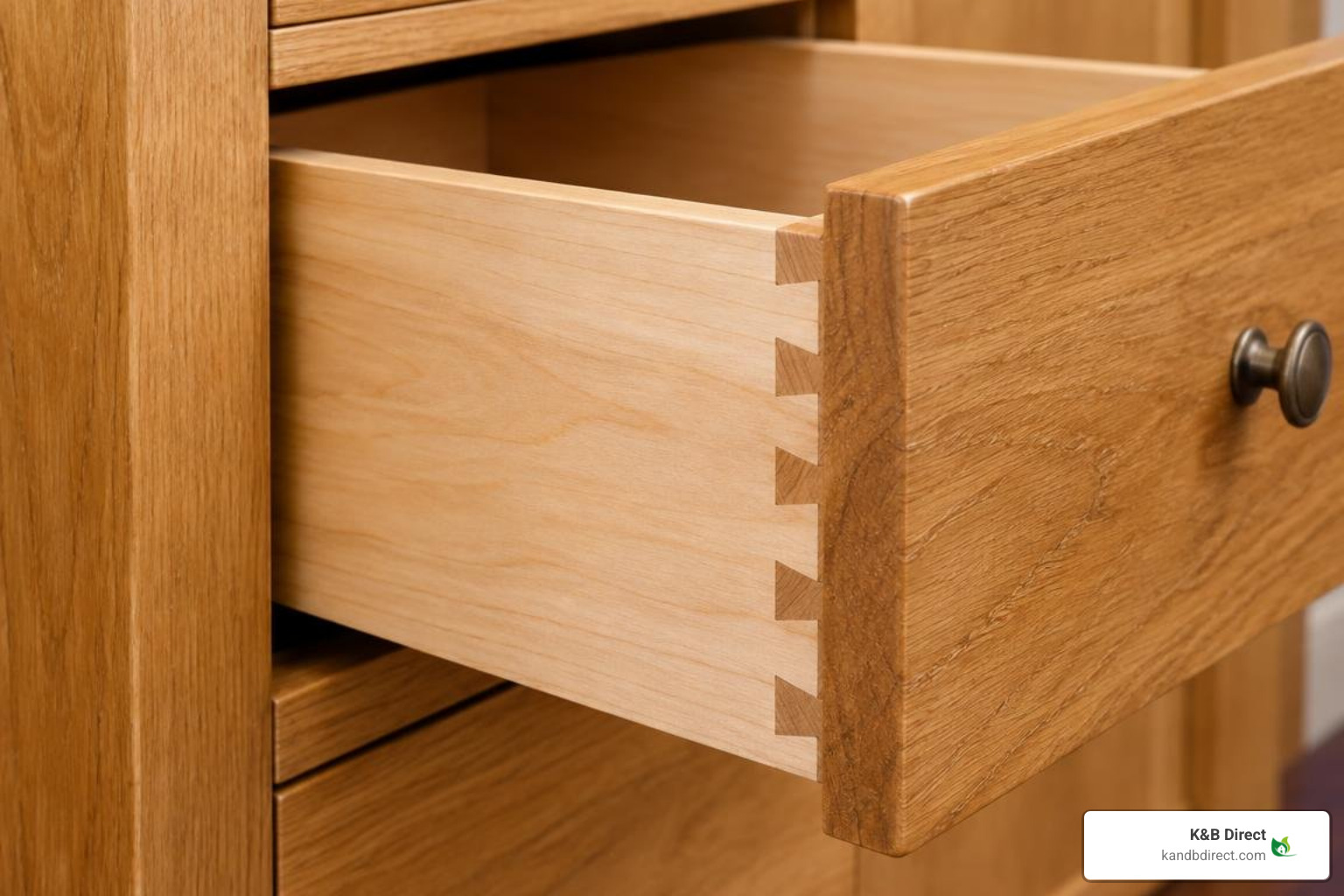
Cabinet endurance depends directly on internal joinery and material density. Premium drawer boxes utilize solid wood sides joined with English dovetail connections, ensuring the drawer base never separates under heavy cookware. Unlike glued or stapled particleboard joints found in economy imports, dovetail connections rely on interlocking wedges of genuine timber that resist tension and mechanical stress.
Solid face frames provide rigid anchoring points for doors and drawer tracks. Sturdy cabinet boxes built with furniture-grade plywood maintain their proper alignment over time, preventing sagging shelves and misaligned doors. Plywood construction also holds screws securely, preventing hinges from loosening even after years of repetitive opening and closing.
Furthermore, high-grade interior coatings protect the wood from accidental spills, cleaning solutions, and humidity. Top-tier cabinetry includes durable, wipe-clean interiors that resist stains, scuffs, and chemical wear. Investing in robust materials guarantees that your investment remains as solid and functional decades down the line as it was on the initial installation day.
The Cabinet Selection and Purchasing Journey
Selecting the right cabinetry involves matching door profiles, species, and protective coatings to your architectural vision. Whether your home calls for timeless inset styles or sleek full-overlay designs, coordinating these elements creates a cohesive living space. A local cabinet shop provides hands-on access to finish samples, allowing you to observe the way natural sunlight and indoor lighting interact with stains, glazes, and paint colors throughout the day.
Finishing details make a dramatic difference. Incorporating complementary architectural cabinet trim such as crown molding, light valances, and decorative baseboards unifies the entire room. These decorative additions bridge gaps between cabinetry and ceiling surfaces, turning independent storage units into built-in architectural features that elevate the entire home’s aesthetic appeal.
Evaluating Cabinet Quality at a Local Cabinet Shop
A hands-on showroom visit allows you to evaluate craftsmanship up close. Examine the consistency of the hand-wiped stain or painted finish across end panels and door profiles to verify smooth, flawless surfaces. Look for multi-step finishing processes that seal the wood grain thoroughly, preventing peeling, cracking, or moisture penetration in high-humidity zones like cooktops and dishwashers.
Test the operation of full-extension, soft-close hardware to ensure quiet movement under weight. Proper face-frame alignment keeps door reveals uniform and prevents rubbing over years of continuous operation. High-grade concealed hinges feature multi-directional adjustment screws, allowing installers to achieve micro-level precision across every door and drawer front in your layout.
Visiting a dedicated showroom also provides direct insight into assembly methods. You can inspect box corner braces, shelf support clips, and back panel thicknesses in person. High-caliber cabinetry utilizes solid hanging rails and thick back panels that distribute weight evenly across wall studs, providing complete peace of mind when loading upper cabinets with heavy dinnerware.

Planning for a Cohesive Cabinet Fit
Flawless installation starts with precise site measurements. Taking into account plumbing rough-ins, electrical outlets, and wall plumbness ensures that each cabinet aligns perfectly during final placement. Seamless integration between upper units, base assemblies, and tall utility cabinets creates a polished architectural presentation throughout your home.
Skilled designers map out every utility pathway, noting the positions of range hoods, sink drains, and under-cabinet illumination systems. This thorough preparation eliminates unpleasant surprises during installation and ensures that every decorative panel, filler, and countertop overhang fits together smoothly. The result is a unified, tailor-made living space that enhances daily living and enhances overall property value.
Frequently Asked Questions About Quality Cabinets
What Distinguishes Quality Cabinets from Standard Flat-Pack Units?
Quality cabinetry features solid hardwood face frames, robust plywood boxes, and interlocking joinery that withstands decades of daily use. Standard flat-pack units generally utilize pressed particleboard and mechanical fasteners that loosen over time when exposed to weight and ambient humidity. Furthermore, quality cabinetry is built to order with tailored dimensions, whereas flat-pack products remain restricted to rigid modular sizes that often require awkward fillers.
Which Hardwood Species Offer Superior Kitchen Durability?
Hard maple, white oak, and cherry offer exceptional density and resistance to impact. Maple provides an ultra-smooth surface for painted finishes, while white oak and cherry feature tight grain patterns that resist moisture fluctuations and wear. Walnut is another exceptional option, cherished for its rich natural coloration and distinctive grain configurations.
What Timeline Is Typical for Choosing and Ordering Cabinets?
The process begins with layout planning, material selection, and site verification. Once specifications are finalized, production and delivery typically span several weeks, ensuring every box and door meets strict quality standards prior to arrival. Taking the necessary time for detailed design revisions and precision production guarantees a superior outcome that avoids installation delays.
Can Custom Cabinetry Accommodate Non-Standard Appliances?
Yes, custom cabinetry is specifically configured to match non-standard appliance specifications, including integrated column refrigerators, built-in espresso machines, and custom range hoods. A dedicated woodworking professional designs custom opening dimensions and reinforced support platforms to ensure every appliance integrates smoothly into the surrounding cabinetry.
Conclusion
Investing in expertly crafted cabinetry transforms your living space, delivering daily convenience and lasting structural performance. Tailored dimensions, resilient hardwoods, and refined finishes create a warm, inviting environment tailored to your lifestyle. Choosing a regional specialist gives you direct access to seasoned design guidance, premium materials, and attentive service that generic retailers cannot match.
When your cabinets are built with solid timber joinery, robust plywood boxes, and precision hardware, your home benefits from enduring beauty and exceptional utility. Explore our premier cabinet store solutions to start crafting the ideal cabinetry for your home.