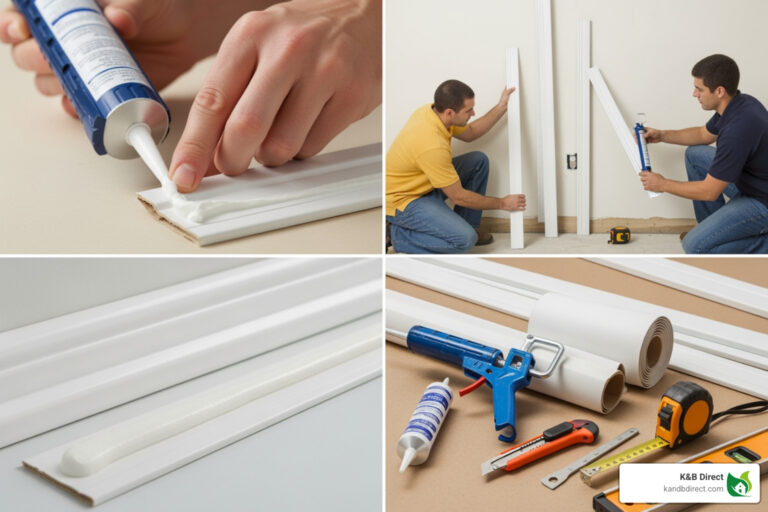
Understanding What 12 Inch Baseboards Mean for Your Space
12 inch baseboards are tall trim profiles designed for rooms with ceilings that are 10′ or higher. Here’s what you need to know:
Quick Facts About 12 Inch Baseboards:
- Recommended For: Ceilings 10’+ tall
- Common Materials: MDF, solid wood (pine, poplar), PVC
- Typical Thickness: 1/2 inch to 1 inch
- Standard Lengths: 8 to 16 linear units
- Visual Impact: Creates dramatic, grounded effect and architectural character
- Best Applications: Grand entryways, living rooms with high ceilings, traditional or neat interiors
The term “12 inch baseboards” can be confusing at first. Some people assume it refers to the length of the boards. It doesn’t. The measurement describes the height of the baseboard—the vertical dimension when installed against your wall.
Most homes use baseboards between 3 and 7 inches tall. These work appropriately for standard 8 to 9′ ceilings. But when you have taller ceilings—10′ or more—those shorter baseboards look undersized and out of proportion. That’s where 12 inch baseboards come in.
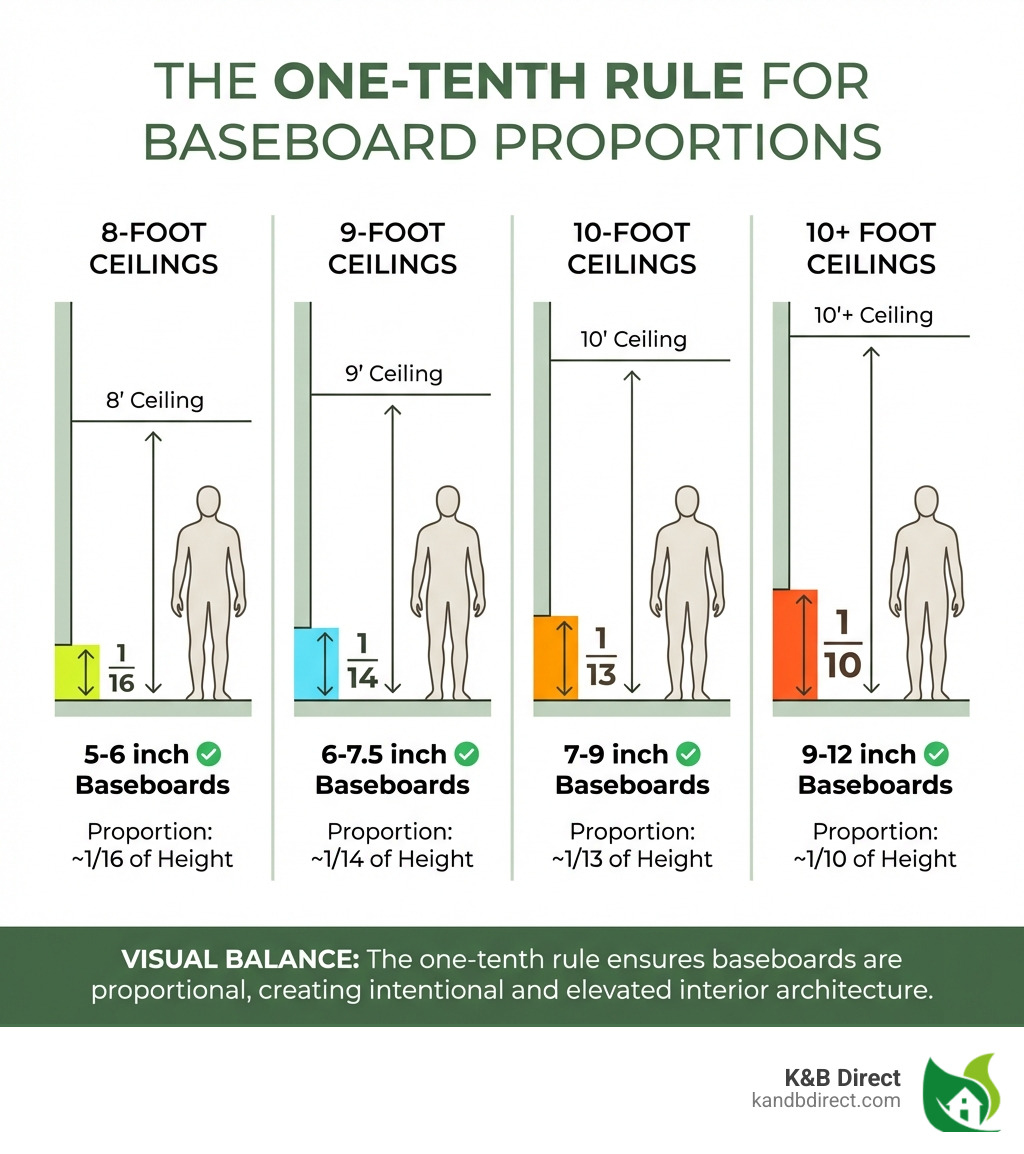
According to industry guidelines, baseboard height should be roughly one-tenth of your ceiling height. For a 10′ ceiling, that means 7 to 9 inches is ideal. For ceilings above 10′, you can comfortably move into the 9 to 12 inch range. This proportion creates visual balance and makes your space feel intentional rather than “builder basic.”
Tall baseboards like these aren’t just about matching proportions. They add architectural character, protect your walls from damage, and can hide imperfections where your flooring meets the wall. They also create a sense of permanence and craftsmanship that lifts the entire room.
I’m Eryk Piatkowski, owner of K&B Direct, where we’ve been helping homeowners select quality millwork including 12 inch baseboards for over a decade. Through working with countless renovation projects, I’ve seen the right trim proportions transform a space from ordinary to exceptional.
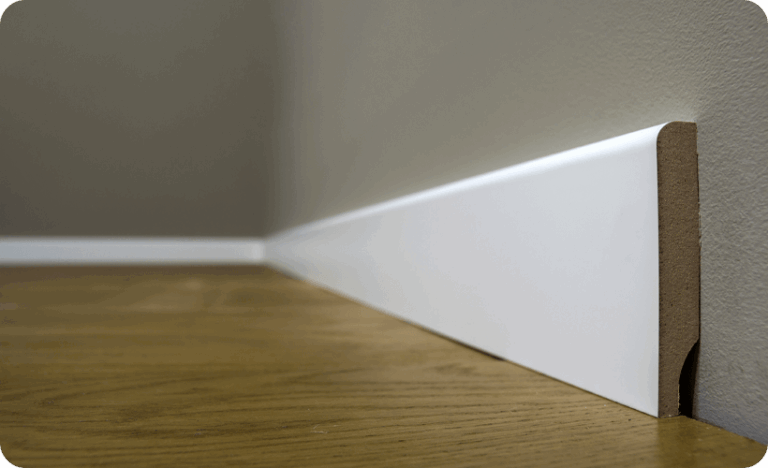
Easy 12 inch baseboards word list:
The Impact of 12 inch baseboards on Interior Design
The choice of baseboard height, particularly when opting for a grander scale like 12 inch baseboards, profoundly influences a room’s aesthetic and perceived size. Think of it as the foundational frame for your walls, much like a picture frame improves a masterpiece. These taller profiles are more than just a decorative strip; they are a statement that speaks to architectural integrity and thoughtful design.
12 inch baseboards create a dramatic effect, instantly elevating the sophistication of a space. They provide a strong visual anchor, grounding the room and making walls appear more substantial and luxurious. This is especially true in rooms with soaring ceilings, where standard 3-5 inch baseboards can get lost, making the walls feel sparse and unfinished. Taller baseboards ensure that the lower portion of the wall feels defined and proportional, contributing to a sense of visual balance.
When we consider room scale, 12 inch baseboards can make a large room feel even grander, emphasizing its volume and stately proportions. They are often seen in traditional, Victorian, or colonial-style homes, where ornate and detailed millwork is a hallmark. With the right profile, they can also be adapted for modern or minimalist designs, providing a clean, bold line that complements contemporary aesthetics. For instance, a simple, flat 12-inch profile can offer a sleek, commanding presence without adding elaborate detail.
Customization is another significant advantage. The substantial height of 12 inch baseboards allows for more intricate profiles or even multi-piece baseboard designs, where different moldings are layered to achieve a unique, custom look. This flexibility in design ensures that your trim can be custom to perfectly match your interior vision, whether you’re aiming for a classic, timeless feel or something more modern and striking. The trim tells a lot about a home’s style, craftsmanship, and story, and choosing the right profile helps communicate that narrative effectively.

Standard Dimensions and Proportions for Tall Trim
When we talk about trim, “standard” often refers to the most common sizes found in typical homes, which are usually 3 1/4″, 4 1/4″, and 5 1/4″ in height. For those seeking a more impactful aesthetic, particularly with higher ceilings, we dig into taller profiles.
Height Variations: While standard baseboard height typically ranges from 3 to 5 inches, with some styles going up to 7 inches, 12 inch baseboards represent the upper echelon of available heights. Taller baseboards, generally around 6 to 8 inches, already create a more dramatic effect. Moving into the 9-12 inch range further amplifies this, ensuring that the trim remains visually significant even in the most expansive rooms.
Thickness Options: Beyond height, thickness is an important dimension. Baseboard thickness typically ranges from 1/2 inch to 1 inch. Thicker baseboards (3/4 to 1 inch) are often preferred in high-traffic areas, as they offer improved resistance to wear and impact, protecting your walls more effectively. Thinner baseboards (around 1/2 inch) can lend a more minimalist look, suitable for modern designs where a sleek, less obtrusive profile is desired. For 12 inch baseboards, a thickness of 5/8 inch to 1 inch is common, providing the necessary substance to support their grand height.
Length Availability: Baseboards are typically manufactured and sold in lengths ranging from 8 to 16 linear units. Longer lengths are always advantageous during installation, as they reduce the number of seams, resulting in a cleaner, more professional finish. For larger rooms that often feature 12 inch baseboards, maximizing length minimizes visual interruptions.
To help visualize the comparison of 12 inch baseboards to more common sizes, we’ve put together a quick reference:
| Baseboard Height | Typical Ceiling Height | Aesthetic Impact | Common Profiles |
|---|---|---|---|
| 3-5 inches | 8-9′ | Standard, subtle | Rounded, flat |
| 5-7 inches | 9-10′ | Improved, balanced | Sculpted, colonial |
| 7-9 inches | 10′ | Significant, neat | Colonial, detailed |
| 9-12 inches | 10’+ | Dramatic, grand | Ornate, custom, multi-piece |
For more general information on dimensions and sizes, you can refer to this Guide to Standard Baseboard Dimensions & Sizes.
Choosing 12 inch baseboards for High Ceilings
The primary reason to choose 12 inch baseboards is to achieve proportional balance in rooms with high ceilings. As we mentioned, the “one-tenth rule” suggests that baseboard height should be roughly one-tenth of the ceiling height. For rooms with ten-plus-inch ceilings or higher, a 9 to 12 inch baseboard fits this guideline perfectly, creating a visually harmonious space.
Imagine a room with vaulted ceilings reaching 12′ or more. If you were to install a standard 4-inch baseboard, it would appear insignificant, almost like a thin line at the bottom of a vast wall. This can make the room feel disproportionate and unfinished. 12 inch baseboards, on the other hand, provide a substantial visual weight that anchors the room, drawing the eye down and creating a sense of stability and grandeur. They effectively manage the room’s volume, preventing the space from feeling too expansive or cavernous.
This dramatic anchoring effect is particularly desirable in formal living rooms, dining rooms, grand entryways, or studies within our Illinois homes. It’s about making a deliberate design choice that improves the architectural character of your home, ensuring that every element, from the flooring to the ceiling, contributes to a cohesive and impressive aesthetic.
Material Selection and Moisture Resistance
The material you choose for your 12 inch baseboards is just as important as their height, influencing both their appearance and longevity. We offer a variety of options, each with its own advantages.
Primed MDF (Medium-Density Fiberboard): This is a very popular choice. MDF is engineered wood that offers a smooth, uniform surface, making it excellent for painting. It’s stable and less prone to warping than solid wood, especially in fluctuating humidity. Many of our customers in the Chicagoland area choose primed MDF for its consistent finish and ease of installation, knowing it will hold paint beautifully.
Solid Wood (Pine, Poplar, Oak): For those who prefer the natural grain and warmth of real wood, solid wood baseboards are an excellent option. Pine and Poplar are softer woods that are easy to cut and nail, and they take paint or stain appropriately. Oak offers a more durable and distinct grain, often chosen when a stained finish is desired to showcase the wood’s natural beauty. Solid wood can be sanded and refinished, offering long-term versatility. While generally more susceptible to warping than MDF if not properly sealed, quality solid wood baseboards are robust and can match window and door casings for a cohesive look.
PVC (Polyvinyl Chloride): When moisture resistance is a top priority, PVC baseboards are the champion. Unlike wood or MDF, PVC is completely impervious to water, making it an ideal choice for bathrooms, kitchens, laundry rooms, or basements where humidity and potential spills are a concern. PVC baseboards will not rot, swell, or warp due to moisture, offering peace of mind and minimal maintenance. They are available in various styles and can be painted to match your decor.
When considering moisture resistance, it’s crucial to select the right material for the environment. PVC is the go-to for high-humidity areas, helping to prevent the common issues of warping and decay. Even with MDF or solid wood, proper sealing and painting act as a protective barrier.
Material Options for 12 inch baseboards
At K&B Direct, we understand that every home in Illinois has unique needs and styles. That’s why we ensure our 12 inch baseboards are available in materials that cater to both aesthetics and functionality.
Pine: A versatile softwood, pine is an excellent option for painting. It’s readily available, relatively easy to work with, and takes paint beautifully, allowing for a crisp, clean finish that can match any color scheme.
Poplar: Known for its smooth texture and consistent grain, poplar is another fantastic choice for painted baseboards. It’s slightly harder than pine, which can make it a bit more durable, and it also holds paint exceptionally well.
MDF Durability: As mentioned, MDF is a highly durable and stable material. Its uniform composition means it won’t split or crack like natural wood can, and it’s less affected by changes in temperature and humidity, making it a reliable choice for long-lasting 12 inch baseboards.
Custom Profiles: The beauty of working with us is the ability to create custom profiles. If you have a specific design vision for your 12 inch baseboards that isn’t available off the shelf, our custom milling services can bring that vision to life. This means you can achieve truly unique and personalized architectural details for your home.
Finger-Jointed Wood: This type of wood is created by joining smaller pieces of wood together with “finger” shaped joints and adhesive. This process results in long, straight, and stable pieces that are less likely to warp or bow than solid, single-piece lumber. Finger-jointed pine or poplar is often primed and ready for paint, offering a reliable option for tall baseboards.
Installation and Finishing Techniques
Installing 12 inch baseboards is a project that benefits greatly from precision and attention to detail. While the principles are similar to installing smaller baseboards, the added height requires careful handling and robust installation methods to ensure a flawless and long-lasting finish.
We typically recommend a combination of nail applications and adhesive methods for securing 12 inch baseboards. The traditional nail-on approach, using a nail gun, provides strong mechanical fastening. For taller and heavier baseboards, adding construction adhesive to the back before nailing offers an extra layer of security, preventing any potential gaps or movement over time. Proper wall preparation is key; ensuring your walls are clean, dry, and debris-free will help the adhesive bond effectively. Using a level throughout the process is paramount to achieving perfectly straight lines, especially with such a prominent trim.
When it comes to finishing, pre-finished baseboards offer a convenient solution. These boards come from the factory with a durable paint or stain applied, ready for installation. This saves significant time and effort on-site. If you opt for unfinished or primed baseboards, you have complete freedom to choose your desired color and sheen.
For painted 12 inch baseboards, we often suggest satin or semi-gloss finishes. These sheens are durable, easy to clean, and beautifully highlight the profile of the trim. Satin offers a subtle luster, while semi-gloss provides a more reflective, polished look that can make your baseboards truly pop. For a cohesive and intentional look, many homeowners choose to paint their baseboards a crisp white, or a tone-on-tone color that subtly contrasts or blends with the wall color.
Achieving seamless joints is crucial for a professional appearance. This involves precise miter cuts at inside and outside corners, and scarf joints for joining lengths along a straight wall. Filling nail holes and any minor gaps with wood putty or caulk before the final coat of paint ensures a smooth, integrated finish that makes your 12 inch baseboards look like they were always meant to be there.
Benefits of Quality Millwork in Modern Homes
Investing in quality millwork, especially substantial elements like 12 inch baseboards, offers a multitude of benefits that extend beyond mere aesthetics for your Illinois home. We believe these details are fundamental to creating a truly finished and exceptional living space.
Firstly, baseboards serve a vital function in wall protection. They act as a barrier against daily wear and tear, shielding the bottom of your walls from scuffs, kicks, and impacts from furniture or vacuum cleaners. This is particularly valuable in high-traffic areas, where quality, durable baseboards can significantly reduce the need for wall repairs over time.
Secondly, baseboards are excellent at hiding imperfections. They neatly cover the often uneven gap where the flooring meets the drywall, creating a clean, crisp transition. This small detail dramatically improves the perceived quality of construction and finish in a room.
The aesthetic longevity provided by quality millwork is undeniable. Well-chosen and well-installed 12 inch baseboards won’t just look good today; they will continue to improve your home’s interior for years to come. Their timeless appeal often outlasts transient decor trends, contributing to an enduring sense of style and sophistication. This long-term beauty is a hallmark of the quality products we offer at K&B Direct.
Furthermore, the customization possibilities with quality millwork are expansive. With 12 inch baseboards, you have the canvas for unique profiles, multi-layered designs, or specific paint finishes that truly reflect your personal style and the architectural character of your home. This level of customization allows you to create a home that feels uniquely yours, rather than a generic space.
Finally, installing quality millwork can significantly improve your home’s overall value. Thoughtful architectural details are highly regarded by potential buyers, signaling a well-maintained and thoughtfully designed property. It’s an investment that pays dividends, enhancing both your daily enjoyment and your home’s market appeal. We help our customers realize their dream home aesthetics by providing these top-quality products that make a tangible difference.
Frequently Asked Questions about Tall Trim
We often hear questions about selecting and applying taller baseboards. Here are some of the most common inquiries regarding substantial trim like 12 inch baseboards.
What ceiling height is best for 12-inch trim?
12 inch baseboards are best suited for rooms with ceiling heights of 10′ or more. The general guideline, often referred to as the “one-tenth rule,” suggests that your baseboard height should be roughly one-tenth of your ceiling height for optimal proportionality. For example, while 8′ ceilings typically look best with 5 to 6-inch baseboards, and 9′ ceilings can handle 6 to 7.5-inch baseboards, anything taller than 10′ can comfortably move into the 9 to 12 inch baseboard range. This ensures the trim provides a strong visual anchor and doesn’t get lost in the expansive wall space, creating a balanced and grand aesthetic.
Can these baseboards be used in humid areas?
Yes, 12 inch baseboards can certainly be used in humid areas, but the material choice becomes paramount. For spaces prone to high moisture, such as bathrooms, kitchens, laundry rooms, or basements in our Illinois climate, we highly recommend PVC baseboards. PVC is a synthetic material that is completely waterproof, making it impervious to rot, swelling, and warping caused by humidity or direct water exposure. While MDF and solid wood can be used, they require diligent priming and painting with moisture-resistant paints, and even then, they are not as resilient as PVC in consistently humid conditions. Proper ventilation in these areas is also crucial, regardless of the baseboard material, to manage moisture levels effectively.
What are the most popular profile styles for tall baseboards?
For 12 inch baseboards, popular profile styles often lean towards designs that complement their grand scale. While specific trends can vary, some enduring favorites include:
- Colonial: A classic and timeless choice, often featuring a rounded or ogee curve at the top, offering a traditional, neat look.
- Craftsman/Shaker: These profiles are characterized by clean lines and minimal detailing, providing a sturdy, substantial appearance that suits a more understated or modern farmhouse aesthetic.
- Modern/Minimalist: For contemporary spaces, a flat, square-edge profile with minimal or no decorative elements is popular. This emphasizes the height and creates a sleek, bold statement.
- Multi-piece/Built-up: With the generous height of 12 inch baseboards, many homeowners opt to create custom, multi-piece baseboards by layering different moldings. This could involve combining a simpler baseboard with an additional cap molding or a small shoe molding at the top or bottom to create a unique, highly detailed look that perfectly matches the architectural style of a high-ceilinged room.
The choice of profile often depends on the overall interior design of your home, with more ornate styles suiting traditional settings and simpler profiles fitting contemporary spaces.
Conclusion
The journey to understanding 12 inch baseboards reveals that they are far more than just a functional element; they are a powerful design statement, capable of changing the look and feel of a room. From creating dramatic visual impact in high-ceilinged spaces to offering robust wall protection and hiding imperfections, their benefits are clear. Choosing the right material, whether it’s durable MDF, classic solid wood, or moisture-resistant PVC, ensures longevity and performance custom to your home’s specific needs. And with careful installation and thoughtful finishing, these grand profiles can lift your interior to a new level of sophistication.
At K&B Direct, we are passionate about helping our customers in the Chicagoland area and throughout Illinois realize their dream home aesthetics. We pride ourselves on offering top-quality products, including a wide selection of millwork that caters to every style and requirement. Our professional service ensures you find exactly what you need to make your home truly exceptional. We invite you to explore the possibilities that quality millwork can bring to your space.
Browse our selection of baseboard today and find the perfect finish for your home.