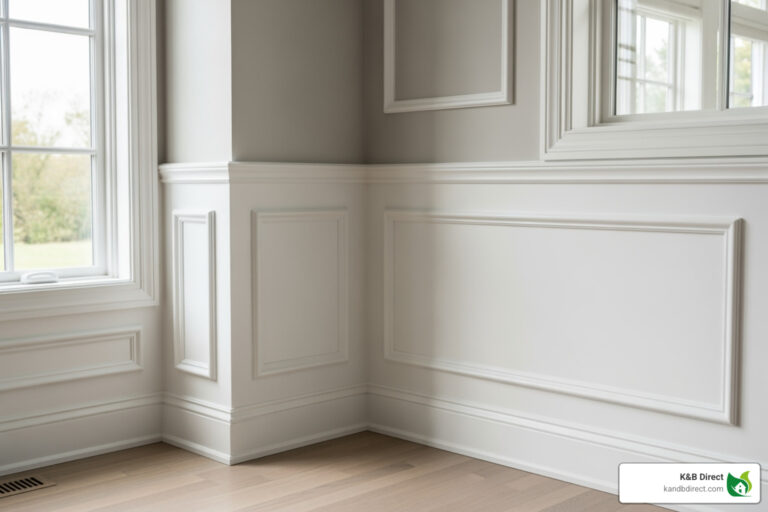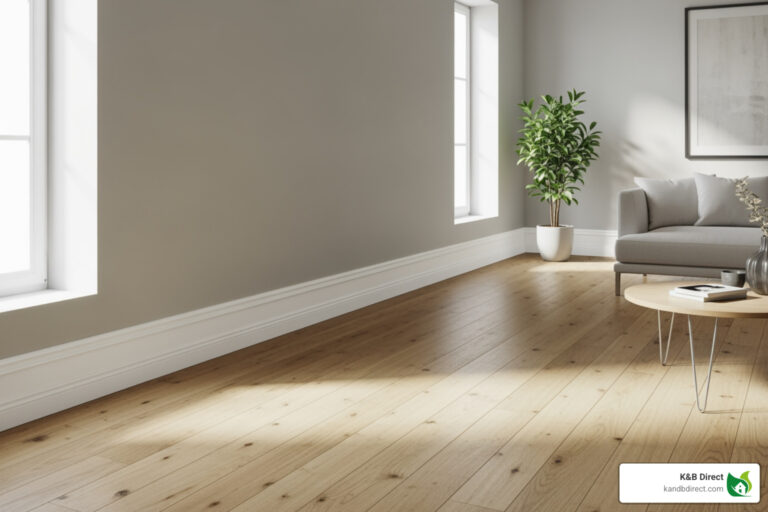
Why 3-Piece Baseboard Transforms Ordinary Rooms
A 3 piece baseboard is a layered trim system that combines three separate moulding components—a flat stock board, a decorative base cap, and a shoe moulding—to create a taller, more architecturally detailed baseboard than standard single-piece options.
Quick Answer: Installing a 3-Piece Baseboard
- Install the flat stock board (the widest piece) directly to the wall studs at floor level
- Attach the base cap moulding along the top edge of the flat stock for decorative detail
- Add shoe moulding at the bottom to cover gaps between the baseboard and floor
Key Benefits:
- Creates custom heights ranging from 5 to 9+ inches
- Adds visual depth and character that single-piece baseboards can’t match
- Hides uneven floors more effectively through the flexible shoe moulding
- Delivers a high-end, custom look at a reasonable material expense
If you’ve ever walked into a room and noticed the trim work first—the clean lines, the stacked profiles, the way the moulding seems to anchor the entire space—you were likely looking at a 3-piece baseboard system. While the research shows that most retailers focus on standard single-piece baseboards (with over 210 products available at major home improvement stores), the traditional 3-piece approach remains the choice of professionals and design-conscious homeowners who want that extra level of sophistication.
The beauty of this system lies in its flexibility. As noted in industry materials, solid wood baseboards “can look good for decades or centuries,” and when you build up a layered profile, you’re not just installing trim—you’re adding architectural character that increases perceived home value. The three-component design also solves practical problems: the flat stock provides a stable foundation, the base cap adds decorative flair, and the shoe moulding (as one manufacturer explains) “covers any gaps that might lie between the bottom of baseboard and the floor” where rigid single-piece boards simply can’t conform to uneven surfaces.
I’m Eryk Piatkowski, owner of K&B Direct, and over the past decade I’ve helped countless homeowners select and install quality mouldings, including countless 3 piece baseboard projects that transformed ordinary rooms into spaces with real architectural presence. Whether you’re renovating a historic home or adding traditional details to a new build, understanding the way these three components work together will help you achieve professional results.
What is a 3-Piece Baseboard and Why Choose It?
A 3 piece baseboard system is a sophisticated approach to interior trim that goes “beyond the standard” single-piece options. Instead of a single, pre-formed board, it’s a “built-up moulding” design, meaning it’s assembled from multiple individual components. This layering creates significant architectural character and visual depth, distinguishing it from simpler alternatives.
The primary advantage of opting for a 3 piece baseboard is its ability to create a truly custom look. We can achieve custom heights, ranging from a substantial 5 inches to an impressive 9 inches or more, simply by choosing a taller flat stock board. This flexibility is crucial for rooms with varying ceiling heights or specific design requirements. Beyond aesthetics, this layered approach offers practical benefits, such as superior gap coverage, especially when dealing with slightly uneven floors, thanks to the flexibility of the shoe moulding. This not only improves the room’s appearance but also provides better protection for the lower portion of your walls against daily wear and tear. For a deeper dive into wall-to-floor transitions, explore our comprehensive Baseboard Moulding Guide. To understand the broader context of different trim elements, check out our guide on Types of Moulding. For additional background on baseboards in general, you can also review the overview on baseboards from Wikipedia.
The Three Core Components
Understanding the individual pieces is key to appreciating the elegance and functionality of a 3 piece baseboard. Each component plays a distinct role:
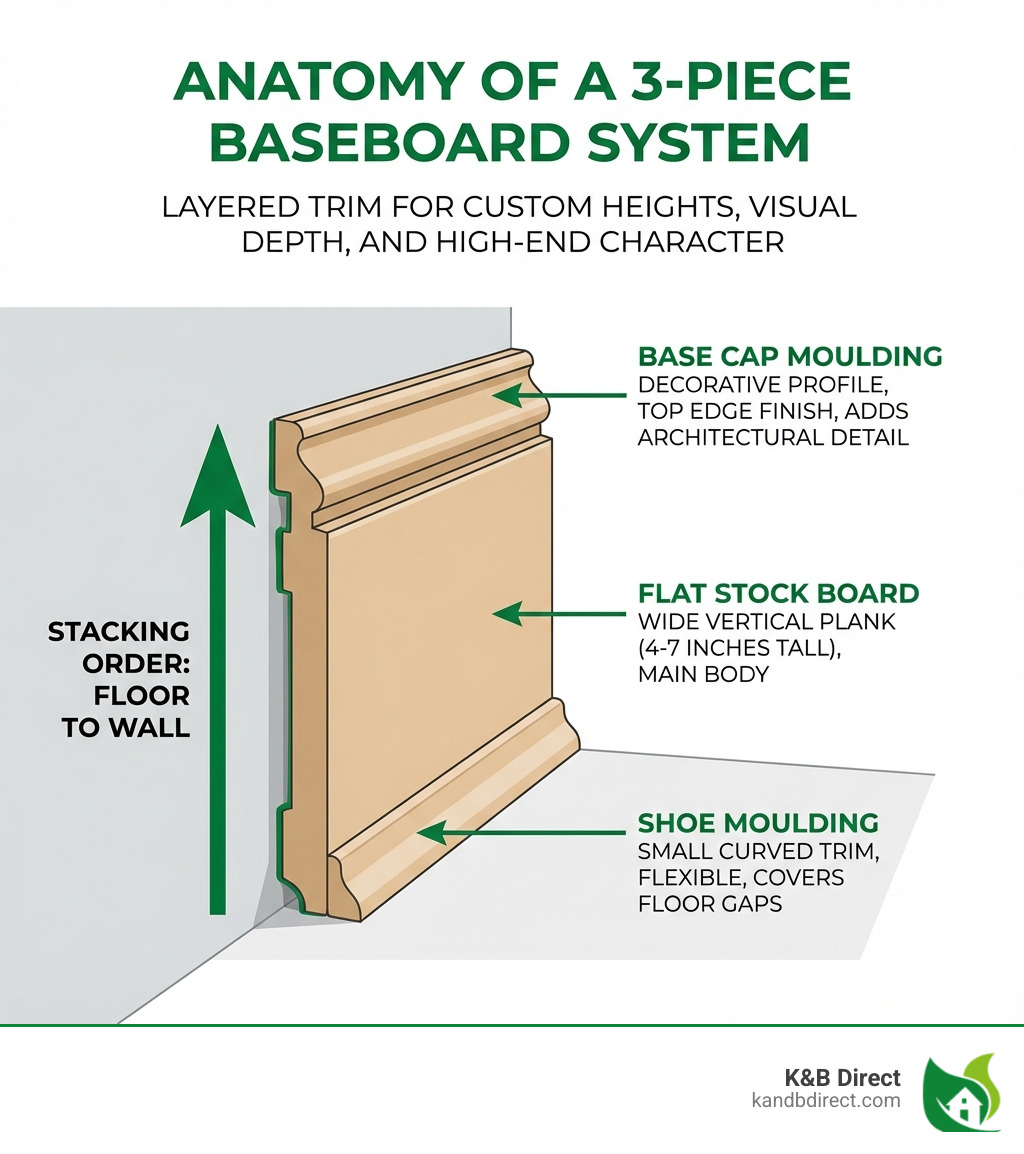
- Flat Stock Board: This is the foundational and widest piece of the system, a simple, flat board that runs along the bottom of the wall. Its primary purpose is to establish the height of the baseboard and provide a stable surface for the other two components. It can be a plain, right-angled board or have a slight bevel.
- Base Cap Moulding: Attached along the top edge of the flat stock board, the Base Cap Moulding is the decorative crown of the baseboard. It features an intricate, often curved or stepped profile that adds an neat transition from the baseboard to the wall. This piece is where much of the architectural character and detail come from.
- Shoe Moulding: This is the smallest and most flexible piece, positioned at the very bottom, where the flat stock meets the floor. Its gentle curve or quarter-round shape is designed to hug the floor, effectively covering any minor gaps that naturally occur between the baseboard and an uneven floor. Because of its flexibility, it can conform to slight variations in flooring much better than a rigid single-piece baseboard.
Together, these three components create a layered design that is both substantial and visually appealing, offering a much more decorative profile than a simple, single-piece baseboard.
Aesthetic and Functional Advantages
The choice of a 3 piece baseboard goes beyond mere decoration; it offers both significant aesthetic and functional advantages that lift a room’s overall appeal and longevity.
From an aesthetic standpoint, the layered design significantly improves visual interest. The multiple profiles and depths create shadows and highlights that add richness and sophistication, making the room feel more custom and thoughtfully designed. This level of detail contributes to a higher perceived value for your home. For spaces with tall ceilings, a grand, tall 3 piece baseboard creates a proportionate scale, anchoring the room beautifully and preventing the walls from feeling too stark or empty at the bottom.
Functionally, the system excels in several areas:
- Superior Gap Coverage: As mentioned, the shoe moulding is a true hero here. While a single, stiff baseboard might leave noticeable gaps if your floor isn’t perfectly level, the flexible shoe moulding can bend and conform, providing a seamless finish that protects against dust, drafts, and debris. This means a cleaner, more finished appearance, even in older homes with charming imperfections.
- Wall Protection: Like all baseboards, the 3 piece baseboard acts as a robust barrier, protecting the lower portion of your walls from scuffs, impacts, and splashes from cleaning. The added thickness and layering of a 3-piece system offer even greater resilience.
- Architectural Detail: The built-up nature of this trim allows us to introduce more intricate profiles and create a sense of history and craftsmanship, making even a modern home feel more grounded and neat. Mouldings serve both a functional and decorative role, covering the joint between walls and floors while adding a clean, finished appearance to your interior.
Selecting Materials and Profiles for Your Project
Choosing the right materials and profiles is crucial for ensuring your 3 piece baseboard not only looks stunning but also stands the test of time. The market offers a diverse range of options, with numerous products available in various materials and styles, reflecting the high demand for quality trim.
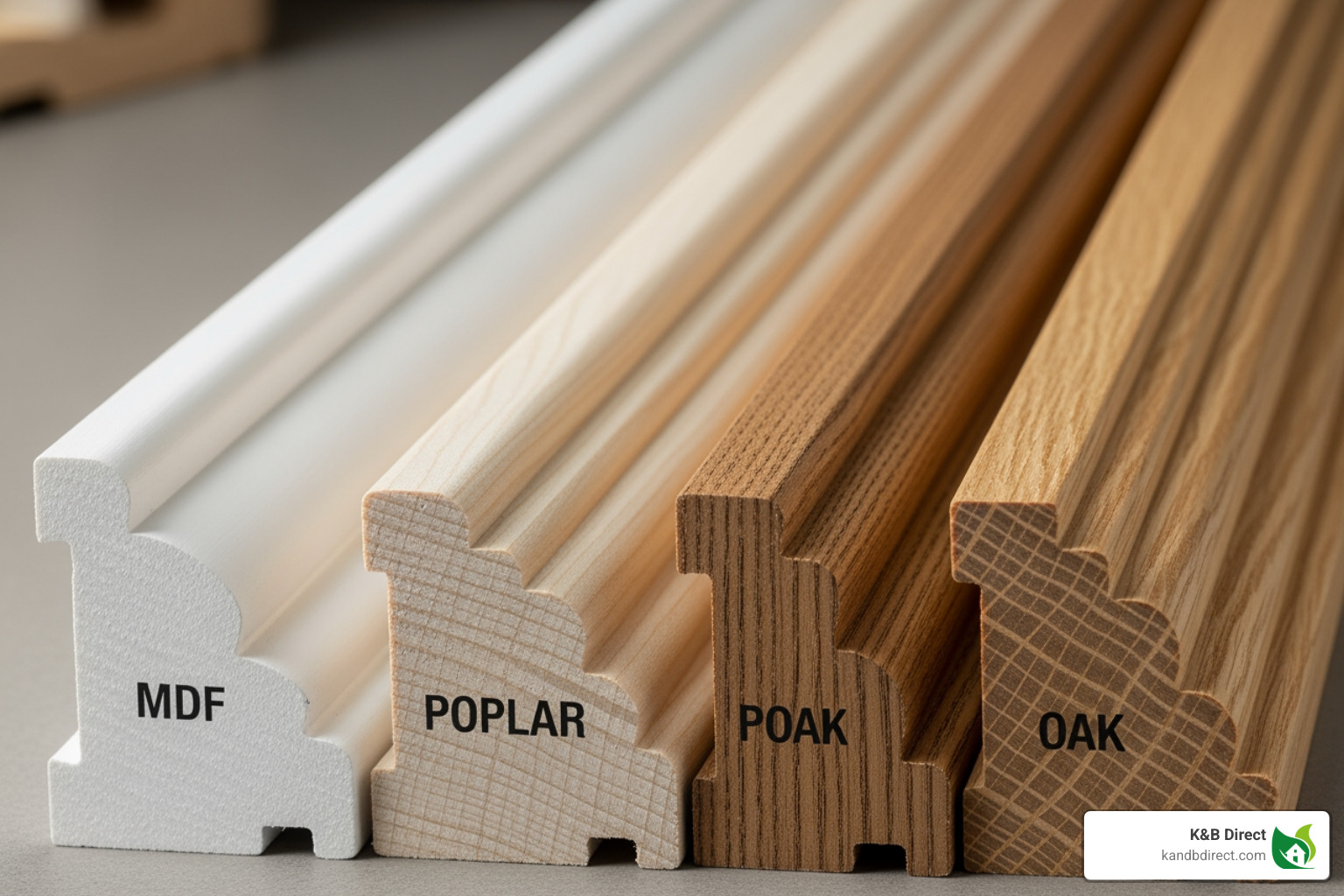
When making your selection, consider the overall aesthetic of your home, the room’s function, and your desired finish. For a deeper understanding of wood options, explore our guide on Wood Moulding. To help visualize different design possibilities, consult our Base Cap Moulding Profiles Guide.
Common Materials for Layered Baseboards
The material you choose for your 3 piece baseboard will impact its durability, finish, and suitability for different environments. Here are some of the most common options we work with in the Chicagoland area:
- Medium-Density Fiberboard (MDF): This engineered wood product is incredibly popular due to its smooth surface, which is ideal for painting. It’s stable, resists warping, and is often an accessible choice. Many of our local suppliers offer a vast selection of MDF options, with numerous products often being primed and ready for your chosen paint color. It’s an excellent choice for a uniform, painted finish.
- Primed Pine: Finger-jointed pine (FJP) is a common choice for baseboards, offering a good balance between workability and durability. Like MDF, it’s typically sold primed, making it ready for paint. It holds paint effectively and is a step up in resilience from MDF, especially if you anticipate light impacts.
- Poplar: A hardwood that is prized for its smooth grain and ability to take paint exceptionally. Poplar is more durable than MDF or pine and is an excellent choice for painted 3 piece baseboard systems where a higher-quality wood is desired. It’s often available in various lengths, making it versatile for various room sizes.
- Oak (Red and White): For a rich, natural wood finish that will be stained, oak is an unbeatable choice. It’s a durable hardwood that showcases beautiful grain patterns. While it requires more finishing work, solid wood options like oak are highly resilient to water contact and their edges are less susceptible to chipping compared to MDF. Indeed, quality solid wood baseboards can maintain their appearance for decades or even centuries, making them a long-term investment. Local suppliers often provide excellent hardwood selections.
- PVC: For areas prone to moisture, such as bathrooms, kitchens, or basements, PVC moulding is a fantastic alternative. It’s impervious to water, rot, and insects, making it incredibly durable. While not typically stained, it can be painted to match any decor. We even have a specific guide for PVC Base Cap Moulding Guide.
When selecting materials, we often advise our clients to consider the unique properties of solid wood versus engineered options. While MDF offers a great paintable surface and stability, solid wood like oak or poplar is “altogether more forgiving,” easier to work with, and more resilient to moisture.
Choosing Profiles for a Cohesive Look
The beauty of a 3 piece baseboard lies in its ability to be customized through profile selection. The flat stock, base cap, and shoe moulding can be chosen to complement your home’s architectural style and existing trim, creating a truly harmonious interior. We believe the right baseboard profile complements casing and creates a seamless wall-to-floor transition.
Here are some popular profile combinations and considerations:
- Traditional/Colonial: Often features a taller flat stock with an ornate, flowing base cap (like a classic ogee or cove profile) and a quarter-round or traditional shoe moulding. This creates a rich, historical feel, perfect for older homes in areas like Glen Ellyn or Barrington.
- Craftsman/Mission: Emphasizes clean lines and a more substantial, blocky appearance. The flat stock might be taller with a simpler, less ornate base cap—perhaps a subtle chamfer or a small cove. The shoe moulding would likely be a simple quarter-round or a right-angled profile.
- Modern/Contemporary: Focuses on minimalist, sleek lines. The flat stock would be tall with a very simple, often right-angled, base cap. The shoe moulding might be a simple right-angled profile or a very small, unobtrusive quarter-round, or even omitted in some minimalist designs (though we generally recommend it for practical gap coverage).
- Transitional: Blends elements of traditional and modern styles. This offers great flexibility, allowing for a slightly decorative base cap on a clean flat stock, for example.
Matching your new baseboards with existing window and door casings is key to a cohesive design. Local millwork specialists can guide you through selecting profiles that work together seamlessly. For an extensive look at available decorative options, check out our Base Cap Moulding Profiles Complete Guide.
A Step-by-Step Guide to Assembling Your 3-Piece Baseboard
Installing a 3 piece baseboard is a rewarding project that can significantly improve the character of any room. While it involves a few more steps than a single-piece installation, the process is straightforward with the right tools and a bit of patience. We’ll walk you through each stage, from preparation to the final touches.
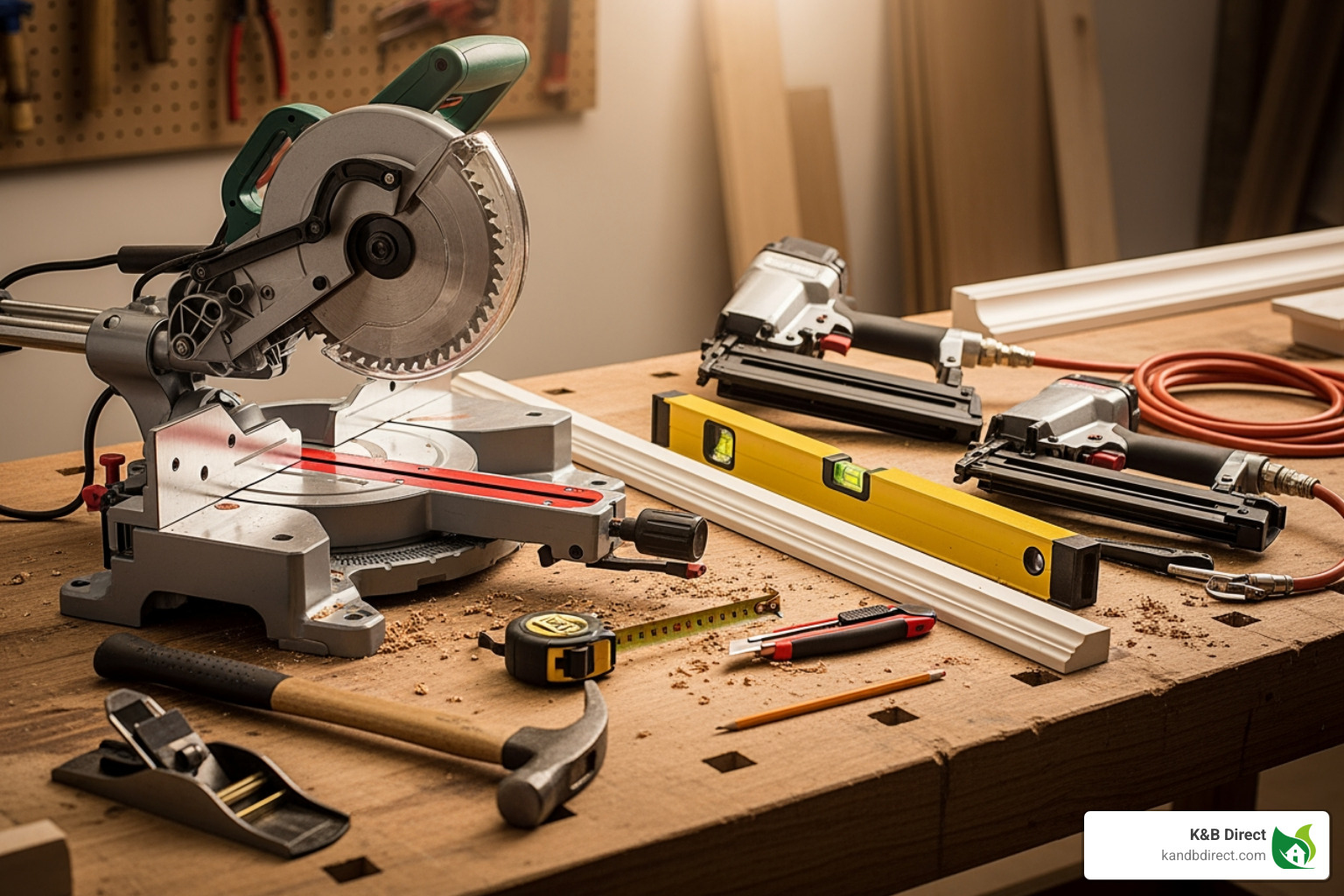
Step 1: Preparation and Flat Stock Installation
This initial step lays the foundation for your entire 3 piece baseboard system, so precision here is paramount.
- Wall Preparation: Before anything else, ensure your walls are clean, smooth, and free of any old trim, nails, or debris. If necessary, address any holes or damage.
- Locating Studs: Using a stud finder, mark the location of all wall studs along the perimeter of the room. These marks will guide where you nail your flat stock, ensuring a secure attachment.
- Measuring and Cutting the Base Plank: Measure each wall section accurately. When cutting the flat stock, use a miter saw to create 45-degree angles for outside corners (long point out) and 45-degree angles for inside corners (short point out). For long runs, you may need to join pieces using a 45-degree scarf joint for a seamless look.
- Nailing the Flat Stock: Position the cut flat stock board against the wall, ensuring it sits flush with the floor. Use a level to check that it’s perfectly horizontal. Using a finish nailer (with 1.5-2 inch nails), drive nails into the studs, about 1/2 inch from the top and bottom edges of the flat stock. Avoid nailing too close to the very bottom, as the shoe moulding will cover this area.
Step 2: Attaching the Base Cap
The base cap adds the decorative flair and creates a refined transition to the wall. This step requires careful attention to detail for clean, crisp lines.
- Measuring and Cutting: Measure the length of the flat stock on each wall section. Cut your base cap pieces to size, again using a miter saw for inside and outside corners. For outside corners, the base cap will typically extend slightly beyond the flat stock, creating a small “ear” that wraps around the corner. For inside corners, cope the joints for the tightest fit—this involves cutting one piece straight and shaping the end of the other to fit precisely against its profile.
- Mitering Inside and Outside Corners: While coping is ideal for inside corners, mitering is a common technique. Cut 45-degree angles for both inside and outside corners, ensuring they meet perfectly. A test fit before nailing is always a good idea. For a detailed guide on this component, refer to our Guide to Installing Base Cap Moulding resource.
- Securing the Cap Moulding: Apply a small bead of construction adhesive to the back of the base cap where it will meet the flat stock. Position the base cap along the top edge of the flat stock, ensuring it’s flush. Use a finish nailer with smaller nails (1-1.5 inches) to secure it, driving nails through the base cap into the flat stock, and ideally, into the wall studs where possible.
- Creating a Tight Fit: Pay close attention to corners and joints. Any small gaps can be filled later with caulk, but the goal is to achieve the tightest fit possible during installation.
Step 3: Finishing with Shoe Moulding
The shoe moulding is the final touch, designed to bridge any gaps between the baseboard and the floor, ensuring a polished and professional appearance.
- Measuring and Cutting: Measure each section where the shoe moulding will go. Shoe moulding, being smaller, is more flexible and forgiving. For inside corners, coping is the preferred method for the neatest fit. For outside corners, a simple 45-degree miter cut usually suffices.
- Covering Floor Gaps: As we’ve learned, shoe moulding’s primary function is to cover those pesky gaps that can occur with uneven floors. Its flexibility allows it to conform beautifully to slight variations, creating a seamless transition.
- Coping Joints: For inside corners, cope one piece of shoe moulding to fit tightly against the face of the perpendicular piece. This method hides imperfections better than a miter joint, especially as wood expands and contracts.
- Nailing into the Baseboard, Not the Floor: This is a crucial detail! When attaching the shoe moulding, drive your finish nails (1-1.25 inches) downward at an angle into the flat stock baseboard, not into the floor. Nailing into the floor can restrict its natural movement with seasonal changes, potentially leading to cracks or separation.
- Achieving a Professional Finish: Once all three components are installed, fill all nail holes with wood putty, sand smooth, and caulk all seams where the baseboard meets the wall, and where the base cap meets the flat stock. This preparation is key before priming and painting or staining your new 3 piece baseboard.
Design Applications and Styling
The versatility of a 3 piece baseboard allows us to integrate it into a wide array of architectural styles and room types. It’s not just about covering a joint; it’s about making a deliberate design statement. For more general information on the ways baseboards contribute to interior aesthetics, take a look at our Baseboard Trim guide.
Ideal Spaces for a Grand Baseboard
A 3 piece baseboard system truly shines in specific settings where its grandeur can be fully appreciated:
- Rooms with High Ceilings: The taller profile of a built-up baseboard provides a sense of balance in rooms with soaring ceilings. A standard 3-inch or 4-inch baseboard (common heights in the market) can look diminutive, whereas a 6-inch to 9-inch 3 piece baseboard creates appropriate scale and proportion.
- Formal Living Rooms and Dining Rooms: These are often the showpiece areas of a home, and a 3 piece baseboard adds a layer of sophistication that aligns with their purpose. It contributes to an neat and refined atmosphere, perfect for entertaining guests.
- Grand Entryways and Foyers: The first impression of your home often comes from the entryway. A substantial baseboard here immediately conveys quality and attention to detail, setting the tone for the rest of the house.
- Historic Homes and Traditional Architecture: Many older homes, especially in areas like Crystal Lake or Long Grove, feature intricate millwork. A 3 piece baseboard is a natural fit, allowing us to replicate or improve the authentic architectural details of the period. It honors the home’s heritage while providing modern protection.
Styling Your 3-Piece Baseboard for Modern and Transitional Homes
While often associated with traditional styles, the 3 piece baseboard can be adapted beautifully to modern and transitional interiors. The key lies in profile selection and finishing:
- Clean-Lined Profiles: For a modern aesthetic, we’d opt for a flat stock with a very simple, perhaps right-angled, base cap rather than an ornate one. The shoe moulding would also be minimalist, possibly a simple right-angled profile. This creates a substantial yet understated trim.
- Minimalist Approach: Even with three components, the overall design can be minimalist. The focus would be on the height and clean lines, with less emphasis on intricate curves. The substantial presence of the baseboard itself becomes the design feature.
- Contrasting Paint Colors: For a bold, modern statement, consider painting the 3 piece baseboard a contrasting color to the wall. A dark charcoal baseboard against a light wall, or a crisp white against a rich wall color, can create dramatic visual interest and define the space.
- Integrating with Other Moulding: Ensure your 3 piece baseboard complements other Moulding elements in the room, such as door casings and crown moulding. For modern designs, consistency in clean lines is important. For transitional, you can blend subtle curves with straight edges.
- Creating a Bold Feature: The sheer presence of a tall, expertly-crafted 3 piece baseboard can itself be a bold design feature, grounding the room and providing a visual anchor that draws the eye.
Conclusion
The 3 piece baseboard is truly “beyond the standard.” It’s an investment in the architectural integrity and aesthetic appeal of your home, offering a level of customization and visual depth that single-piece alternatives simply cannot match. We’ve explored the ways this layered system—comprising a flat stock, base cap, and shoe moulding—not only improves the beauty of a room but also provides superior functional benefits like better gap coverage and wall protection.
From the resilience of solid oak to the paint-ready smoothness of MDF, we’ve seen that material choices impact durability and finish. We’ve also highlighted the importance of selecting profiles that align with your home’s unique style, whether it’s a historic residence in Winnetka or a contemporary space in Schaumburg. And with our step-by-step installation guide, you’re now equipped with the knowledge to approach this rewarding project with confidence.
At K&B Direct, we believe in helping you achieve your dream home aesthetics with top-quality products. A thoughtfully-chosen and expertly installed 3 piece baseboard can transform an ordinary space into one with undeniable character and elegance. If you’re ready to lift your home’s aesthetics and create truly custom trim work, we invite you to explore our full selection of baseboard options to start your project.