
Why Your Interior Door Supply Choice Can Make or Break Your Home Renovation
Choosing your interior door supply is about more than just filling an opening; it’s about creating first impressions, ensuring privacy, and controlling noise. The doors you choose will impact your home’s function and style for years to come.
Quick Interior Door Supply Options:
- Solid Core Doors – Best for sound insulation and durability ($150-$400)
- Hollow Core Doors – Budget-friendly, lightweight option ($75-$200)
- Pre-hung Doors – Include frame, easier installation ($200-$500)
- Slab Doors – Door only, requires existing frame ($100-$300)
- Popular Styles – Shaker, panel, flush, French, and barn doors
The interior door market is projected to reach $15.8 billion by 2032, reflecting a growing focus on interior design and home improvement.
“Interior doors are the first thing someone sees when entering a room, and the last thing they see when leaving it,” notes one industry expert. “Interior doors make a huge style impact and reflect your personal style as subtly or loudly as you choose.”
Beyond aesthetics, solid core doors offer superior sound insulation for bedrooms and offices, while glass panel doors can improve natural light flow.
I’m Eryk Piatkowski, owner of K&B Direct. With over a decade in the home improvement industry, I’ve learned that the right interior door supply partner saves you time, money, and headaches during any renovation.
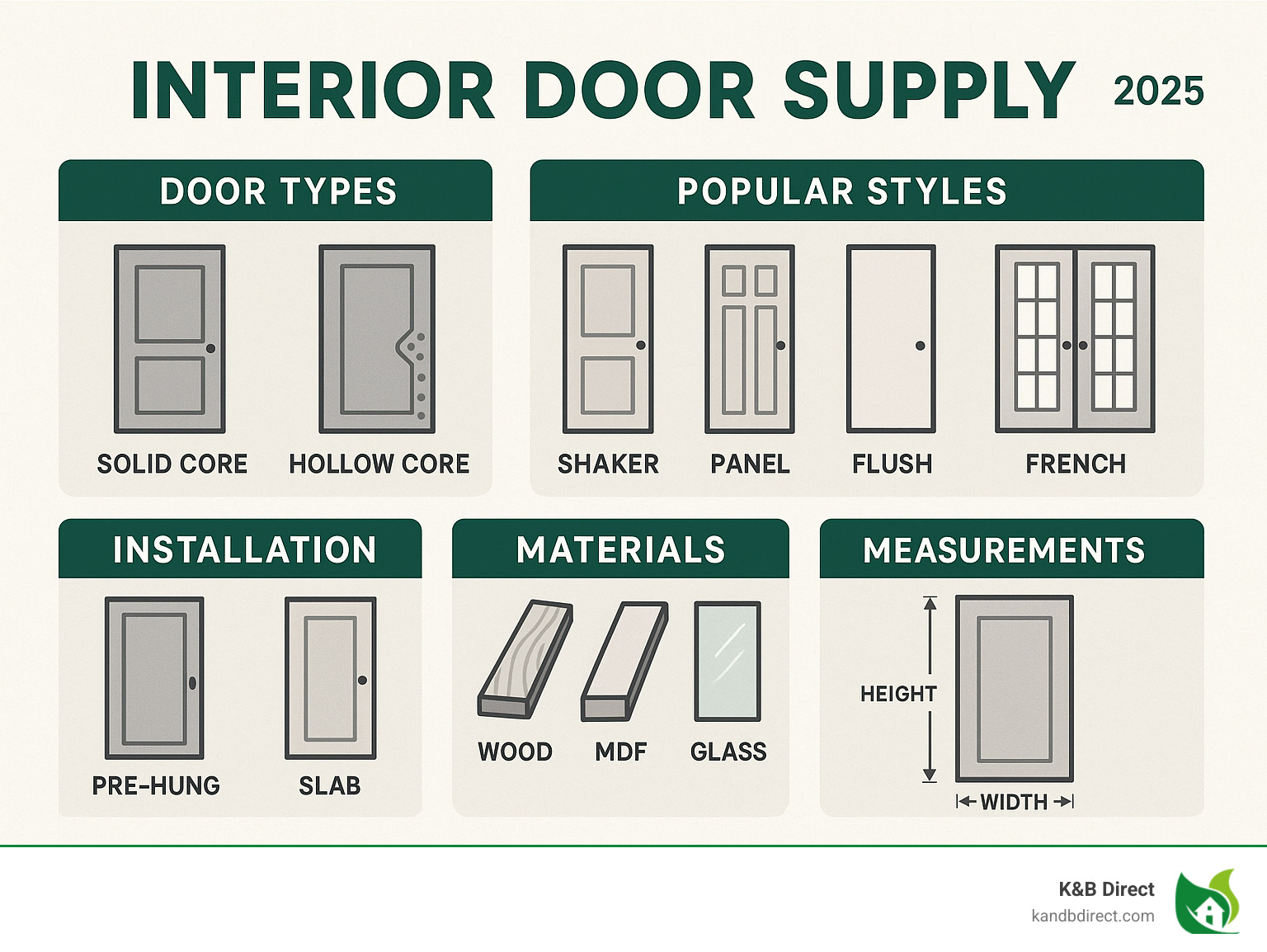
Essential interior door supply terms:
Deconstructing the Door: Materials, Cores, and Construction
Before choosing a style, it’s crucial to understand a door’s fundamental components: materials, core construction, and how they’re supplied.
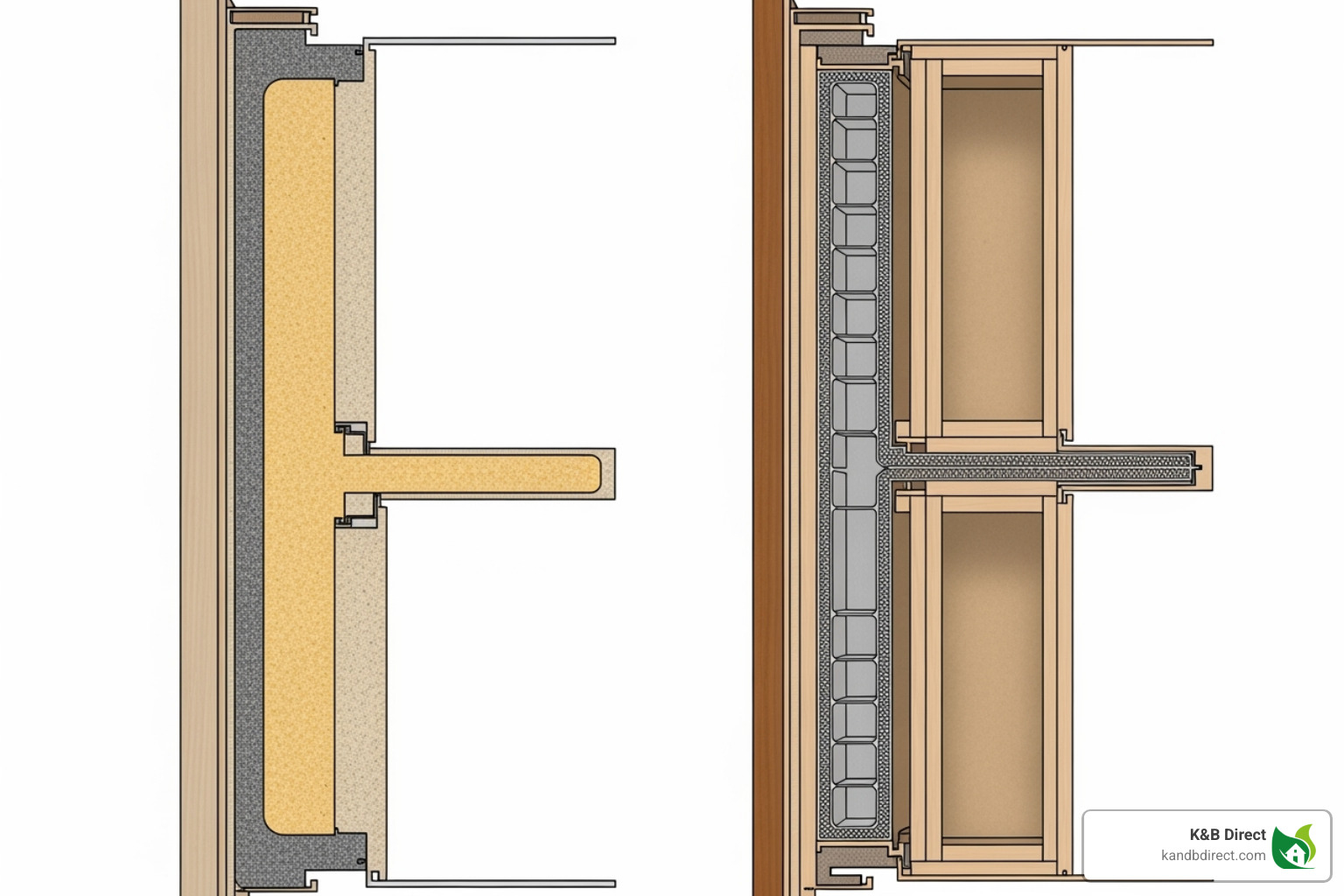
Solid Core vs. Hollow Core: The Great Debate
Your choice between solid and hollow core doors will impact sound insulation, durability, and your budget.
-
Solid Core Doors: These doors have a solid interior of composite material like MDF or particleboard. They are engineered for a heavy, substantial feel, offering excellent sound insulation and superior durability. They feel more expensive and robust, making them ideal for bedrooms, home offices, and bathrooms where privacy and noise reduction are paramount. While heavier and more expensive ($150-$400 for a slab), they offer a tangible sense of quality.
-
Hollow Core Doors: These doors have a lightweight frame with a honeycomb cardboard or wood filler. They are budget-friendly ($75-$200 for a slab) and easier to install but offer poor sound insulation and are more prone to damage. They are best suited for closets, pantries, or low-traffic areas.
Here’s a quick comparison to help you weigh your options:
| Feature | Solid Core Doors | Hollow Core Doors |
|---|---|---|
| Sound Insulation | Excellent, significantly reduces noise transfer | Poor, minimal sound dampening |
| Durability | High, resistant to impact, dents, and warping | Low, prone to dents, holes, and less resistant to wear |
| Weight | Heavy, requires sturdy hinges and frames | Lightweight, easy to handle |
| Cost | Higher | Lower |
| Feel | Substantial, high-quality | Flimsy, less substantial |
| Best For | Bedrooms, offices, bathrooms | Closets, pantries, low-traffic areas |
A Guide to Door Materials
Beyond the core, the door’s surface material is key to its appearance and durability.
- Solid Wood Doors: Crafted from a single wood species, these doors offer natural beauty and are highly durable. They can be refinished multiple times but are the most expensive option and can be susceptible to humidity changes if not properly sealed.
- MDF (Medium-Density Fiberboard) Doors: Made from wood fibers and resin, MDF doors are very stable and less prone to warping than solid wood. Their smooth finish is ideal for painting, making them an affordable and popular choice for styles like Shaker doors.
- Glass Panel Doors: These doors incorporate glass inserts to improve natural light and add visual interest. Available in clear, frosted, or textured glass, they are perfect for connecting spaces like dining and living rooms. Modern Interior Doors with sleek glass designs can brighten hallways, while frosted options offer a balance of light and privacy.
Pre-Hung vs. Slab: Which is Right for Your Project?
When ordering your interior door supply, you’ll choose between a pre-hung unit or a slab door.
- Pre-Hung Doors: This is a complete unit with the door slab already hinged to a new frame. They are much easier and faster to install, especially for new construction or when the existing frame is damaged. A pre-hung door simplifies the process, ensuring a perfect fit.
- Slab Doors: This is just the door panel, without a frame, hinges, or hardware. It’s a more affordable option if your existing frame is in good, square condition. However, installation requires more precision and carpentry skills. For more on this, see our guide on How to Replace an Interior Door.
Finding Your Style: From Classic Panels to Modern Trends
Interior doors are integral design elements that contribute to your home’s aesthetic, reflecting your personality and influencing the feel of a room.
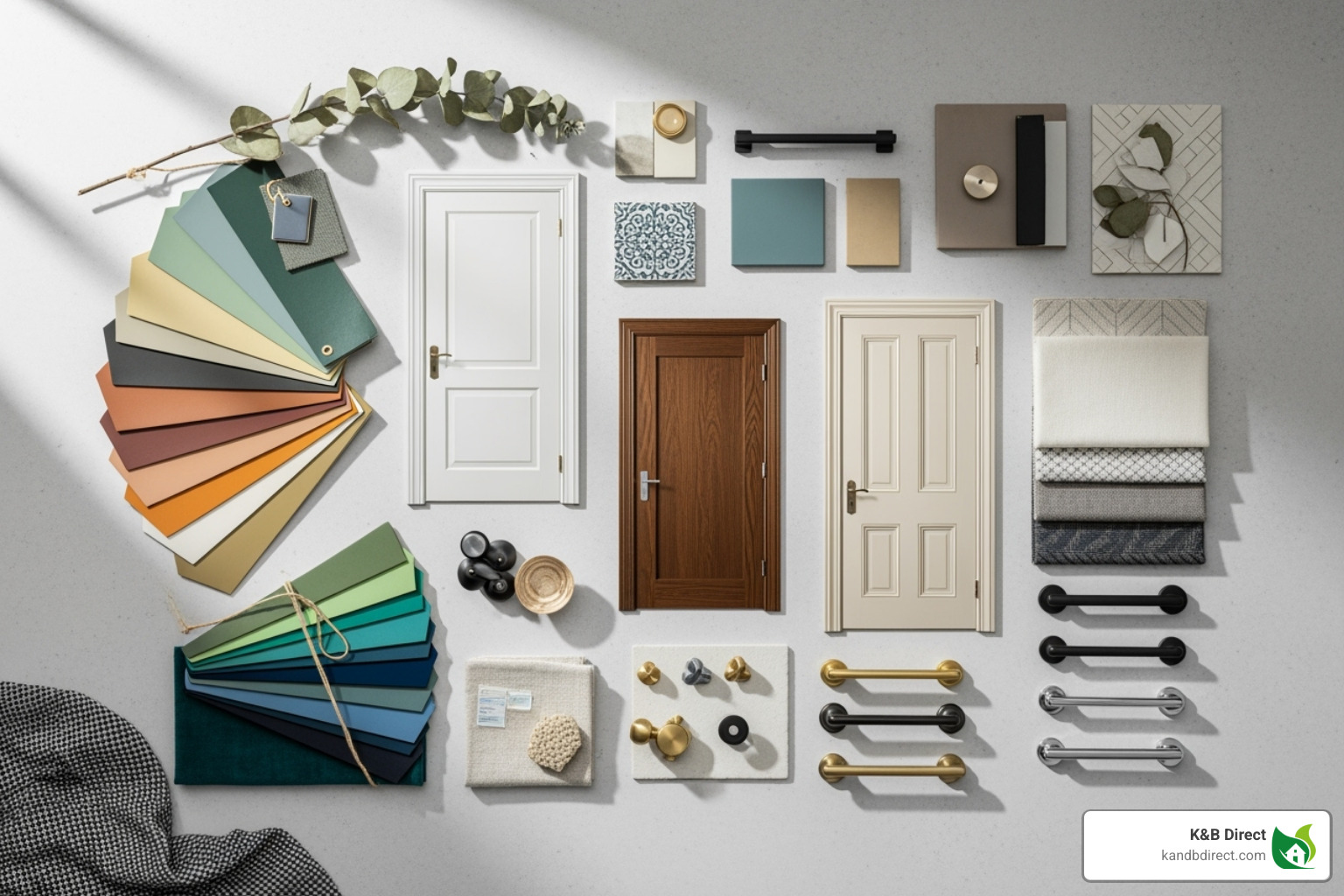
Popular Interior Door Styles
Choosing the right style from your interior door supply can transform a space.
Shaker doors are a go-to for timeless elegance. Featuring clean lines and recessed flat panels, their versatility suits both farmhouse kitchens and modern bedrooms. “Shaker style doors are a popular choice for interior doors, known for their simple and versatile design.” We offer various configurations, including 2 Panel Shaker, 3 Panel Shaker, and 5 Panel Shaker doors.
Panel doors bring traditional charm and architectural interest with raised or recessed panels that create texture. Our Interior Doors 6 Panel is a perennial favorite for traditional homes.
Flush doors are the minimalist’s choice. Completely flat and smooth, they offer a sleek, contemporary look. “Flush interior doors offer a sleek, modern aesthetic that improves the simplicity and elegance of any room.” They provide a clean canvas for bold paint colors. See our Interior Doors Flush collection for understated elegance.
French doors, typically featuring multiple glass panes, add European sophistication. “French doors showcase natural light and highlight your open floor plan,” making them perfect for connecting rooms while maintaining an open feel.
Functional and Space-Saving Designs
When a traditional swing-out door isn’t practical, space-saving alternatives offer style and function.
Barn doors slide on an overhead track and require no swing space, making a strong design statement. *”Barn doors slide over door openings by hanging from a top rail, offering a classic and rustic look for your home.”
Pocket doors slide into a wall compartment, disappearing when open. They are the ultimate space-savers for small bathrooms or closets, though installation is more involved.
Bifold doors fold against each other, making them great for closets and laundry rooms. “Bifold doors fold in or out to open up space, great for closets, laundry rooms, or other small spaces.” Our Bifold Closet Doors are both practical and attractive.
Sliding doors are another space-saving option, similar to barn doors but often more discreetly integrated. Our Slide and Fold Doors provide versatile solutions for larger openings.
Specialty Doors and Current Trends
The interior door supply world is always evolving.
Custom-made doors are the solution for non-standard openings or specific design visions. “Customization options, such as door size, material, and hardware, are key factors for consumers when selecting interior doors.” They allow you to perfectly match historical details or create a unique focal point.
Current design trends lean toward clean lines, natural textures, and smart functionality. Minimalist flush doors, Shaker doors with glass, and dramatic dark-colored doors are in high demand. At K&B Direct, we offer Quality Interior Doors Chicago that align with the latest trends.
Fire-rated doors are crucial for safety, constructed to slow the spread of fire and smoke. Building codes often require them for doors connecting garages to living spaces. *”20-minute fire-rated doors with metal frames are suitable for specific applications like basement apartments.”
The Ultimate Project Checklist: From Measurement to Installation
A successful door project hinges on careful planning. From budgeting to measuring and choosing hardware, here are the essential considerations.
Key Considerations Before You Buy
Getting these factors right early on will save you time and money on your interior door supply order.
Budgeting: Prices vary widely based on material (solid wood vs. MDF), core type (solid vs. hollow), style, and whether the door is pre-finished or pre-hung. A simple MDF Shaker door might be around $215-$238, while a custom antique door can cost thousands. Don’t forget to factor in hardware and potential installation costs.
Functionality: Consider the door’s job. For bedrooms or home offices, a solid core door provides superior sound insulation. To brighten a dim hallway, glass panel doors are a brilliant choice. For tight spots, consider space-saving solutions like barn, pocket, or bifold doors.
Aesthetics: Your doors should complement your home’s style. Sleek flush or Shaker doors suit modern spaces, while classic panel or French doors fit traditional homes. Consider the overall style, color palette, and hardware. To complete the look, matching Mouldings & Millwork can tie your doors and trim together for a polished finish.
How to Measure for a Perfect Fit
Accurate measurements are crucial. Remember the rule: “measure twice, cut once.” Rough openings are typically 2 inches wider and taller than the door itself to allow for shimming and leveling.
Here’s a quick guide:
-
Height: Measure vertically from the finished floor to the underside of the top door jamb. Take three measurements (left, center, right) and use the shortest one.
-
Width: Measure horizontally across the opening at the top, middle, and bottom. Again, use the shortest measurement.
-
Jamb Depth: Measure the width of the door frame from one finished wall to the other. This is vital to ensure a new frame sits flush.
Incorrect measurements are a leading cause of installation headaches. If you’re unsure, consult a professional or your interior door supply expert. For more detailed guidance, see our guide on How to Frame an Interior Door.
Finishing Touches for Your Interior Door Supply
Hardware is the “jewelry” for your door, completing the look and providing key functionality.
-
Knobs vs. Levers: Knobs are traditional and compact. Levers offer a modern look and are easier to operate, making them ideal for accessibility.
-
Hinge Types: Standard butt hinges are common, but heavy solid core doors require heavy-duty hinges. Ball-bearing hinges offer smooth operation for high-traffic doors.
-
Finishes: Hardware comes in a vast array of finishes, from polished chrome and brushed nickel to oil-rubbed bronze and matte black. Match them to your home’s existing fixtures for a cohesive look.
Don’t overlook complementary elements like Door Casing and Baseboard Trim. These details provide a polished look that makes your new doors shine.
How to Source Your Interior Door Supply
Finding the right interior door supply partner is key to a successful project. Knowing where to look and what to ask can make all the difference.

Where to Find Your Doors
You generally have two main options: local showrooms or online retailers.
Visiting a local supplier or showroom, like ours in the Chicago area, allows you to see and feel the products firsthand. You can compare materials and finishes up close and get personalized, expert advice. This hands-on approach is why many designers prefer specialized suppliers over big-box stores.
Online retailers offer a vast selection and the convenience of shopping from home. However, you can’t physically inspect the product before it arrives, colors can vary on-screen, and shipping costs for large items can be significant. For a major purchase like doors, we recommend visiting a showroom if possible to avoid surprises.
Vetting Your Interior Door Supply Partner
A reliable supplier delivers quality and value. Before committing, ask some key questions about lead times, customization options, delivery costs, and warranty policies. Many reputable suppliers also offer design consultation or technical support. A clear warranty provides peace of mind.
It’s also smart to check reviews and testimonials for feedback on product quality and customer service. Look for quality indicators like the specific materials used, construction methods, and any certifications (e.g., fire ratings). At K&B Direct, we are transparent about our products and processes. Whether it’s choosing a door or getting tips on How to Paint an Interior Door, we’re here to guide you.
Understanding the Interior Door Supply Market
Broader economic trends and the housing market influence door availability and pricing. The North American interior door market is driven by new construction and renovation projects. As you can see in reports from sources like NAHB Housing News, factors like consumer credit and developer confidence impact overall demand.
Supply and demand, material costs, and manufacturing capacity all affect pricing. To ensure you get the best value, look beyond the lowest price. True value is a combination of quality, durability, aesthetics, and customer service. We monitor market trends at K&B Direct to offer competitive pricing without compromising on the quality you expect.
Frequently Asked Questions about Interior Doors
When navigating your interior door supply journey, questions are inevitable. Here are answers to the most common ones we hear at K&B Direct.
How much does a new interior door cost?
The cost of a new interior door varies widely. Key factors include:
- Core Type: Hollow core doors are the most budget-friendly ($75-$200), while solid core doors cost more ($150-$400+) but offer superior sound insulation and a substantial feel.
- Material: MDF doors offer great value, while solid wood doors can range from $300 to over $1,000, reflecting their beauty and longevity.
- Style: A simple flush or Shaker door is less expensive than an intricate panel or French door with glass panes.
- Finish & Type: Primed doors cost less than factory-finished ones. Pre-hung doors, which include the frame, have a higher upfront cost but can save on labor.
- Hardware: Budget an extra $20-$150 per door for hinges, knobs, or levers.
A basic door might start around $75, but a high-end solid wood door with quality hardware can easily exceed $1,000. Balance your budget with your needs for durability, sound control, and style.
Can I install an interior door myself?
This depends on your skill level and the type of door.
Pre-hung doors are much more DIY-friendly. You fit the entire unit into the rough opening, shim it level, and secure it. The most difficult parts, like mortising for hinges, are already done.
Slab door installation requires more precision and carpentry tools. You’ll need to cut mortises for hinges and the strike plate and bore holes for the knob. This can be tricky if the existing frame isn’t perfectly square.
For experienced DIYers, installing a pre-hung door is a manageable project. However, consider calling a professional for multiple doors, complex installations like pocket doors, or if you’re not confident in your skills. A professional installation can prevent costly mistakes.
What is the most durable material for an interior door?
Durability is crucial in high-traffic homes. Here’s a breakdown of your options:
- Solid wood doors are the most durable. They handle wear and tear well, and minor damage can often be sanded and repaired. A solid wood door can last for decades.
- Solid core doors (with MDF or particleboard cores) offer excellent durability for most homes. Their dense construction resists dents and dings far better than hollow core doors, and they are less prone to warping than some solid wood types.
- Hollow core doors are the least durable. They are susceptible to damage that is difficult to repair, making them best for low-traffic areas like closets.
For the ultimate in longevity, solid wood is unbeatable. For a great balance of durability, stability, and cost, a high-quality solid core door is an outstanding choice.
Conclusion: Open the Door to a More Beautiful Home
We’ve journeyed through interior door supply, from construction basics to design possibilities. You now have the knowledge to make confident decisions for your home. Doors are more than barriers; they are guardians of privacy, controllers of sound, and style statements that tie your rooms together.
The value of quality doors extends beyond their initial cost. A solid core door provides years of quiet, reliable service. The right style—be it a clean Shaker or a dramatic barn door—can transform a space. You’re not just filling an opening; you’re enhancing your home’s character and function.
At K&B Direct, we’ve seen how the right interior door supply choices can completely change a home’s feel. Our commitment is to offer top-quality products at unbeatable prices, with friendly, expert guidance to help you realize your dream home aesthetic.
Your home tells your story, and every door is a chapter. When you’re ready to start the next one, we’re here to help.
Ready to turn the page? Explore our complete collection of Interior Doors and find how the perfect interior door supply can open up a world of possibilities.