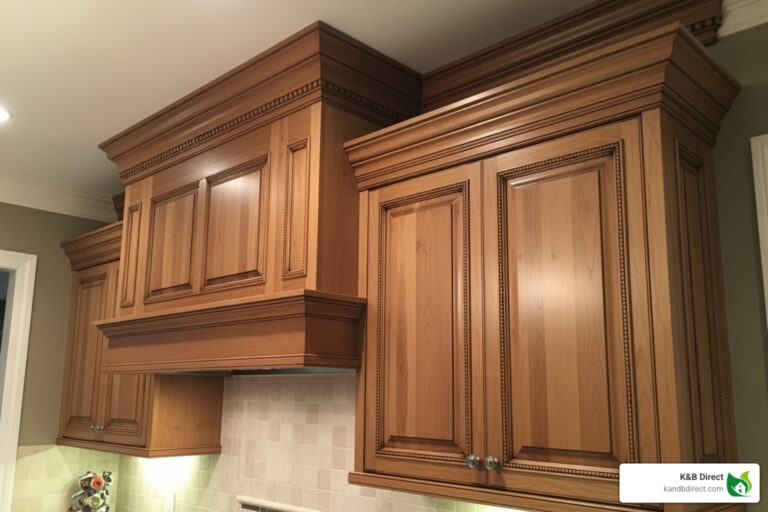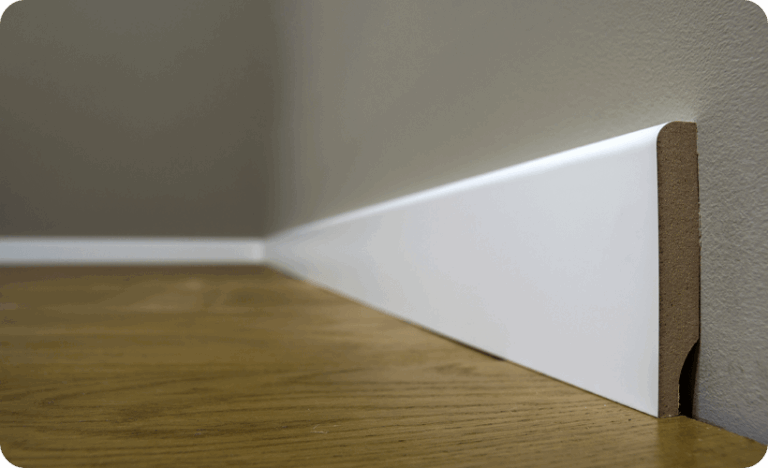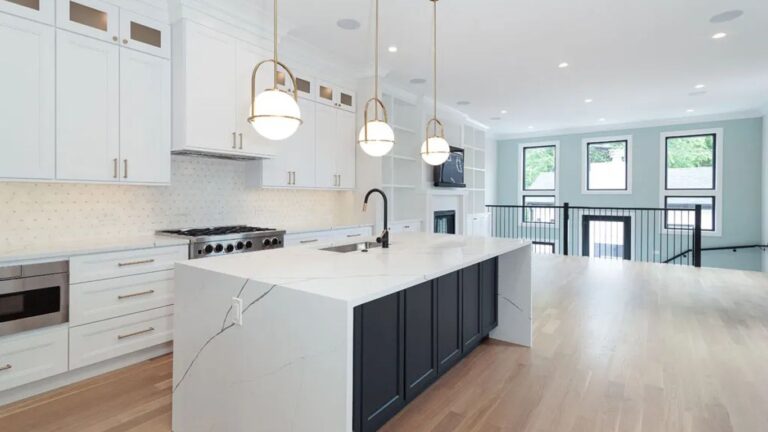
Why Base Trim on Stairs Transforms Your Staircase
Base trim on stairs is the finishing touch that turns a simple staircase into a polished architectural feature. Here’s what you need to know:
Key Components:
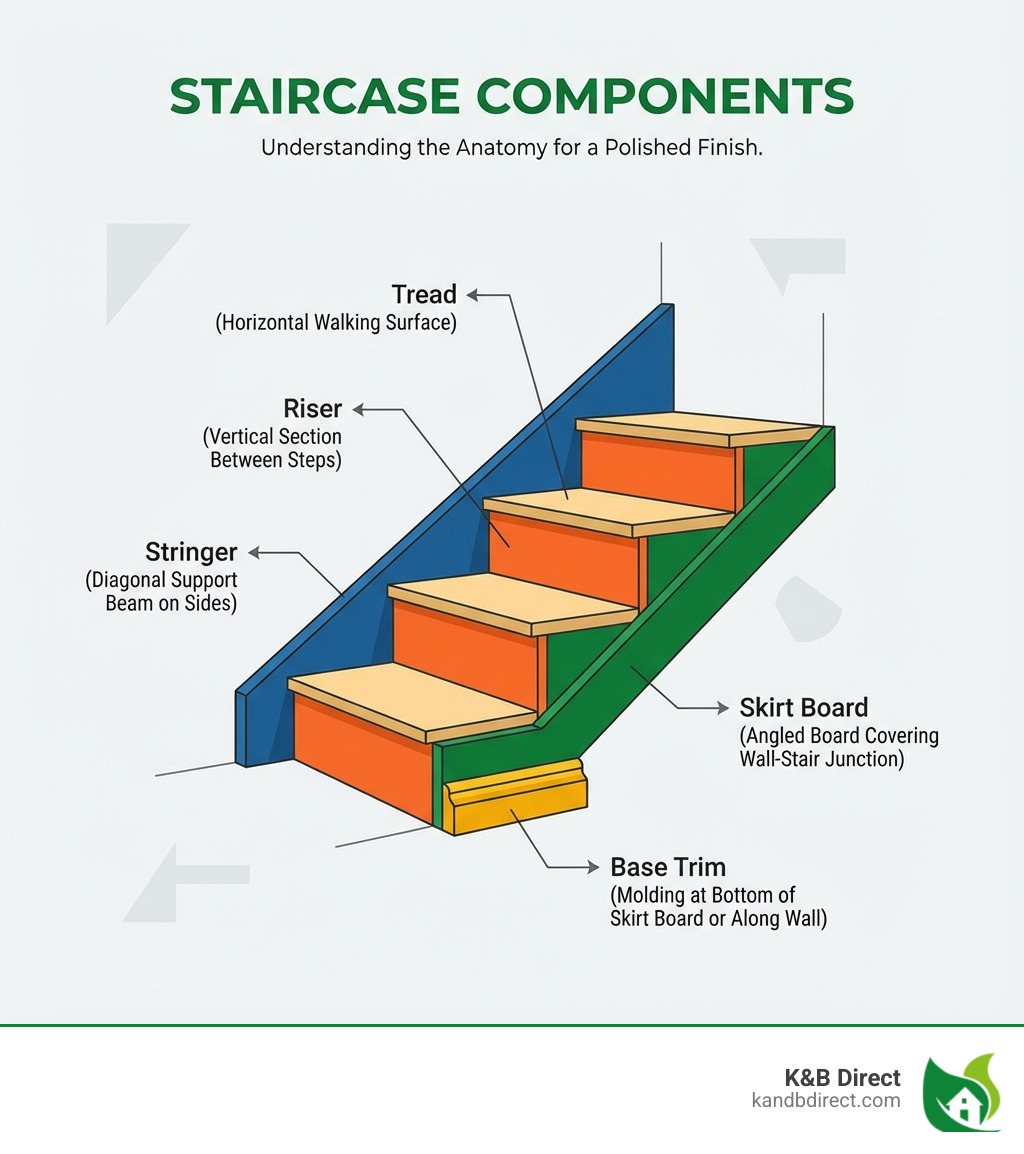
- Skirt Board – The angled board running along the wall following the stairs
- Base Trim – Molding applied at the bottom of the skirt board or directly to each step
- Base Cap – Optional decorative top piece that adds dimension
- Quarter-Round/Base Shoe – Small trim that covers gaps at the floor
Primary Benefits:
- Covers gaps between wall and stairs
- Protects drywall from scuffs and damage
- Creates a cohesive design flow throughout your home
- Adds visual polish and architectural interest
Your staircase often serves as a focal point the moment someone enters your home. Without proper trim, visible gaps between the wall and staircase create an unfinished appearance. Base trim bridges this visual disconnect while protecting vulnerable wall edges from foot traffic, furniture bumps, and vacuum cleaner collisions.
The research shows that even small details like trim molding can subtly change the look and feel of an entire space. Whether you’re matching existing baseboards from your hallway or creating a custom look, the right trim installation lifts your staircase from purely functional to genuinely beautiful.
I’m Eryk Piatkowski, owner of K&B Direct, and over the past decade I’ve helped countless homeowners select and understand quality trim solutions, including the nuances of installing base trim on stairs for a professional finish. This guide walks you through everything you need to achieve results you’ll be proud of.
Understanding the Essentials of Stair Trim
When we talk about base trim on stairs, it’s important to differentiate between a stair skirt board and traditional baseboard. While both contribute to a finished look, their primary functions and placement differ. The right trim selection and installation not only improve the aesthetic appeal of your staircase but also provide crucial protection against daily wear and tear.
Trim work, including baseboards and other mouldings, plays a significant role in creating a cohesive design throughout your home. Imagine a beautiful staircase that seamlessly transitions into the hallways and rooms it connects – that’s the power of well-chosen and expertly installed trim. We at K&B Direct believe in empowering you to achieve these stunning results.
We offer a wide range of Baseboard Trim and various Types of Moulding to help you find the perfect match for your home’s unique style.
The Role of a Skirt Board
A skirt board, sometimes called a stringer board or kickboard, is an angled board that runs along the wall, following the pitch of your staircase. It’s often the first piece of trim installed on a staircase and serves as a foundational element for other decorative mouldings.
The primary function of a skirt board is to cover the joint where the treads and risers meet the wall. This not only creates a clean, finished appearance but also protects the drywall from scuffs, dents, and general wear that comes from foot traffic, especially in busy households. Without a skirt board, the junction between the steps and the wall would be exposed, leaving an unsightly gap and vulnerable drywall edges.
Beyond its protective function, a skirt board provides a clean, flat surface for installing additional base trim on stairs. It acts as a visual anchor, making the entire staircase look more substantial and thoughtfully designed. The presence of skirt boards along your steps can create stunning dimension, perfectly complementing the sharp angles of your staircase. We’ve seen how outlining skirt boards with trim can highlight this dimension even further, contributing to a high-end, luxurious look.
Baseboard vs. Other Stair Mouldings
While a skirt board is specific to stairs, traditional baseboard typically runs horizontally along the bottom of walls in rooms and hallways. When we integrate base trim on stairs, we’re often talking about how the baseboard transitions to meet the skirt board or how decorative trim is applied directly to the risers and treads themselves.
Here are some key differences and how various mouldings work together:
- Baseboard: Primarily used horizontally along walls. It hides the gap between the wall and flooring, protecting the wall from damage. When it meets a staircase, a careful transition is required.
- Skirt Board: As discussed, this angled board follows the staircase, covering the wall-to-step junction.
- Base Shoe and Quarter-Round: These are smaller, thin strips of moulding often paired with baseboard or skirt board. Base shoe is specifically designed to cover gaps between the baseboard and an uneven floor, as its smaller size allows it to conform better to irregularities. Quarter-round serves a similar purpose, providing a decorative finish while hiding any slight gaps. These pieces are stained or painted to match your trim, adding a decorative touch while ensuring a seamless transition.
- Base Cap Moulding: This is a decorative moulding that can be applied to the top edge of a flat baseboard or skirt board to add more visual interest and depth. It can transform a simple trim into a more elaborate profile. Explore our options for Base Cap Moulding to see how this can lift your stair trim.
- Handrails and Balusters: While not typically considered “base trim,” handrails and balusters are crucial components of a staircase’s overall design and safety. Handrails, which should be 34″ to 38″ above the stairs, provide support, while balusters (with spacing not exceeding 4″) prevent falls. They contribute significantly to the architectural style and can be coordinated with your base trim on stairs for a harmonious look.
All these elements, from the skirt board to the decorative base cap and the functional handrails, work in concert to create a staircase that is both safe and visually appealing.
Selecting the Right Materials and Styles
Choosing the right materials and styles for your base trim on stairs is a critical step in achieving your desired aesthetic and ensuring durability. The decision should align with your home’s overall design, personal preference, and practical considerations like maintenance.
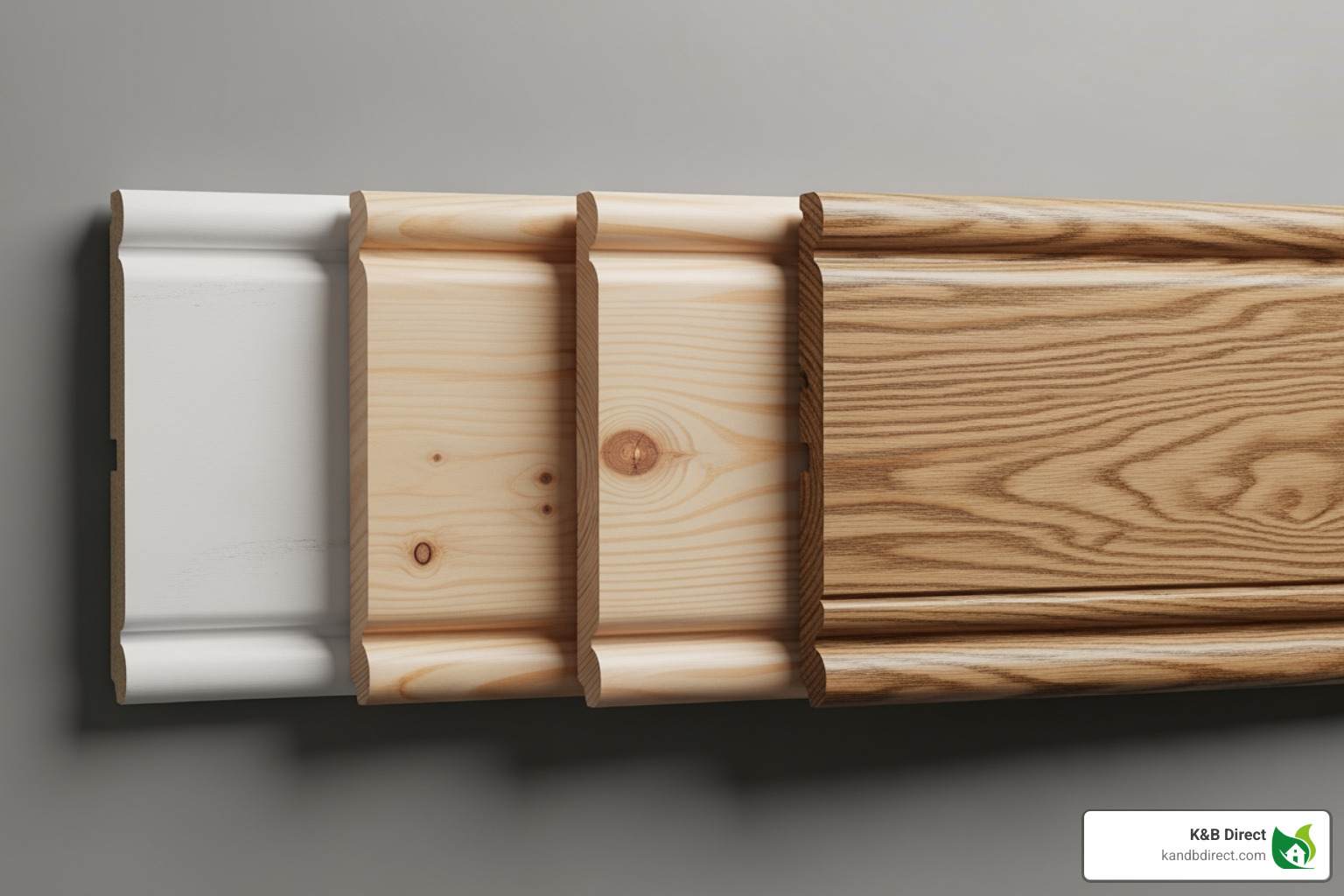
At K&B Direct, we understand that every home in the Chicago area, from Glen Ellyn to Arlington Heights, has its own unique character. That’s why we offer a diverse selection of Wood Moulding and Modern Base Moulding to suit various architectural styles and functional needs.
Common Materials and Their Properties
The material you choose for your base trim on stairs will impact its appearance, durability, and how it performs over time. Here’s a comparison of common options:
| Material | Durability | Paintability | Stainability | Moisture Resistance |
|---|---|---|---|---|
| Medium-Density Fiberboard (MDF) | Good for interior, prone to damage from impact | Excellent | Poor | Low |
| Finger-Jointed Pine (FJP) | Moderate, can dent or scratch | Excellent | Good | Moderate |
| Solid Hardwood (Oak, Poplar) | Excellent, highly durable | Good | Excellent | Good |
Let’s dig into the specifics:
Medium-Density Fiberboard (MDF): Composed of wood fibers, resin, and other materials, MDF is an excellent choice if you plan to paint your trim. It offers a smooth finish and is generally easy to cut. If you’re looking for a budget-friendly option and intend to paint, MDF can be a good selection. However, it’s less suitable for staining and can swell if exposed to excessive moisture, so it’s best for interior applications.
Pine: As an inexpensive softwood, pine offers a rustic charm when stained. If you’re not painting, pine can lend a warm, natural feel to a room. While it’s paintable, stained pine trim isn’t always the best choice for a highly formal look. It’s more prone to dents and scratches than hardwood but remains a popular choice for its accessibility and natural beauty.
Solid Hardwood (Oak, Poplar): For a high-quality, neat, and durable finish, hardwood is often the top choice. Oak, for instance, is a very popular hardwood trim species, known for its distinctive grain and robustness. Hardwood is ideal if you plan to stain your trim to match existing woodwork or flooring, providing a rich, lasting appearance. It stands up well to impact and wear, making it a wise investment for high-traffic areas like staircases.
PVC: Another material option, particularly for areas where moisture is a concern or for specific design needs, is PVC. We offer guidance on PVC Base Cap Moulding Guide, which highlights its benefits, such as resistance to rot and termites.
Choosing the Right Style of base trim on stairs
The style of your base trim on stairs should complement your home’s architectural style and the scale of your space.
- Flat/Shaker Style for Modern Homes: For contemporary or minimalist designs, flat base molding is a versatile option. Its clean lines align well with modern aesthetics. This style can also be layered with other mouldings to create a more elaborate look suitable for transitional or even some traditional styles.
- Sculpted Profiles for Traditional Homes: If your home has a more formal or traditional appearance, sculpted mid-height base molding can add personality and sophistication. These profiles typically range from four to five and a half inches in height and are perfect for houses with a slightly more classic design. For a truly vintage feel, explore our Vintage Base Cap Moulding Guide.
- Taller Baseboards for High Ceilings: In homes with high ceilings or large rooms, taller baseboard molding creates a sense of grandeur and scale. This trim can range from five and a half to seven inches or taller, making a significant visual impact. Taller trim also offers the practical benefit of protecting walls from scuff marks more effectively, especially in active homes. For most homes, the common baseboard trim height is between three and three and a half inches tall.
The goal is to ensure your chosen base trim on stairs integrates seamlessly with the rest of your home’s trim. We recommend reviewing our comprehensive Baseboard Moulding Guide to help you make an informed decision.
A Step-by-Step Guide to Installing Base Trim on Stairs
Installing base trim on stairs can be a rewarding project that significantly upgrades your home’s interior. While it requires precision, the right tools and techniques will lead to a professional finish.
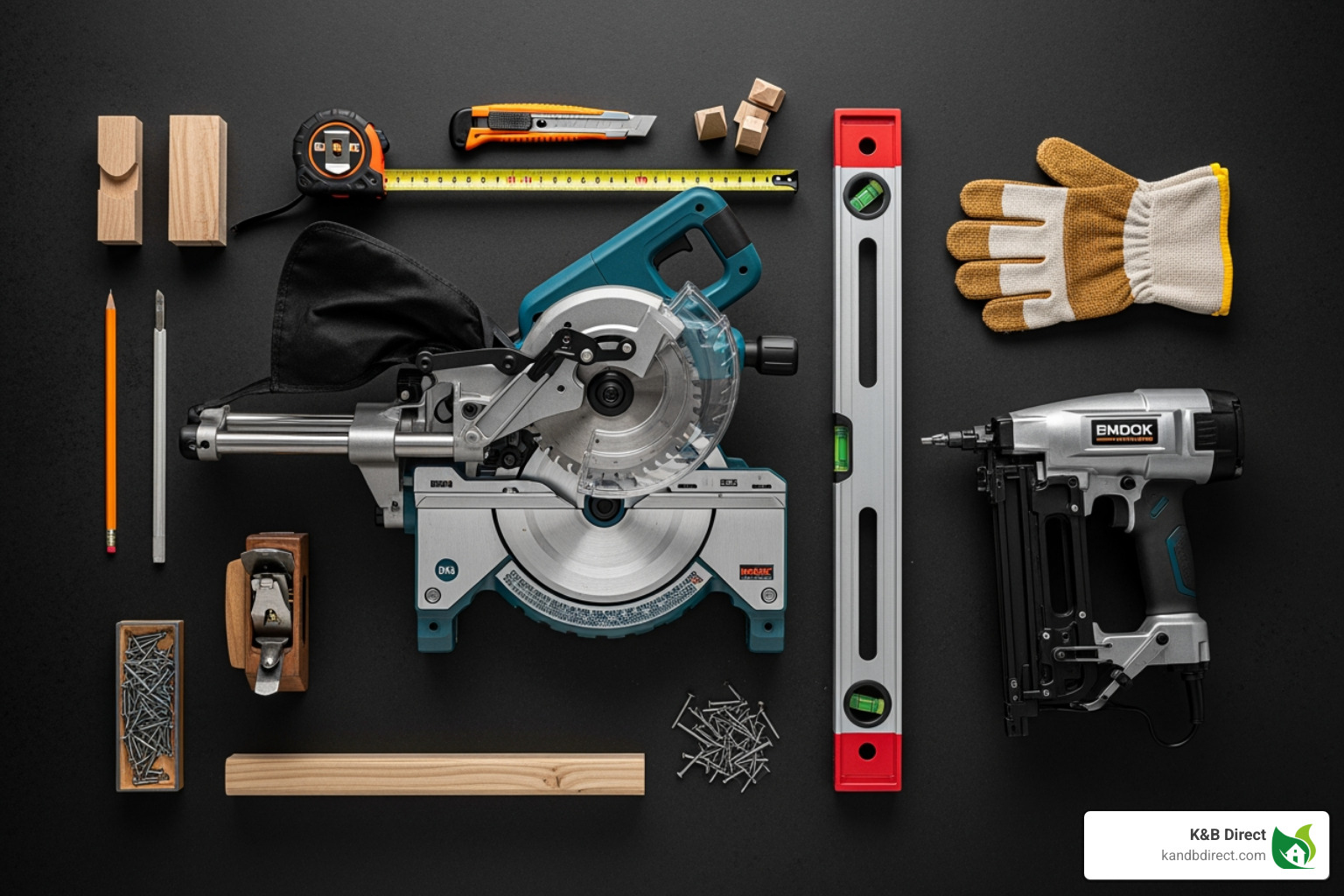
Before we begin, remember to prioritize safety. Always wear eye protection when using power tools, ensure your miter saw blades are sharp, and be mindful of your surroundings. The necessary tools include a miter saw, tape measure, angle finder, level, brad nailer, construction adhesive, and a caulk gun. Accurate measurements and precise cuts are key to a seamless installation. We’ve put together resources like How to Cut Baseboard to guide you through the process.
Step 1: Measuring and Marking
Accurate measurement is the foundation of a successful trim installation. This is especially true for stairs, where angles and varying dimensions demand careful attention.
- Measure the Stair Angles: Use an angle finder or a digital protractor to precisely determine the angle of your stair skirt board. If you’re installing trim directly on risers and treads, you’ll need to measure the angle where the riser meets the tread, which is typically 90 degrees, but also the angle at which the trim will meet the wall, which will follow the stair’s pitch.
- Determine Run and Rise: Understanding the run (tread depth) and rise (riser height) of your stairs is crucial for planning your cuts. The average riser height for stairs is between 7″ and 7.5″, and the average tread depth is between 9 ¾” and 10 ½”. Ideally, the sum of two risers and a tread should be between 24″ and 25″ for comfortable design. “Rise” is the vertical distance from one finished floor to the next, while “run” is the horizontal travel of a stair. For a deeper understanding of stair terminology, refer to this Indoor Staircase Terminology and Standards guide.
- Mark Cut Lines on the Trim: Once you have your angles and lengths, transfer these measurements onto your trim pieces. Always double-check your measurements before making any cuts. Use a pencil to clearly mark the cut lines, indicating the angle and direction. When measuring for vertical pieces that follow the rise, ensure you account for the thickness of the horizontal pieces that will sit on the treads.
Step 2: Cutting the Trim Pieces
This is where your miter saw becomes your best friend. Precision in cutting angles will make all the difference in the final appearance of your base trim on stairs.
- Setting Up a Miter Saw: For angled cuts that follow the pitch of the stairs, you’ll set your miter saw to the precise angle you measured with your angle finder. For pieces that meet at corners or where a baseboard transitions, you’ll typically use 45-degree miter cuts.
- Making Precise Angled Cuts for Risers and Treads: Each section of base trim that runs along a riser or tread will need angled cuts at both ends to meet the adjacent pieces seamlessly. For instance, where a vertical piece meets a horizontal piece, you might use opposing 45-degree cuts to form a perfect corner. For the angled pieces that follow the skirt board, the top and bottom edges will have different angles to sit flush against the wall and the steps. This can sometimes involve compound miter cuts, where both the miter and bevel settings on your saw are adjusted. Our guide on How to Cut Baseboard Corners provides more detail on achieving clean joints.
- Using a Router Bit for Custom Profiles: If you’re creating custom profiles or need to match existing intricate trim, a Base Cap Molding Router Bit can be an invaluable tool. This allows you to shape edges and create unique details that might not be available in stock mouldings.
It’s always better to cut a piece slightly long and trim it down than to cut it too short. Test fit each piece before final fastening.
Step 3: Installation and Fastening
With your pieces precisely cut, it’s time to bring your base trim on stairs to life.
- Applying Construction Adhesive: Apply a continuous bead of construction adhesive to the back of each trim piece. This provides a strong, long-lasting bond that prevents the trim from shifting or gapping over time. For stair risers, using construction adhesive can also help avoid patching and sanding numerous nail holes.
- Using a Brad Nailer: Once the trim piece is in place, use a brad nailer to secure it. Aim nails into the wall studs where possible for maximum hold. For skirt boards, ensure nails penetrate the framing behind the drywall. Space nails approximately every 12-16 inches along the length of the trim.
- Ensuring a Snug Fit Against the Staircase: Press each piece firmly into place, ensuring a snug fit against the wall and the steps. Use a level to check that horizontal pieces are perfectly straight and vertical pieces are plumb. Any minor gaps can be addressed in the finishing touches. For angled pieces, ensure they sit flush against the wall and the skirt board.
By following these steps, you’ll lay the groundwork for a beautiful and durable base trim on stairs installation.
Mastering Tricky Transitions and Finishing Touches
The devil, as they say, is in the details, and this holds especially true for installing base trim on stairs. Mastering the transitions from the staircase to the surrounding walls, and applying the right finishing touches, will lift your work from good to truly exceptional.
One of the most common challenges is transitioning the angled skirt board of the staircase into the horizontal baseboard of an adjacent hallway. This can be particularly awkward when dealing with different trim thicknesses, such as a ¾-inch skirt board meeting a 5/8-inch baseboard. However, with careful planning and execution, a seamless result is entirely achievable. This is where resources like our Baseboard-to-Stair-Skirtboard Details become invaluable.
Common Challenges with base trim on stairs
Even experienced carpenters encounter specific problems when installing base trim on stairs:
- Transitioning Between Different Trim Heights: When a thicker skirt board needs to meet a thinner baseboard, the transition can look abrupt. One solution involves adding a triangular block below the skirt board, allowing the base cap (if used) of both the baseboard and skirt board to terminate independently. Another approach is to use a two-piece baseboard that matches the skirt board’s thickness, making the transition less noticeable, especially if it occurs in a less visible inside corner.
- Scribing to Uneven Walls: Walls are rarely perfectly straight or plumb. Scribing involves carefully shaping the back of the trim piece to match the contours of an uneven wall, ensuring a tight fit without large gaps. This requires patience and a keen eye.
- Working Around Bullnose Corners: Rounded wall corners, often found in modern homes, can be notoriously difficult to trim neatly. For these, shaping the trim from a thicker piece of material (e.g., 5/4 x 5/4 stock) or using specialized techniques for cap moulding, such as fitting with a plastic spackle knife and then cutting, might be necessary. Using plaster for detailed crown mouldings on rounded corners is also an option. For other specialized trim needs, like for columns, our Column Base Trim resources can be helpful.
The Impact of Color and Lighting
The final appearance of your base trim on stairs is heavily influenced by color and lighting choices. These elements can either highlight the trim as a feature or allow it to blend seamlessly into the background.
- Using Color to Create Contrast or Cohesion: Painting your trim a contrasting color to your walls can draw attention to the architectural lines of your staircase, especially in larger spaces. However, in smaller areas, contrasting trim might make the space feel more cramped. Conversely, painting the trim the same color as the walls creates a cohesive, flowing look that makes a room feel larger and more open. White remains the most popular color for painted trim, offering a classic and clean aesthetic. For a truly unified look, always match new base trim on stairs to existing window and door casings and any crown moulding in your home. This prevents a “patched-together” appearance and ensures a harmonious design.
- How Lighting Highlights Trim Profiles: Lighting plays a crucial role in how trim is perceived. Natural light can improve the warm atmosphere created by wood accents, while artificial lighting can highlight the intricate profiles of your mouldings. Strategically placed lighting can emphasize the clean lines and craftsmanship of your stair trim, turning it into a focal point. Conversely, poor lighting can obscure details and make even the best trim work look dull.
- Paint Sheen Considerations: The sheen of your paint (e.g., flat, eggshell, satin, semi-gloss, high-gloss) also impacts light reflection and durability. High-gloss paint, for example, is very reflective and durable, making it an excellent choice for white trim on stairs where dirt and scuffs are common. It’s also easier to clean. We’ve seen changes, such as the Beautiful Budget Stair Remodel; From Carpet to Wood Treads, where thoughtful paint choices played a huge role.
By paying close attention to these details, you can ensure your base trim on stairs not only functions perfectly but also contributes significantly to the overall beauty and character of your home.
Frequently Asked Questions about Stair Base Trim
What is the difference between a stair skirt and a baseboard on stairs?
A stair skirt is a long, continuous board that follows the angle of the stairs, covering the joint between the treads/risers and the wall. Base trim on stairs can refer to a standard baseboard that is cut and fit to each step and riser, or the trim applied to the skirt board itself. The skirt board is primarily functional and protective, while the baseboard (or base trim applied to it) is more decorative.
Can I use the same baseboard profile on my stairs as in the rest of my house?
Yes, using the same profile creates a cohesive and continuous design flow. The installation technique will be different, requiring precise angled cuts to follow the steps, but the visual result is a harmonious transition between floors. Matching your trim throughout your home, including your staircase, creates a polished and intentional aesthetic.
What is the ideal height for base trim on a staircase?
The ideal height often matches the baseboard in the adjoining hallways or rooms, typically ranging from 3 to 7 inches. The choice depends on your home’s ceiling height and architectural style; taller trim suits grander spaces, while shorter profiles fit modern or modest homes. The most common baseboard trim height is between three and three and a half inches tall, while sculpted mid-height base molding typically ranges from about four to five and a half inches in height. Taller baseboard molding can range from about five and a half to seven inches or taller.
Conclusion
Installing base trim on stairs is more than just a home improvement project; it’s an investment in the beauty and longevity of your living space. From providing essential protection against daily wear to delivering that final touch of architectural polish, properly installed trim transforms a functional element into a stunning focal point.
We’ve explored the different types of trim, the best materials for durability and aesthetic appeal, and a step-by-step guide to help you achieve a professional-grade finish. The key to success lies in meticulous measurement, precise cutting, and careful attention to detail, especially when tackling tricky transitions.
At K&B Direct, we are dedicated to helping homeowners in the Chicago area, including communities like Mount Prospect, Schaumburg, and Glenview, realize their dream home aesthetics. We offer a superior selection of high-quality mouldings at unbeatable prices, backed by friendly service.
Lift your home’s design with the right finishing touches. We invite you to Explore our complete collection of Mouldings and Millwork and find the perfect base trim on stairs to complete your vision.