Understanding Baseboard Cap Profiles: An Essential Guide
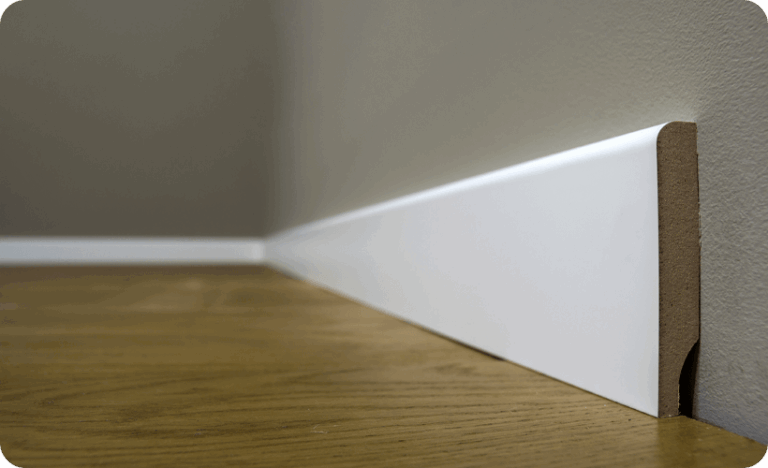
Baseboard cap profiles are specialized decorative mouldings designed to improve the top edge of a baseboard.
- What it is: A decorative wood profile applied to the top of a baseboard.
- Its Purpose: To create an attractive, neat, and more finished look, changing standard baseboards into a sophisticated architectural feature.
- Key Function: Often used to build up a larger, more complex baseboard design, adding visual interest and architectural character to a room.
Baseboards are a critical,, element in interior design. They provide a seamless transition between walls and floors. While standard baseboards serve a functional purpose, adding a base cap profile can lift their appearance from simple to stunning.
This guide will dive deep into baseboard cap profiles, exploring their materials, dimensions, and how they can be combined with other mouldings to achieve a truly custom look. We’ll also cover installation tips and factors affecting cost, helping you make informed decisions for your home renovation project.
As Eryk Piatkowski, owner of K&B Direct, I’ve spent over a decade helping homeowners and professionals create beautiful spaces. My expertise in quality products, including a deep understanding of baseboard cap profiles, ensures your home renovation perfectly matches your vision and budget.
The Purpose and Power of Base Cap Moulding
Picture walking into a room where every detail whispers “elegance.” That’s the magic of baseboard cap profiles. These aren’t just decorative strips – they’re the secret ingredient that transforms ordinary baseboards into architectural statements.
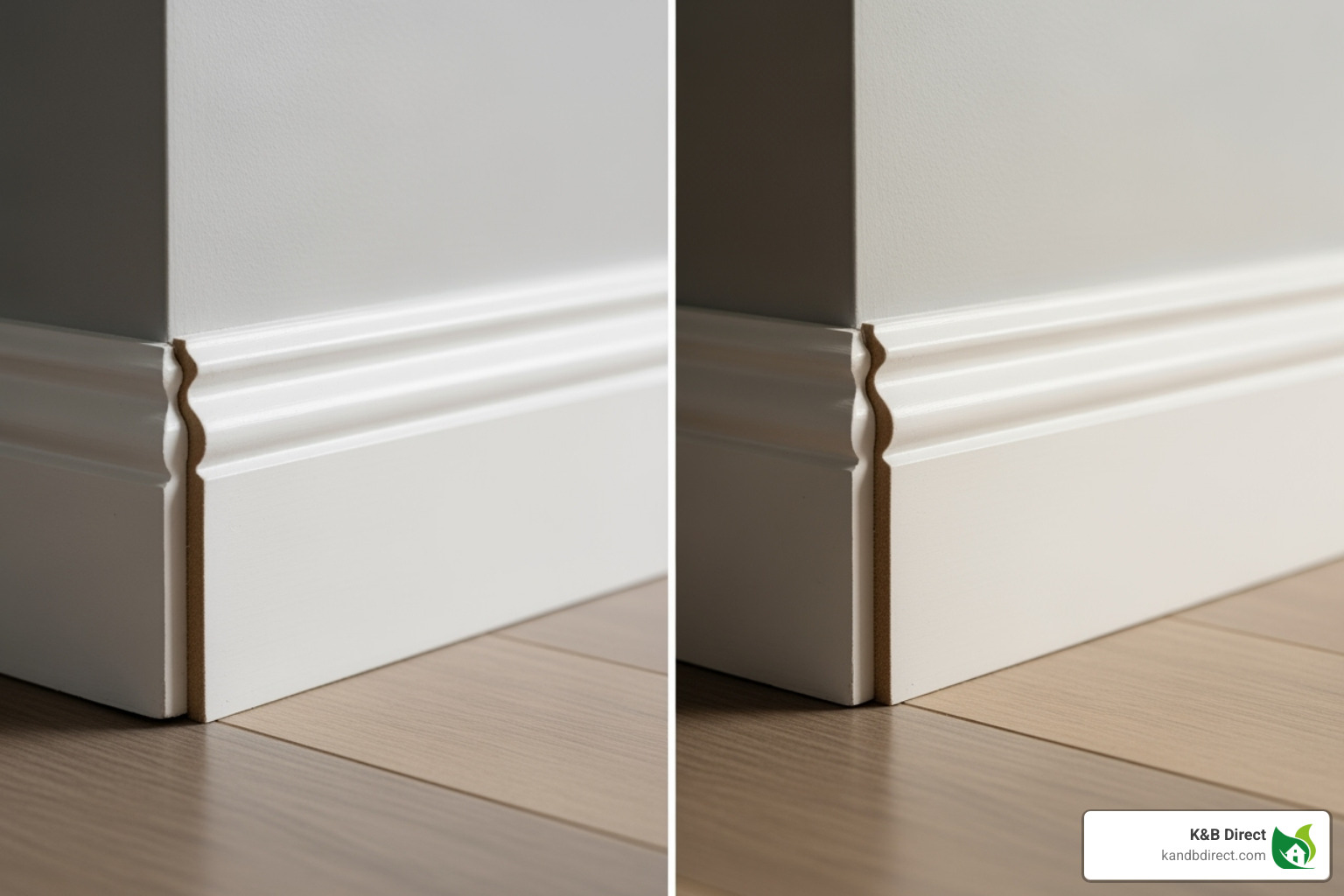
When you add a base cap to your baseboard, something wonderful happens. The simple junction between wall and floor becomes a graceful transition that catches the eye in all the right ways. It’s like adding the perfect accessory to an outfit – suddenly everything looks more intentional, more polished, more you.
Enhancing Visual Interest
The beauty of baseboard cap profiles lies in their ability to add depth and complexity where there was once just a flat board. Think of your baseboard as a canvas – the base cap is the brushstroke that brings it to life.
This simple addition creates a neat, high-end appearance that makes visitors wonder if you hired a professional designer. The cap softens those harsh lines where your baseboard meets the wall, creating visual interest that draws the eye upward. It adds visual weight to your Baseboard Trim, making the entire wall treatment feel more substantial and carefully considered.
The result? Your room instantly feels more finished, more expensive, more like the spaces you see in design magazines. And the best part? It’s one of the most affordable upgrades you can make.
Achieving a Cohesive Design
Here’s where baseboard cap profiles really shine – they’re the thread that weaves your entire room together. When you choose caps that complement your Door Casing, magic happens. Suddenly, your trim isn’t just functional – it’s a unified design package that tells a cohesive story.
Whether you’re going for crisp modern lines or ornate traditional details, the right base cap helps you replicate authentic architectural styles with confidence. It can even play beautifully with your Crown Moulding, creating a visual conversation between ceiling and floor that makes your room feel thoughtfully designed from top to bottom.
The beauty is in the details – and base caps are the detail that makes everything else look intentional.
Exploring Different Baseboard Cap Profiles and Materials
The beauty of baseboard cap profiles lies in their incredible versatility. There’s a cap for virtually every design aesthetic and every budget. We pride ourselves on offering an expansive selection to meet diverse needs. In fact, we currently offer over three hundred and fifty base cap designs, giving you an unparalleled array of choices!
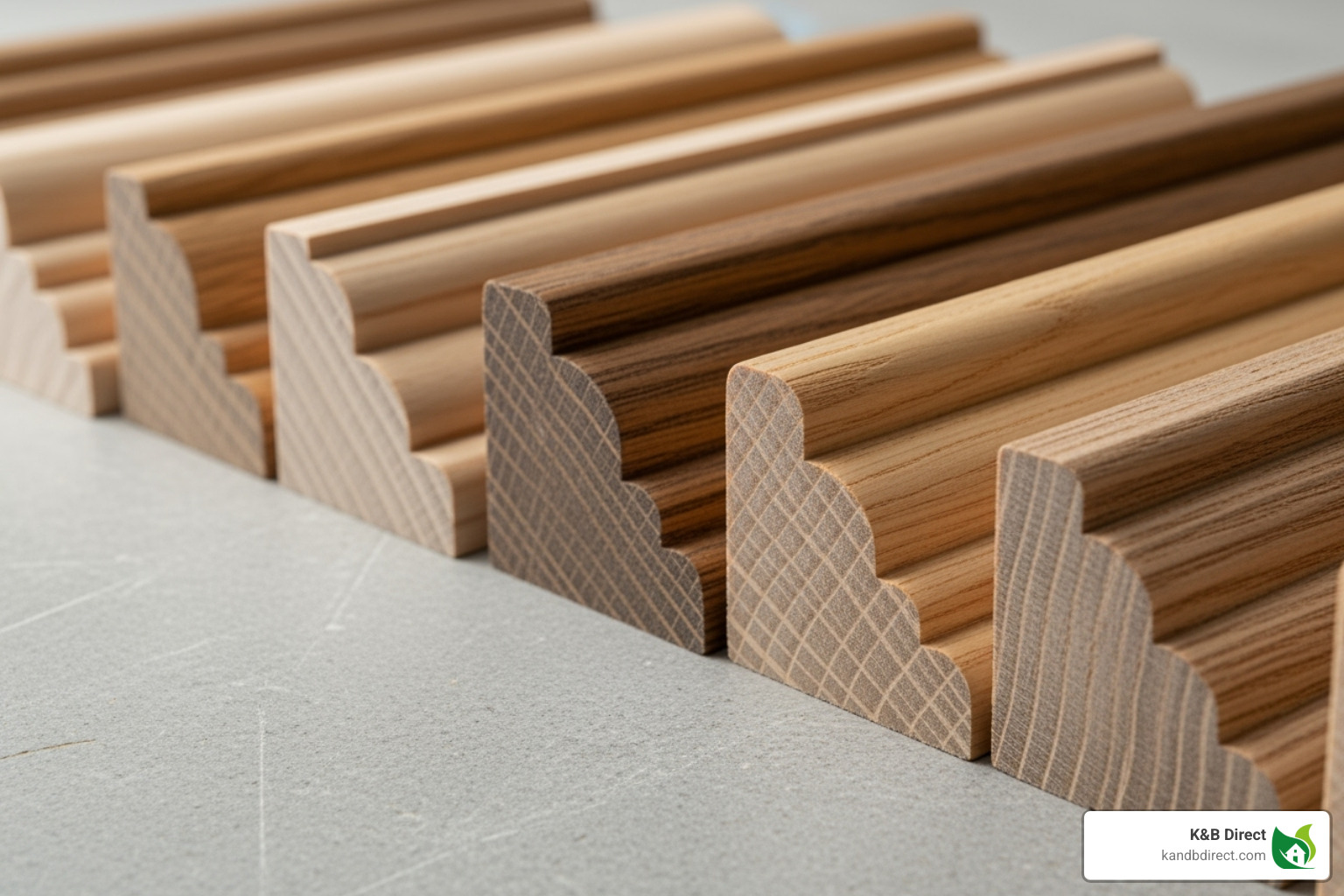
These profiles come in a vast variety of common dimensions and profile shapes, from subtle coves that gently round off the top edge to more intricate ogee or colonial designs that add a touch of classic elegance. Each profile has its own personality, contributing uniquely to the overall feel of a room. Whether you’re looking for something understated or a profile that makes a grand statement, our selection of Wood Moulding and other materials ensures you’ll find the perfect match.
Common Materials for Base Caps
Choosing the right material for your base cap is as important as selecting the profile itself. Different materials offer varying benefits in terms of durability, cost, and finish. We work with a range of popular options to ensure quality and suitability for diverse applications.
| Material | Durability | Cost | Finish Options | Moisture Resistance |
|---|---|---|---|---|
| Solid Wood (Pine, Poplar, Oak, Maple, Cherry, Walnut) | High | Medium to High | Stainable, Paintable, Natural Grain | Low (requires sealing) |
| MDF (Medium-Density Fiberboard) | Medium | Low | Paintable (smooth finish) | Low (swells if exposed to moisture) |
| PVC (Polyvinyl Chloride) | Very High | Medium | Paintable, White/Standard Colors | Very High (ideal for bathrooms) |
| Flexible Polyurethane | High | High | Paintable | High |
- Solid Wood: Options like Pine, Poplar, and Oak are timeless choices. Poplar is excellent for painting due to its smooth grain, while Oak offers a beautiful natural finish when stained. Wood provides a classic, authentic feel and can be very durable with proper care.
- MDF (Medium-Density Fiberboard): A cost-effective and popular option, especially for painted trim. MDF is stable and offers a very smooth surface for painting, making it easy to achieve a flawless finish. However, it’s crucial to be aware that MDF can swell if exposed to excessive moisture, so it’s generally best for dry interior spaces.
- PVC (Polyvinyl Chloride): For areas prone to moisture, such as bathrooms, basements, or even kitchens, PVC Floor Molding and base caps are an excellent choice. PVC is inherently resistant to rot, mold, and termites, offering superior durability in damp environments. For more insights into moisture and your home, you might find information on Understanding Moisture & Mold In Your Home useful.
- Flexible Polyurethane: This material is a game-changer for curved walls or unique architectural features. It can be bent to fit a radius, offering incredible design flexibility where traditional rigid materials wouldn’t work. Like PVC, it’s moisture-resistant and paintable.
Understanding Common Baseboard Cap Profiles
When we talk about baseboard cap profiles, we’re referring to the specific shapes and contours milled into the material. These profiles dictate the aesthetic impact. While there are countless variations, they all fall within certain dimensional ranges. For instance, common dimensions for base caps can range from 5/8″ x 3/4″ for a more delicate touch to larger profiles like 15/16″ x 2-3/8″ or even 1″ x 1-13/16″ for a more substantial presence. Other popular sizes include 11/16″ x 1-3/8″ or 3/4″ x 1-1/4″.
We offer a wide array of options, from simple, clean-lined profiles that lend themselves to modern aesthetics to more ornate, traditional designs. The choice between a simple or ornate profile often depends on the overall architectural style of the room and the desired level of detail. Our comprehensive catalog of Base Cap Moldings allows you to explore these variations and find the perfect match for your project.
Design and Selection: Choosing the Right Cap for Your Style
Picking the perfect baseboard cap profiles isn’t just about finding something that looks nice. It’s about finding the right piece that speaks your home’s language. Think of it as choosing the perfect accessory for an outfit – it needs to complement what’s already there while adding that special finishing touch.
Every home has its own personality, and the trim should reflect that character. Whether your space whispers modern minimalism or shouts traditional grandeur, there’s a base cap profile that will feel like it was always meant to be there.
Matching Architectural Styles
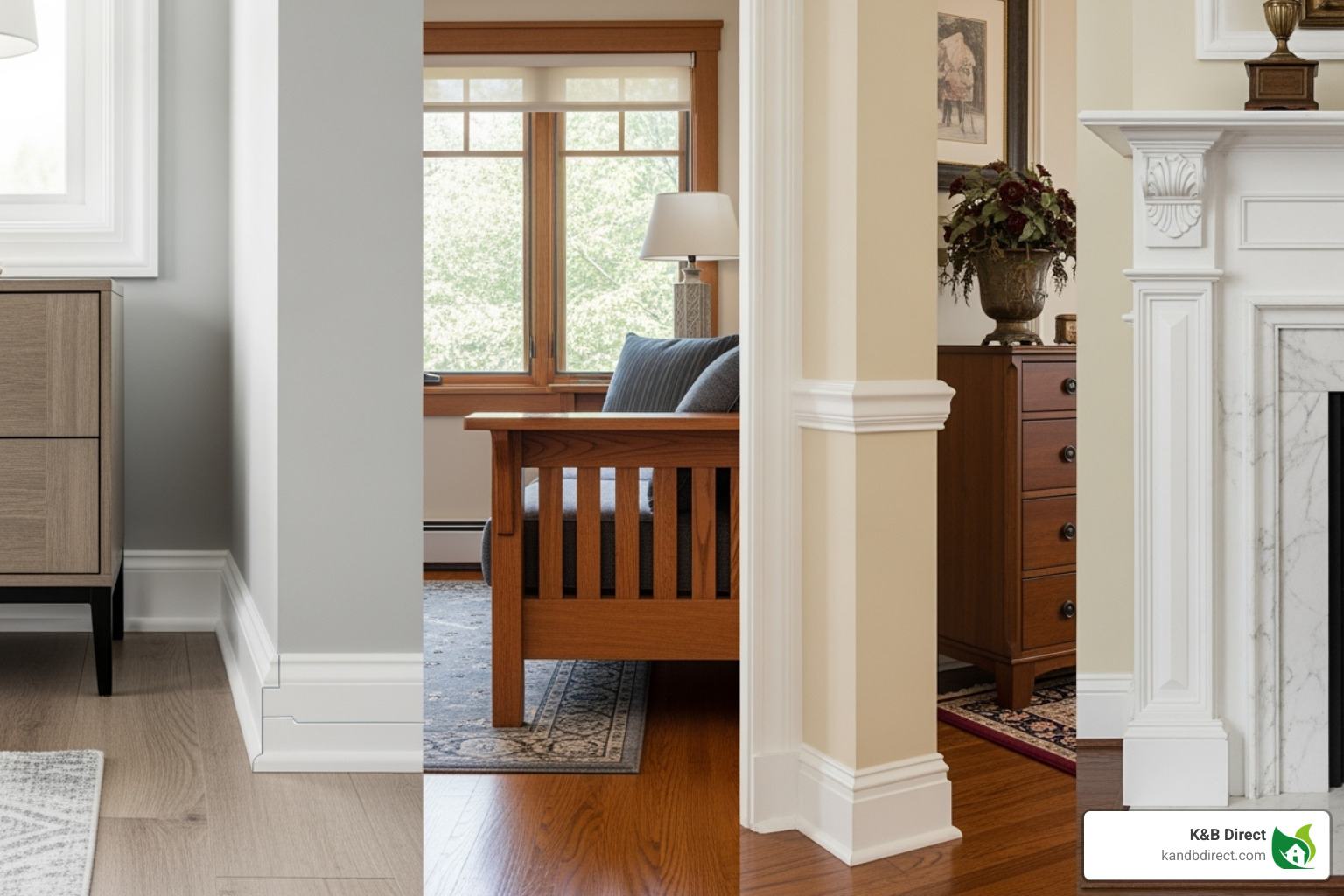
Your home’s architectural style is like its DNA – it influences every design decision, including your choice of baseboard cap profiles. Let’s explore how different styles call for different approaches.
Modern homes love clean lines and uncluttered looks. If your space features sleek surfaces and minimal decoration, choose simple base caps with gentle curves or straight edges. These profiles add sophistication without competing with the room’s streamlined aesthetic. Less really is more in modern design.
Traditional homes are where ornate profiles truly shine. These spaces welcome detailed base caps with classic elements like ogees, coves, and decorative beads. Colonial profiles are particularly popular here, bringing that timeless elegance that makes a house feel like it has stories to tell. The richness of these detailed profiles adds depth and historical charm.
Craftsman-style homes call for something in between – profiles that feel sturdy and handcrafted without being overly fussy. These base caps often feature geometric shapes with a slightly heavier appearance that matches the style’s emphasis on solid, well-built details.
Remember to consider your existing trim when making your selection. Your base caps should harmonize with your door casings, window trim, and other mouldings to create a unified look throughout your home.
Creating a Built-Up Baseboard
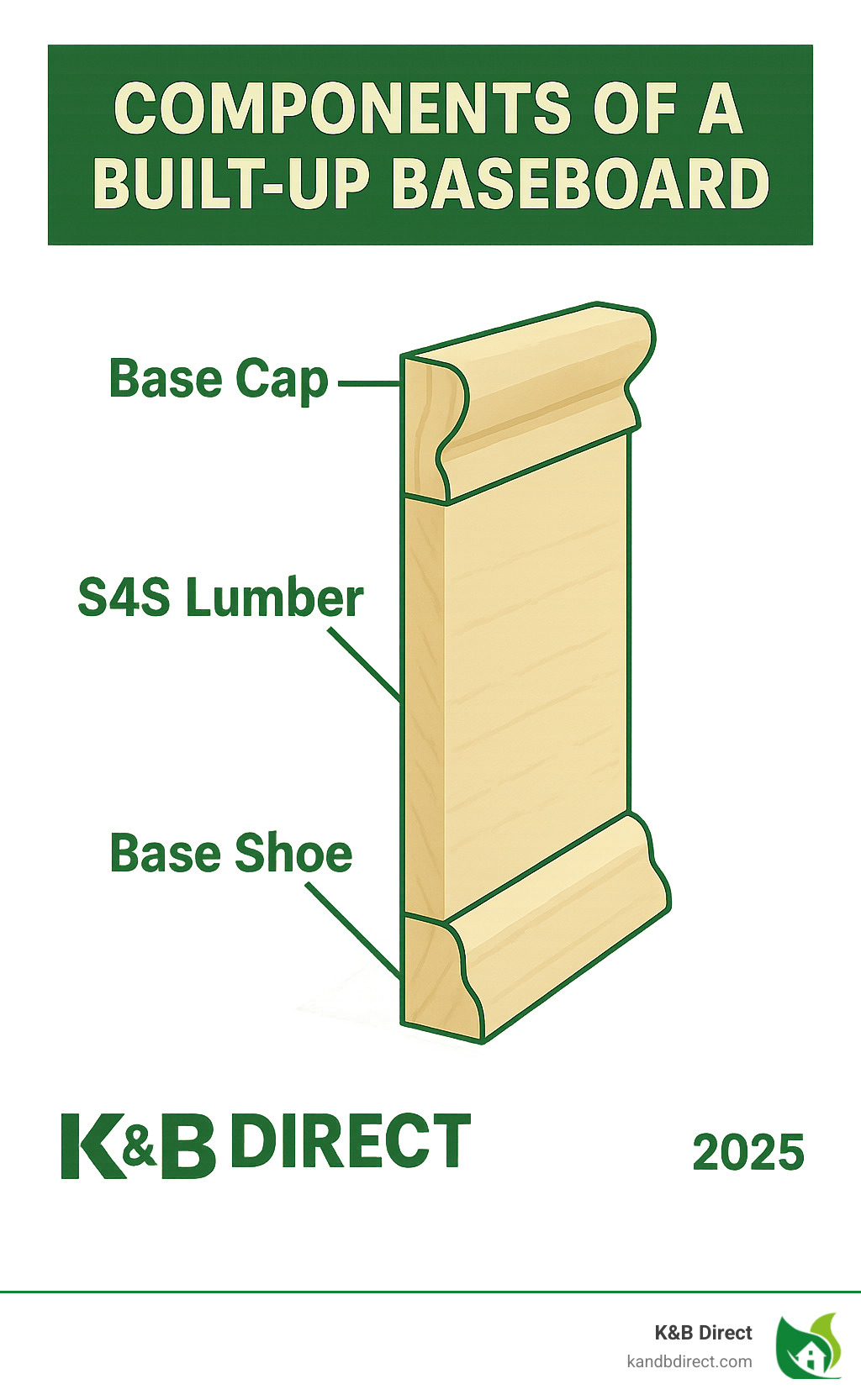
Here’s where things get really exciting. Creating a built-up baseboard is like building with blocks – you layer different pieces to create something much more impressive than any single piece could achieve alone.
The magic starts with a foundation of S4S lumber (that’s “surfaced four sides” – basically a smooth, plain board). This becomes your canvas. Then you add your chosen base cap to the top edge, instantly changing that plain board into something special.
But why stop there? You can stack your base cap with other profiles like Panel Cap Molding to create even more dramatic effects. Each layer adds visual weight and complexity, making your baseboards look like they belong in a custom-built home.
Don’t forget the finishing touch at the bottom. Adding a base shoe like our General Purpose Base Shoe 1/2 x 3/4 PFJP completes the look beautifully. This thin strip covers any gaps between your baseboard and the floor – especially helpful since floors are rarely perfectly level. As the experts at Bob Vila explain, shoe molding is flexible enough to follow floor irregularities while adding that final decorative flourish.
The best part? This layered approach is surprisingly budget-friendly. Since baseboard cap profiles are smaller pieces, they cost less than having complex profiles milled into full-sized lumber. You get a custom, high-end look without the premium price tag. It’s like getting designer style at off-the-rack prices.
Installation and Cost Factors for Baseboard Cap Profiles
Ready to bring your vision to life? Adding baseboard cap profiles is an incredibly rewarding way to upgrade your home, and here’s the good news: it’s a project many DIY enthusiasts can absolutely tackle! With the right tools and a little bit of know-how, you can achieve stunning results. Of course, if you prefer to leave it to the pros, professional installation is always a fantastic option. At K&B Direct, we’re all about empowering you, whether you’re a seasoned renovator or just starting your first home improvement adventure.

Installation Best Practices
Successfully installing your new base caps is all about a little precision and patience. Think of it as a satisfying puzzle! Here are our top tips to make the process smooth and enjoyable:
First, preparation is absolutely key. Make sure your existing baseboards are sparkling clean and free of any dust or debris. If you’re planning to paint your new caps, a quick prime beforehand can make a world of difference for a smooth, lasting finish.
Next comes the cutting, and here’s where that classic saying “measure twice, cut once!” really shines. Accurate measuring and cutting are crucial for those seamless corners. You’ll primarily be using miter cuts to create tight, professional-looking joints. Don’t worry, we’ve got you covered with detailed guides on How to Cut Baseboard and, specifically, How to Cut Baseboard Corners to help you get those angles just right.
Once your pieces are cut, it’s time for secure fastening. We recommend applying a thin, even bead of construction adhesive to the back of the base cap. This provides a strong bond. Then, use finishing nails – either by hand or with a handy nail gun – making sure they go through both the base cap and into the baseboard underneath. This ensures everything stays perfectly in place.
Finally, the finishing touches are what truly lift your work. Once the caps are installed, fill any nail holes with a good wood putty. Then, grab your caulk gun and carefully caulk any tiny gaps between the base cap and the wall, or where it meets the existing baseboard. This creates a beautifully smooth, seamless surface that looks professionally done and is ready for painting or staining. For a complete, step-by-step walkthrough, be sure to check out our detailed guide on How to Install Base Cap Moulding. You’ll be amazed at what you can achieve!
What Influences the Cost?
You’re probably wondering about the investment involved, and we’re happy to tell you that adding baseboard cap profiles is a remarkably cost-effective upgrade! At K&B Direct, our mission is to offer you top-quality products at unbeatable, lowest possible prices, helping you create your dream home without breaking the bank.
So, what makes the price tag vary? A few factors come into play:
First up is the material type. As we’ve explored, solid wood options like oak or maple tend to be a bit more of an investment compared to MDF or PVC. However, sometimes the long-term durability, the rich aesthetic, or moisture resistance of a certain material can make it the perfect choice for your space.
Then there’s profile complexity. Think of it this way: a simple, clean-lined base cap is generally more economical than one with intricate swirls and detailed carvings. More ornate designs require more complex milling processes, which can nudge the price up a bit.
Size also plays a role. It makes sense, right? A larger base cap, both in its thickness and width, will naturally use more material, which means a slightly higher cost.
You’ll find that custom vs. stock profiles can also influence the price. We’re proud to offer an incredible selection of over three hundred and fifty base cap designs in our catalog! That means there’s a fantastic chance you’ll find the perfect match without needing something custom. However, if you’re looking to replicate a very specific historical profile or have a truly unique design in mind, we can create custom moulding knives just for you. This bespoke service offers unparalleled customization, but it will have a higher cost than our standard stock profiles simply because it requires creating a unique set of tools.
Finally, let’s talk about the incredible cost-effectiveness of stacked moulding. This is one of the smartest ways to get a high-end look for less! Because baseboard cap profiles are generally smaller and less expensive than a single, massive piece of pre-milled trim, combining them with a simple piece of S4S lumber (that’s surfaced four sides) allows you to create a grand, custom baseboard without the hefty price tag of lumber that has full, complex profiles milled into it. It’s a clever way to add that luxurious touch affordably!
Our goal at K&B Direct is always to help you achieve your home aesthetics dreams. We offer smart solutions that perfectly balance quality, stunning design, and incredible affordability across all our Accessories and mouldings.
Frequently Asked Questions about Base Cap Profiles
Over the years, we’ve helped thousands of homeowners transform their spaces with baseboard cap profiles. Along the way, we’ve noticed the same thoughtful questions coming up again and again. Let me share the answers to the most common ones – chances are, you’re wondering about these too!
Can I add a base cap to my existing baseboards?
This is hands down our most popular question, and I love answering it because the answer is such good news: absolutely yes! Adding a base cap to your existing baseboards is like giving your room an instant makeover without the hassle of a full renovation.
The beauty of this upgrade is its simplicity. As long as your current baseboards are in good shape and have a reasonably flat top surface, you’re ready to go. Think of it as adding a stylish hat to complete an outfit – the base cap sits right on top of what you already have, instantly adding that polished, high-end look.
Just make sure your existing baseboards are clean and level before you start. A quick wipe-down and maybe some light sanding will ensure your new baseboard cap profiles adhere properly and look their best.
What’s the difference between a base cap and a panel cap?
While both are called “caps,” they’re actually designed for completely different jobs around your home.
A base cap is specifically made to crown your baseboards. It sits at the very bottom of your wall, right where the baseboard meets the wall surface. Think of it as the finishing touch that completes your floor-level trim work.
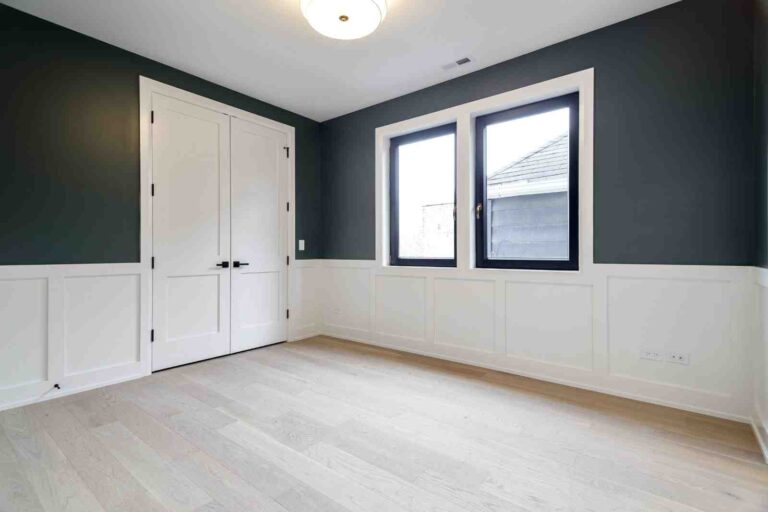
A Panel Cap Molding, on the other hand, is designed to finish off wainscoting or raised wall panels. It sits higher up on the wall – typically around chair rail height – and provides that polished edge where your decorative wall panels end.
Both serve the same basic purpose of adding a decorative finish, but they’re each designed for their specific location and architectural role. It’s like the difference between a shoe and a hat – both are accessories, but you wouldn’t wear them in the wrong place!
Is base cap moulding difficult to install for a DIYer?
I’d call installing baseboard cap profiles a “weekend warrior” project – definitely doable for most DIYers, but it does require a bit more skill than hanging a picture frame. It’s not as simple as nailing up flat trim, but it’s nowhere near as tricky as installing crown moulding either.
The main challenges you’ll face are getting accurate measurements (especially on those long walls) and making clean miter cuts at the corners. Those inside and outside corners need to fit together just right to look professional. That’s where our guides on How to Install Base Cap Moulding and How to Cut Baseboard Corners become your best friends.
You’ll need a few basic tools: a good miter saw, nail gun or hammer, caulk gun, and measuring tape. The secret ingredient? Patience. Take your time, measure twice, cut once, and don’t be afraid to make a test cut on a scrap piece first.
Most of our customers who tackle this project are thrilled with their results. And remember, we’re always here if you need advice along the way!
Find Your Perfect Profile and Transform Your Home
We hope this comprehensive guide to baseboard cap profiles has opened your eyes to the incredible change these simple mouldings can bring to your home. It’s amazing how such a small detail can make such a big difference! From adding that subtle touch of elegance with a simple cove profile to creating those impressive, built-up designs that look like they came from a custom millwork shop, base caps truly offer unparalleled design flexibility.
What makes baseboard cap profiles so special is their ability to deliver such dramatic impact while remaining surprisingly affordable. It’s one of those rare home improvements where a modest investment can significantly boost both the architectural character and perceived value of any room. Whether you’re working with a tight budget or planning a complete renovation, base caps offer that perfect sweet spot of style and value.
At K&B Direct, we genuinely love helping homeowners and professionals bring their vision to life. Our passion shows in everything we do – from curating our extensive collection of over 350 base cap designs to ensuring we offer top-quality products at unbeatable, lowest possible prices. We believe beautiful homes shouldn’t be a luxury reserved for the few, which is why we combine premium materials with friendly, expert service that makes the whole process enjoyable.
Whether you’re a weekend warrior ready to tackle your first DIY trim project or a seasoned contractor looking for reliable supplies, we’re here to support you every step of the way. Our team understands that every project is personal, and we’re committed to providing not just products, but the guidance and encouragement you need to succeed.
Don’t let your baseboards fade into the background as forgotten functional elements. Transform them from simple to stunning with the perfect cap that reflects your unique style. Ready to see what’s possible? Explore Our Wide Selection of Base Cap Moulding today and start imagining the beautiful change waiting for your living spaces. Your walls – and your guests – will thank you!